Mental health is no longer a topic confined to whispered conversations or occasional doctor visits. Across the United States, millions of people experience anxiety, depression, stress, and other mental health challenges every year, and the demand for accessible mental health care providers and support services has never been higher. Whether someone is looking for immediate crisis support, ongoing therapy, or simply a starting point to understand their options, knowing where to turn can make a real difference.
This article highlights some of the most trusted mental health support services in the USA, what they offer, who they are best suited for, and a few things to keep in mind before reaching out. These resources represent a mix of helplines, advocacy organizations, and government-backed programs designed to connect people with the right kind of care.
1. HelpSquad Healthcare
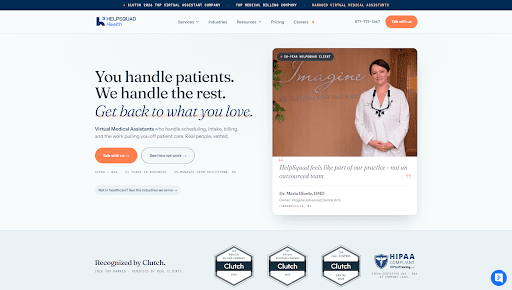
Among today’s leading Virtual Mental Health Care Providers and support solutions, HelpSquad stands out as a specialized healthcare outsourcing partner that helps behavioral health practices, therapists, psychiatrists, group practices, and telehealth organizations improve patient experiences while reducing administrative burdens. As a trusted provider of Behavioural Health Support and Mental Health Administrative Support, HelpSquad delivers HIPAA-compliant virtual medical assistants and dedicated support teams that streamline critical operational tasks such as patient intake, appointment scheduling, insurance verification, billing, telehealth coordination, and patient communication.
Designed specifically for mental health and behavioral health organizations, HelpSquad enables clinicians to focus more on patient care and less on administrative responsibilities. Their comprehensive Mental Health Practice Management solutions help healthcare providers increase efficiency, improve patient satisfaction, and support long-term practice growth. Through specialized Virtual Mental Health Services support, HelpSquad assists practices in managing day-to-day operations while enhancing access to quality care.
Key Strengths
- HIPAA-compliant virtual medical assistants trained in behavioural health workflows
- Expertise with leading mental health EHR platforms, including SimplePractice, TherapyNotes, Valant, Kipu, and TheraNest
- Comprehensive patient intake, scheduling, insurance verification, and billing support
- Telehealth coordination and patient engagement services
- Crisis escalation workflows and empathetic patient communication protocols
- Flexible staffing solutions tailored to the needs of modern mental health practices
- Dedicated support for reducing no-shows and improving patient retention
- Specialised Behavioural Health Virtual Assistants who understand mental health practice requirements
- Scalable Mental Health Support Services that help providers improve operational efficiency and patient outcomes
Best For
Behavioural health practices, therapists, psychiatrists, telehealth providers, and mental health organizations looking to improve operational efficiency, patient communication, and practice growth while maintaining compliance and patient privacy.
Potential Drawbacks
HelpSquad is primarily a support and practice management provider rather than a direct therapy or counseling service. Individuals seeking personal mental health treatment will still need to work with licensed mental health professionals for diagnosis and care.
2. 988 Suicide and Crisis Lifeline
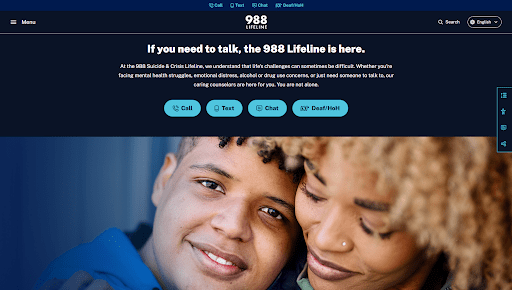
The 988 Suicide and Crisis Lifeline is a nationwide, three-digit number that connects callers to trained crisis counselors, available 24 hours a day, seven days a week. Launched as an easier-to-remember alternative to the previous ten-digit hotline, 988 has quickly become one of the most recognized mental health support services in the country.
Key Strengths:
- Available by call, text, or online chat
- Free and confidential support for anyone experiencing emotional distress
- Staffed by trained counselors who can de-escalate crises and connect callers to local resources
Best For
Individuals experiencing a mental health crisis, suicidal thoughts, or overwhelming emotional distress who need immediate, judgment-free support.
Potential Drawbacks
While 988 is excellent for crisis intervention, it is not designed for long-term therapy or ongoing treatment. Callers seeking sustained care will usually be referred elsewhere, which means it works best as a first step rather than a complete solution.
3. National Alliance on Mental Illness (NAMI)
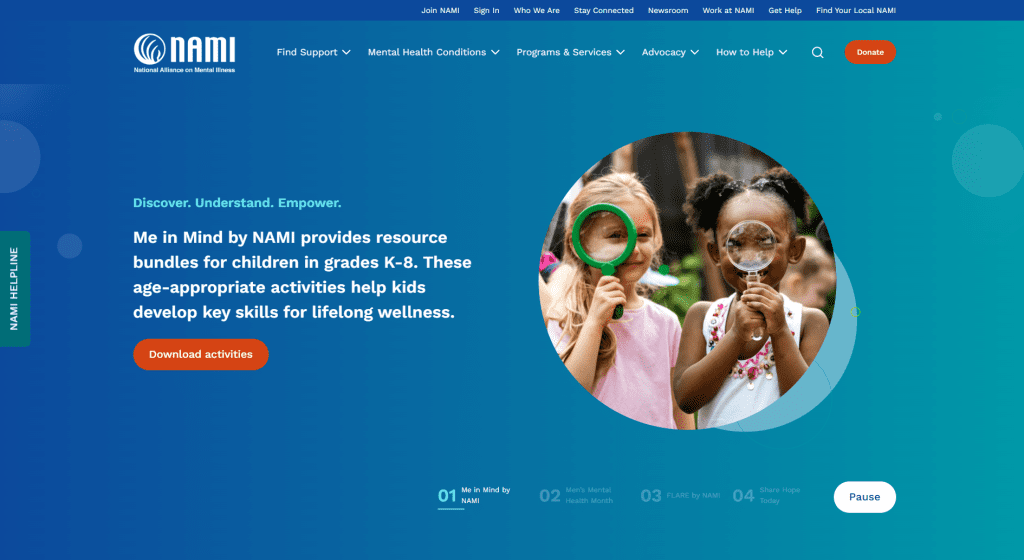
NAMI is one of the largest grassroots mental health organizations in the country, offering education, advocacy, and peer support to individuals and families affected by mental illness. Its HelpLine connects people with information, referrals, and emotional support, while its network of state and local affiliates runs support groups across the nation.
Key Strengths
- Extensive network of peer-led support groups
- HelpLine is staffed with trained volunteers who understand lived experience with mental illness
- Strong focus on education and reducing stigma around mental health conditions
Best For
People looking for community-based support, family members trying to understand a loved one’s diagnosis, or anyone wanting to connect with others who have similar experiences.
Potential Drawbacks
NAMI is not a clinical provider, so it does not offer direct therapy or medical treatment. Its strength lies in support, education, and connection rather than diagnosis or ongoing clinical care.
4. SAMHSA National Helpline and FindTreatment.gov
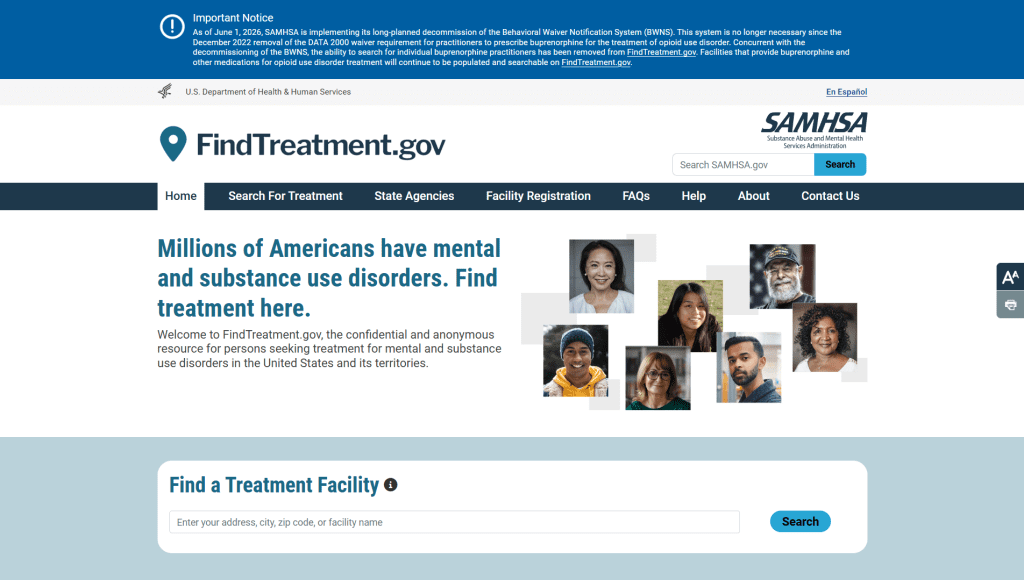
The Substance Abuse and Mental Health Services Administration (SAMHSA) operates a national helpline that provides free, confidential referrals for individuals and families facing mental health or substance use challenges. Alongside the helpline, SAMHSA’s FindTreatment.gov tool helps users locate licensed treatment facilities and providers near them.
Key Strengths:
- Government-backed, ensuring a level of reliability and oversight
- Helps locate licensed treatment centers, not just informal support
- Covers both mental health and substance use concerns, which often overlap
Best For
People who are ready to seek formal treatment and need help identifying licensed providers, clinics, or treatment facilities in their area.
Potential Drawbacks
The helpline itself does not provide therapy or counseling directly; it is primarily a referral and information service. Wait times for connecting with actual treatment providers can vary depending on location and availability.
5. Mental Health America (MHA)
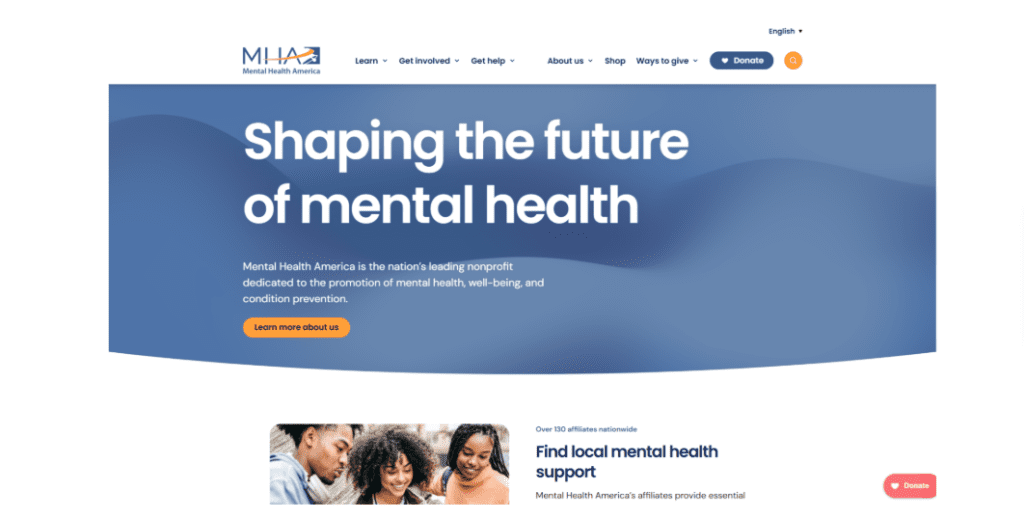
Mental Health America is a community-based nonprofit dedicated to addressing the needs of people living with mental illness through advocacy, education, and early intervention. MHA offers free online mental health screening tools and connects users to a wide range of resources based on their results.
Key Strengths:
- Free, anonymous online screening tools for conditions like depression and anxiety
- Large library of educational resources on mental health topics
- Strong focus on early intervention and prevention
Best For
Individuals who are unsure whether they need support and want a low-pressure way to start understanding their mental health, as well as anyone looking for educational resources.
Potential Drawbacks
Screening tools are not a substitute for a professional diagnosis. While MHA helps point people toward appropriate next steps, those seeking treatment will still need to connect with a licensed provider separately.
6. Crisis Text Line
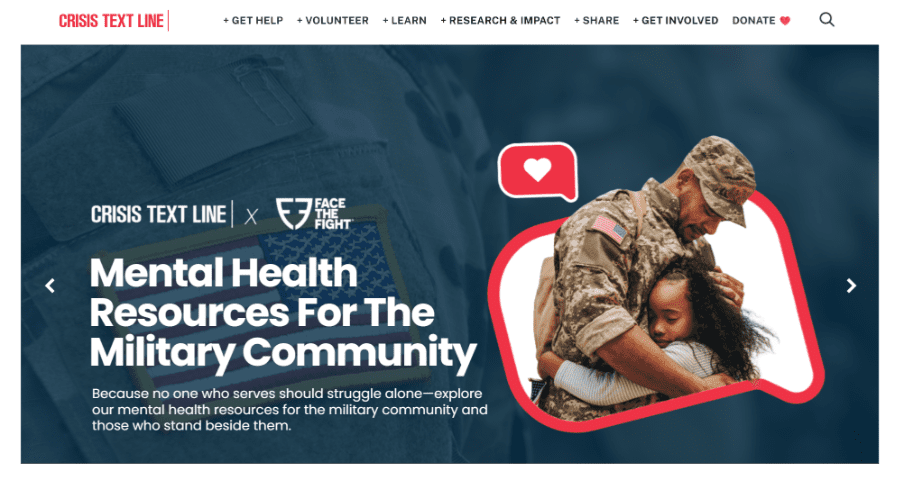
Crisis Text Line offers free, 24/7 mental health support over text message, making it especially accessible for people who feel more comfortable typing than talking on the phone. Trained volunteer crisis counselors respond to texts covering a wide range of concerns, from anxiety and depression to relationship issues and grief.
Key Strengths:
- Text-based format that feels less intimidating for many users
- Available around the clock, every day of the year
- Particularly popular among younger people and those who prefer written communication
Best For
People who are hesitant to talk on the phone, teens and young adults, or anyone who finds it easier to express difficult emotions through writing.
Potential Drawbacks
Text-based support can sometimes feel less personal than a phone call, and response times may vary slightly during periods of high demand. As with other helplines, it is best suited for support and triage rather than ongoing therapy.
Choosing the Right Mental Health Support Service
When it comes to mental health care providers and support services in the USA, there is no one-size-fits-all solution. Someone in immediate crisis may need 988 or Crisis Text Line, while someone exploring long-term care options might start with FindTreatment.gov or a NAMI support group. The most important step is simply reaching out, whether that means making a phone call, sending a text, or filling out an online screening tool.
Mental health care providers and support services exist precisely because no one should have to navigate these challenges alone. Taking the first step toward support, no matter how small, is often the most meaningful one.
Frequently Asked Question
1. What are the best mental health support services in the USA?
The best services include 988 Lifeline, NAMI, SAMHSA, Mental Health America, and Crisis Text Line.
2. How do I find a mental health care provider near me?
Use SAMHSA’s online locator or ask your primary care provider for a referral to a mental health professional.
3. Are mental health support services in the USA free?
Many helplines like 988 and Crisis Text Line are completely free and confidential for everyone.
4. What is the difference between a therapist and a mental health service provider?
Mental health service providers include psychiatrists, psychologists, licensed social workers, counselors, and advanced practice nurses.
5. Can I get mental health support without health insurance in the USA?
Yes — dialling 211 can connect you with free mental health crisis services and affordable treatment options in your area