Social Anxiety and Its Homoeopathic Therapeutic Remedy
Abstract
Social Anxiety Disorder (SAD), or Social Phobia, is a common and often debilitating mental-health condition characterized by an intense fear of social or performance situations. It significantly impairs academic, interpersonal, and occupational functioning. While conventional treatments such as psychotherapy and pharmacotherapy remain standard options, many individuals seek complementary systems like homeopathy for a more individualized and holistic approach. Homeopathy considers the emotional, physical, and constitutional aspects of the patient, offering remedies tailored to each unique presentation. This article explores the epidemiology, clinical features, etiological factors, and homeopathic therapeutic approach in the management of social anxiety.
Introduction
Social Anxiety Disorder (SAD), also known as social phobia, is one of the most common anxiety disorders. It is characterized by an intense and persistent fear of social situations in which a person may feel judged, embarrassed, or scrutinized. While conventional treatments such as cognitive-behavioral therapy (CBT) and selective serotonin reuptake inhibitors (SSRIs) have strong evidence supporting their use, many individuals also explore complementary approaches, including homeopathy, to help manage symptoms.
This article explores what SAD is, how homeopathy approaches it, commonly used remedies, and the role of homeopathy within a broader mental-health treatment plan.
Clinical Features
Psychological Symptoms
- Fear of scrutiny or negative evaluation
- Anticipatory anxiety days or weeks before an event
- Avoidance of social or performance situations
- Low self-esteem, self-consciousness
Physical Symptoms
- Trembling
- Blushing
- Sweating (especially palms)
- Palpitations
- Gastrointestinal discomfort
Behavioral Patterns
- Avoidance of eye contact
- Difficulty initiating conversations
- Overreliance on safety behaviors (phone, alcohol)
DSM-5 Diagnostic Criteria
1.Marked fear or anxiety in social situations
The person experiences significant fear in one or more social or performance situations where they may be observed, judged, or negatively evaluated by others.
Examples: meeting people, speaking in groups, performing, eating in public.
2. Fear of acting in a way that will be embarrassing
The anxiety is based on concerns about showing symptoms (e.g., blushing, trembling, sweating) or behaving in a way that will attract criticism, humiliation, or rejection.
3. Social situations almost always trigger fear
Exposure to the feared situation consistently produces anxiety—sometimes even panic attacks.
4. Avoidance or endurance with intense anxiety
The person either:
- Avoids the feared social situations, or
- Endures them with extreme discomfort.
5. Anxiety is out of proportion
The anxiety or avoidance is excessive compared to the actual threat posed by the situation and to cultural norms.
6. Duration: at least 6 months
Symptoms must persist for 6 months or longer.
7. Significant distress or functional impairment
The fear, anxiety, or avoidance causes problems in social, occupational, academic, or other important areas of life.
8. Not due to substances or medical conditions
Symptoms cannot be explained by the effects of medications, drugs, or another medical disorder.
9. Not better explained by another mental disorder
For example, it is not due to:
- Body Dysmorphic Disorder
- Autism Spectrum Disorder
- Panic Disorder
- Psychosis
Specifier: “Performance Only”
This subtype is used when the anxiety is limited to speaking or performing in public, such as stage fright, and is not present in everyday social interactions.
Epidemiology of Social Anxiety Disorder
Prevalence
- Lifetime prevalence: ~7–13%
- 12-month prevalence: ~4–7%
- One of the most common anxiety disorders, second only to specific phobias.
- Higher prevalence in females, though men are more likely to seek treatment for performance-related anxiety (e.g., public speaking).
Age of Onset
- Early adolescence is typical: 10–13 years.
- Rarely begins after age 25.
- Often preceded by shyness or behavioral inhibition in childhood.
Course of social anxiety
- Chronic, persistent if untreated.
- Worsened by:
- Lack of social support
- Comorbid depression
- Substance misuse (self-medication, especially alcohol)
Risk Factors
- Genetic/heritable: first-degree relatives have a 2–3× higher risk.
- Temperament: behavioral inhibition, neuroticism.
- Environmental factors:
- Overprotective or critical parenting
- Childhood teasing, bullying
- Negative social experiences
Comorbidities
- Major Depressive Disorder (MDD)
- Other anxiety disorders (panic disorder, GAD)
- Substance use disorders (especially alcohol)
- Avoidant personality disorder (high overlap)
Conventional Approaches to Treatment
Evidence-based treatments for SAD include:
Cognitive-Behavioral Therapy (CBT)
One of the most effective treatments. It helps individuals identify negative thought patterns and gradually face feared situations through structured exercises.
Medication
SSRIs, SNRIs, beta-blockers, and certain anti-anxiety medications may be prescribed, depending on individual needs.
Lifestyle Strategies
Mindfulness, regular physical activity, sleep hygiene, and structured exposure to feared situations can support recovery.
Homeopathy and Social Anxiety
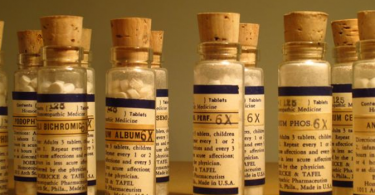
Homeopathy is a system of alternative medicine based on the principle of “like cures like”, using highly diluted substances to stimulate the body’s self-healing processes.
Homeopathic treatment for anxiety is individualized: remedies are selected based on the person’s emotional state, triggers, personality traits, and physical symptoms—not just the diagnosis.
Common Homeopathic Remedies Used for Social Anxiety
Argentum Nitricum
- Strong anticipatory anxiety
- Fear of crowds, public speaking, exams, appointments
- Impulsive, hurried nature
- Fear of losing control in public
- Diarrhea from anxiety, flatulence, trembling, dizziness
- Emotional, imaginative, easily convinced something will go wrong
Lycopodium Clavatum
- Anxiety before performance; improves after starting
- Fear of public speaking or interviewing
- Lack of self-confidence despite appearing capable
- Gas, bloating, right-sided complaints
- Bossy at home, timid with superiors; intellectual but insecure
Gelsemium Sempervirens
- Stage fright with trembling, weakness
- Feeling of paralysis or heaviness
- Anxiety from any upcoming event
- Shakiness, dry mouth, heaviness of eyelids
- Quiet, desire to be alone, avoidance of excitement
Silicea Terra
- Extreme shyness, blushes easily
- Fear of facing people or criticism
- Avoids eye contact
- Sweaty palms/feet, chilliness
- Sensitive, perfectionistic, lacks inner confidence
Pulsatilla Nigricans
- Easily influenced, emotional, sensitive to rejection
- Feels anxiety worse in closed spaces
- Prefers company, dislikes being alone
- Changeable symptoms, lightness
- Gentle, weepy, affectionate
Aconitum Napellus
- Sudden, intense panic in social situations
- Fear of death, restlessness during anxiety
- Palpitations, flushing, breathlessness
- Fear triggered by shock or sudden events
Natrum Muriaticum
- Reserved, introverted, shy
- Fear of exposure of emotions
- Avoids crowds, social gatherings
- Headache after mental stress
- Holds grudges, sensitive to criticism, prefers solitude
Phosphorus
- Friendly but overly sensitive to criticism
- Anxiety when alone and in crowds
- Easily startled, impressionable
- Palpitations, nosebleeds, thirst for cold drinks
- Open-hearted, affectionate, expressive
Kali Phosphoricum
- Nervous exhaustion due to chronic anxiety
- Difficulty concentrating, memory weakness
- Fatigue, insomnia, headaches
- Sensitive, irritable, overwhelmed by minor stress
Arsenicum Album
- Anxiety related to health, security, order
- Fear of being alone in public places
- Perfectionistic, restless
- Burning pains, restlessness, chilly
- Fastidious, control-oriented
Baryta Carbonica
- Extreme shyness, childish behavior
- Fear of strangers, public situations
- Difficulty expressing self
- Enlarged glands, slow development
- Dependent, insecure, lacks maturity
Calcarea Carbonica
- Overthinking, fear of being observed
- Anxiety worsens with responsibilities
- Sweating on head, obesity, cold dampness
- Hardworking but cautious, slow, overburdened
Sepia Officinalis
- Indifference mixed with social anxiety
- Aversion to company but fear of being judged
- Hormonal symptoms, heaviness, weakness
- Irritable, emotionally drained, responsibility-laden
Anacardium Orientale
- Fear of people, lack of confidence
- Feels insulted easily
- Internal conflict: “two wills”
- Gastric complaints, nausea
- Suspicious, sensitive to criticism, indecisive
Staphysagria
- Suppressed emotions after humiliation
- Anxiety of confrontation
- Trembling after anger suppression
- Dignified, refined, sensitive, avoids conflict
Conclusion
Social Anxiety Disorder is a treatable condition that can profoundly impact daily life. While mainstream treatments like CBT and medication remain the most effective and well-researched options, some individuals choose to explore homeopathy as a complementary, holistic approach. Homeopathy focuses on the emotional and constitutional makeup of the individual rather than the disorder alone.
Reference
American Psychiatric Association. (2022). Diagnostic and statistical manual of mental disorders (5th ed., text rev.; DSM-5-TR).
Sadock BJ, Sadock VA, Ruiz P. Kaplan & Sadock’s Synopsis of Psychiatry: Behavioral Sciences/Clinical Psychiatry. 12th ed. Philadelphia: Wolters Kluwer; 2017
Boericke, W. (1927). Pocket Manual of Homoeopathic Materia Medica and Repertory (9th ed., revised & enlarged by O. E. Boericke). Boericke & Tafel
Allen HC. Keynotes and Characteristics with Comparisons of Some of the Leading Remedies of the Materia Medica. 11th ed.
Allen’s Encyclopedia of Pure Materia Medica.