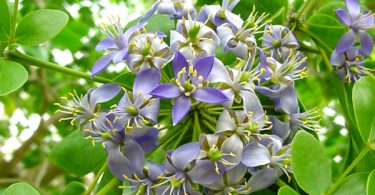
Abstract:- Multiple sclerosis is a long-lasting autoimmune disorder that impacts the central nervous system (CNS) and is marked by inflammation, demyelination, gliosis, and neuronal loss. This condition presents a diverse array of neurological symptoms, including vision impairment, numbness and tingling, focal weakness, bladder and bowel dysfunction, and cognitive impairment.
Homeopathy is a medical practice that originated in Germany over 200 years ago. It is founded on two unconventional principles:
- “Like cures like”—the idea that a disease can be treated by a substance that induces similar symptoms in healthy individuals.
- “Law of minimum dose”—the principle that the smaller the dose of the medication, the more potent its effect. Numerous homeopathic remedies are so highly diluted that no molecules of the original substance are present.
Keywords:- Multiple sclerosis, autoimmune, Genes, Homeopathy, Therapeutics ,simillimum
Introduction:- Multiple sclerosis is a chronic autoimmune disease affecting the central nervous system (CNS) and is characterized by inflammation, demyelination, gliosis, and neuronal loss. This condition manifests with a wide range of neurological symptoms, such as vision impairment, numbness and tingling, focal weakness, bladder and bowel dysfunction, and cognitive impairment.
Pathologically, perivascular lymphocytic infiltrate and macrophages lead to the degradation of myelin sheaths surrounding neurons, causing symptoms that vary depending on lesion location. Clinical symptoms characterized by acute relapses typically appear first in young adults, followed by a gradually progressive course leading to permanent disability within 10 to 15 years.
Classification:- Multiple sclerosis exhibits a variety of disease courses and is categorized into seven distinct types, as detailed below.
• Relapsing-remitting (RR): This initial phase is seen in 70% to 80% of individuals with multiple sclerosis and is characterized by the neurological symptoms listed below.
o New or recurring neurological symptoms that align with multiple sclerosis
o Symptoms persisting for 24 to 48 hours
o Symptoms that develop over a span of days to weeks
• Primary progressive (PP): This type occurs in 15% to 20% of patients and is characterized by a gradual decline from the onset without any relapses.
• Secondary progressive (SP): After an initial relapsing-remitting phase, this type is marked by a more gradual neurological decline. While superimposed relapses may occur, they are not a requirement.
• Progressive-relapsing (PR): This type involves a gradual deterioration accompanied by superimposed relapses and is observed in 5% of patients.
Furthermore, the following three categories are occasionally included within the spectrum of multiple sclerosis:
- Clinically isolated syndrome: This condition is typically categorized as a solitary instance of inflammatory demyelination in the central nervous system.
- • Fulminant: This type is marked by severe multiple sclerosis, characterized by numerous relapses and a swift advancement towards disability.
- • Benign: This variant presents a generally mild course of disability, with infrequent relapses..
Etiology:- While the precise cause of multiple sclerosis remains unclear, the factors contributing to its pathogenesis can be categorized into three main groups: immune factors, environmental influences, and genetic links.
Dysimmunity characterized by an autoimmune assault on the central nervous system (CNS) is the primary hypothesized cause of multiple sclerosis. The proposed “outside-in” mechanism includes the involvement of CD4+ proinflammatory T cells among several suggested mechanisms. It is theorized that an unidentified antigen activates Th1 and Th17 cells, which then adhere to the CNS endothelium, breach the blood-brain barrier, and ultimately instigate an immune response through cross-reactivity. In contrast, the “inside-out” hypothesis posits that an inherent abnormality within the CNS triggers inflammatory-mediated tissue damage.
Environmental influences, such as the latitudinal gradients observed in different countries, have been the subject of extensive research. A deficiency in vitamin D has been proposed as a potential cause for the increased susceptibility of populations residing in higher latitudes to multiple sclerosis. Additionally, certain infections, including the Epstein-Barr virus, may play a role in the disease’s development. The intricate interactions between various environmental factors and individual genetics are evident, and ongoing studies seek to gain a deeper understanding of these pathways.
Individuals who have biological relatives diagnosed with multiple sclerosis face an increased likelihood of developing the disease. The presence of a first-degree relative with multiple sclerosis correlates with a risk of 2% to 4% for developing the condition, in contrast to a mere 0.1% risk observed in the general population. The concordance rates are notably higher among monozygotic twins, ranging from 20% to 30%, as opposed to 5% in dizygotic twins. There exists a 2% concordance rate between parents and their children, which still represents a risk that is 10 to 20 times greater than that of the general population.
Genetic polymorphisms in various genes may contribute to a marginally elevated risk of multiple sclerosis, including the following:
• Genes related to immunity:
• HLA-DR, IL2RA, IL4, IL6, IL12B, IL17R, IRF5, CD24, CD58, and EVI5
• Genes involved in vitamin D metabolism: VDR and CYP27B1
• Specific genes located in mitochondrial DNA
• Genes associated with fibrinolysis: PAI-1
• Genes related to CNS function and repair: ApoE and DPP6
Symptoms:- Symptoms may encompass:
• issues with vision
• challenges in walking or maintaining balance
• difficulties in clear thinking
• numbness or weakness, particularly in the arms and legs
• stiffness in muscles
• feelings of depression
• complications with sexual function or urination
• an overwhelming sense of fatigue.
Homoeopathy :- Homoeopathy is derived from two Greek terms: Homois and Pathos. Homois translates to similar, while pathos refers to suffering. In essence, homoeopathy is a method of treating ailments with specific remedies. Commonly referred to as Homoeopathic medicine, this approach is founded on two alternative principles:
• “Like cures like” – This natural healing law posits that a substance which induces symptoms of a disease in a healthy person can alleviate similar symptoms in an ill person. This principle, known as similia similibus curentur, was introduced by Samuel Hahnemann in 1796.
• “Law of minimum dose” – Homoeopathic remedies are typically diluted to such a degree that the original substance’s molecules are virtually absent. It is believed that a smaller dosage of medication enhances its effectiveness.
It represents a treatment system where prescriptions are determined by the similarity of the patient’s symptoms to those of a drug substance found in the Homoeopathic Materia Medica. This similarity encompasses not only the presenting complaints but also their modalities, constitution, temperament, and both exciting and fundamental causes. It deliberately excludes the similarity of the remedy with a nosological diagnosis.
Health is defined as a balanced state of both body and mind in an individual, maintaining equilibrium within itself and its surroundings. When in good health, a person experiences normal sensations and functions, as both body and mind operate in a harmonious manner (homeostasis). A human being consists of multiple dimensions – physical, mental, emotional, spiritual, and social; even a minor disturbance in any of these dimensions can create ripples of effect that flow in various directions.
Homoeopathic Medicines provide support to the body’s natural defense mechanisms and aim to cure diseases permanently. It is essential to treat the entire body to enable it to correct its metabolism and restore its natural functions.
Case Study:
A female patient Miss RY of age 24 years came to me on 25/8/2025 in OPD with a pre- diagnosed case of multiple sclerosis with a complaint of difficulty in walking , jerking of left upper limb , unable to hold urine.
HOPC: Gradual progression, allopathic treatment taken with temporary palliation.
F/H: Nothing significant
Past History:
Multiple sclerosis since 3 years .
Personal History:
Occupation: student
Hobbies: likes listening to old songs
Physical Generals:
Appetite: 3meal/day
Thirst: thirstless .
Desire: Sweet (2+)
Stool: normal .
Urine: can not hold , frequent urging of urine
Sweat: Profuse .
Sleep: disturbed due to urination .
Dreams: nothing specific
Thermals: Hot , open air amelioration
Mental Generals
Answer properly
Increased sexual desire , nymphomania.
Weeping amelioration.
GYNAECOLOGICAL AND OBSTETRICS HISTORY
MENARCHE:- At age of 14 years
MENSES: Late , scanty .
LEUCORRHEA- Absent .
Prescribing Totality:
difficulty in walking,
jerking of left upper limb,
unable to hold urine.
Increased sexual desire, nymphomania.
Weeping amelioration
Menses Late, scanty
open air amelioration
Repertorial Analysis:


Investigations


Modern medicine is relatively unsuccessful in the cure of multiple sclerosis while such cases can easily be managed through Homoeopathic principles.
References:-
1.World Health Organization. Multiple sclerosis [Internet]. www.who.int. World Health Organization; 2023. Available from: https://www.who.int/news-room/fact-sheets/detail/multiple-sclerosis
2. Tafti D, Ehsan M, Xixis KL. Multiple Sclerosis [Internet]. PubMed. Treasure Island (FL): StatPearls Publishing; 2024. Available from: https://www.ncbi.nlm.nih.gov/books/NBK499849/
3. National Institute of Neurological Disorders and Stroke. Multiple Sclerosis [Internet]. www.ninds.nih.gov. 2025. Available from: https://www.ninds.nih.gov/health-information/disorders/multiple-sclerosis
4. National Center for Complementary and Integrative Health. Homeopathy [Internet]. National Center for Complementary and Integrative Health. 2018. Available from: https://www.nccih.nih.gov/health/homeopathy
5. Delhi.gov.in. 2024. Available from: https://homeopathy.delhi.gov.in/homeopathy/about-homoeopathy
AUTHOR :-
Dr. Narendra jatav
Md Scholar, Batch 2022 – 2023, Dept of Homoeopathic Repertory and Case Taking, Govt Homoeopathic Medical College and Hospital Bhopal (Mp).