Introduction to Hyoscyamus Niger :-
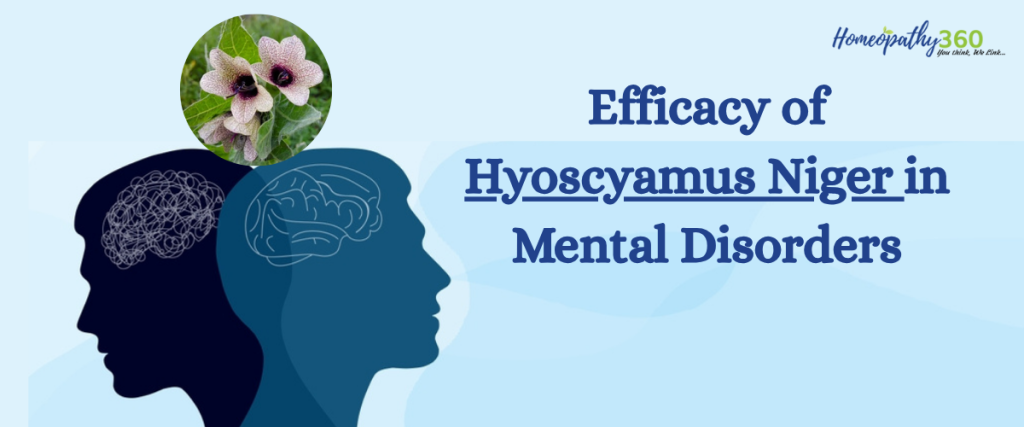
Henbane, also known as Hyoscyamus Niger, is a well-known homeopathic remedy that is especially recommended for a number of neurological and mental health issues. The effectiveness of homeopathic Hyoscyamus Niger in treating mental illnesses like mania, delirium, hallucinations, restlessness, and behavioural abnormalities is investigated in this article. The article assesses homeopathy’s place in customized treatment plans by consulting contemporary observational studies, clinical case reports, and classical homeopathic literature. According to the results, when prescribed in accordance with homeopathic principles, Hyoscyamus Niger can significantly alleviate symptoms in patients who exhibit excessive talkativeness, suspicion, jealousy, and abnormal behaviour patterns.
Historical Significance and Ancient Uses:-
The use of henbane in medicine and rituals dates back many years:-
1. Used as a surgical anaesthetic and for pain and sleeplessness in ancient Egypt and Greece.
2. Dioscorides and Galen used Roman medicine to treat convulsions, fever, and pain.
3. Medieval Europe: In witchcraft and shamanic rituals, it was used in potions and as a component of “flying ointments.”
4. Folk Medicine: It was taken internally (very carefully) to treat spasms and hysteria and applied externally to rheumatism and neuralgia.
5. Despite its benefits, its hallucinogenic and delirium-inducing qualities made it feared, which ultimately caused its use in mainstream medicine to decline.
Proving Of Hyocyamus Niger:-
The ancient homeopathic proving of Hyoscyamus Niger, as recorded by early homeopaths, follows the principles established by Samuel Hahnemann, the founder of homeopathy. These proving were based on the detailed observations of symptoms induced in healthy individuals who took the substance in its potentized form. The remedy was studied through the “law of similar,” where the symptoms it produces in healthy people are matched to the symptoms in patients.
Key Indications of Hyoscyamus Niger for Mental Symptoms
- Mental Confusion & Delirium, Vivid imaginations
When someone feels totally disoriented or out of touch with reality, often speaking in a jumbled or confused way. They may have a sense that they’re losing control of their mind, sometimes experiencing hallucinations—seeing things or hearing voices that aren’t really there. - Manic Episodes & Hyperactivity
For those caught in manic states, where they can’t stop talking, have endless energy, and feel like they’re on top of the world. People may become excessively talkative and little scatterbrained (often in a disjointed or irrelevant way), have racing thoughts, and feel like they can do anything—no matter how impractical or risky. - Extreme Jealousy & Paranoia
Hyoscyamus is helpful when someone feels incredibly jealous—thinking that others are out to get them or that their partner is cheating without any evidence. It’s a remedy for paranoia, where they feel like they’re being watched or poisoned, or believe there’s a conspiracy against them. - Mood Swings & Emotional Turmoil
For those who swing from extreme highs to deep lows, with bursts of uncontrollable laughter followed by sudden tears. It’s a remedy that addresses emotional instability, especially when the mood shifts from excitement to sadness without clear reason. - Inappropriate Behaviour
Sometimes, a person might act in ways that are socially out of place, like undressing in public, laughing at inappropriate times, or speaking without any filter. Hyoscyamus is for those who might lose all social restraint, sometimes mimicking the actions or words of others without realizing it. - Delusions
If someone has irrational beliefs about themselves or others, like thinking they are invincible or have special powers, or if they feel everyone is plotting against them, Hyoscyamus could be the remedy to look at. It helps when delusions take over, especially the kind that aren’t based in reality. - Excessive Sexual Behaviour
In some cases, the remedy is useful for inappropriate sexual behaviour, especially when it’s linked to mental agitation. It’s also helpful when sexual thoughts become obsessive or disruptive to someone’s normal life.
PERSONALITY OF HYOSYMUS NIGER PATIENTS
- Emotions on a Rollercoaster
One minute they might be laughing hysterically, and the next, they’re crying uncontrollably. Their moods can change quickly and without much reason. One moment they might be excited, and the next, they feel really down or even hopeless. Their emotions can be hard to control, and it leaves them feeling unstable. - Jealousy—A Major Issue
When they’re in relationships, jealousy can take over their thoughts. They might believe their partner is cheating or that other people are after their loved ones, even when there’s no reason for it. This jealousy can sometimes feel like a constant anxiety, and they can become irrationally suspicious or possessive. - Unfounded Fears
A Hyoscyamus person might feel like they’re being watched or that there’s some kind of conspiracy against them. They could have a strong sense of being persecuted—like thinking someone’s out to harm them, even when there’s no evidence to support it. These delusions can really shake up their sense of reality. - Inappropriate Behaviour and a Lack of Social Filter
When someone needs Hyoscyamus, they might have moments where they act out of character—like undressing in public, laughing inappropriately, or saying things that just don’t seem to fit the situation. It’s almost like they lose their social boundaries and do things without thinking about how it might affect others. - Mimicking Others
Sometimes, they may copy the actions or words of others, almost like they’re mirroring them without realizing it. This can happen because they feel disconnected from themselves or just don’t have a clear idea of how to express their own thoughts and feelings. - Restlessness and Irritability
They often feel restless—like they can’t relax or calm down. Their mind races, and they might struggle to focus on anything for long. When they can’t get their way or can’t control their situation, they may become irritable and even act out in frustration. - No Shame
A common trait is a lack of inhibition or shame. It’s not that they’re trying to be disruptive, but they might say or do things that others find socially awkward—like speaking out of turn, making crude jokes, or doing something unexpected in public. They might not fully understand the social consequences of their actions.
WHEN TO CONSIDER HYOSCYAMUS IN SCHIZOPHRENIA
1. Paranoia and Delusions of Persecution
If someone feels like the world is against them, constantly thinking they’re being watched, followed, or conspired against, Hyoscyamus can step in. These individuals might believe that people around them are out to harm them or control them. Even though there’s no actual threat, these thoughts feel very real. Hyoscyamus helps reduce these irrational fears, calming the mind and allowing the person to feel safer and more grounded.
2. Delusions of Grandeur (Overly Inflated Sense of Importance)
Some people needing Hyoscyamus might feel like they’re special in a way that’s beyond reality—like they’re on a mission or that they possess some extraordinary power. They might think they’re destined for greatness or even believe they’re more important than others. While these thoughts may give them a sense of power, they also pull them away from what’s real. Hyoscyamus can help bring them back to reality, softening that inflated self-view and helping them recognize their true place in the world.
3. Hallucinations (Seeing and Hearing Things That Aren’t There)
People who need Hyoscyamus sometimes experience hallucinations, where they hear voices or see things that no one else can. These sensory distortions make them feel like their mind is playing tricks on them, and they might become deeply confused about what’s real and what’s not. Hyoscyamus helps restore their connection to reality by calming these disruptive experiences and helping them see the world more clearly again.
4. Feeling Controlled or Possessed
Another common delusion is when someone feels like they’re not in control of their own actions—like they’re being possessed or controlled by someone or something else. They might feel like their thoughts and actions are being directed by an external force. This can leave them feeling completely helpless and lost. Hyoscyamus can help restore their sense of autonomy, helping them feel like they’re back in control of their own life.
5. Imaginative Delusions
Sometimes, people have vivid imagination and come up with fantastical stories that seem real to them, even if they’re not. These imaginative delusions can lead them to believe things that are far from reality—like thinking they can do things others can’t or that they’re in a situation that’s purely made up. Hyoscyamus helps bring the person back to clear thinking, so they stop getting lost in these unreal scenarios.
6. Jealousy and Delusions of Infidelity
For some, Hyoscyamus is helpful when there are irrational feelings of jealousy, especially when they believe their partner or loved one is being unfaithful or cheating—even when there’s no real reason for this suspicion. These feelings can cause a lot of emotional turmoil and even outbursts. Hyoscyamus can help calm these unfounded fears, reducing the jealousy and bringing a sense of trust back into the relationship.
WHEN TO CONSIDER HYOSCYAMUS ON BEHAVIORAL DISORDERS
1. Impulsivity and Recklessness
- It helps calm the impulse to act without thinking, giving them the space to pause and reflect before making decisions, helping them choose more wisely.
2. Shameless Behaviour (Loss of Inhibition)
It helps bring back social awareness, so they can understand what’s acceptable in social settings and regain control over their behaviour.
3. Aggression and Outburst
It soothes that pent-up energy and calms the anger, helping the person manage their frustration and avoid emotional outbursts.
4. Sexual Impulsivity and Overactive Sexual Behaviour
It helps balance sexual energy, bringing a more appropriate sense of self-control when it comes to expressing these urges.
5. Paranoia and Suspicion
It helps ease that unfounded suspicion, allowing them to trust others more and reconnect with reality.
6. Extreme Jealousy and Possessiveness
It helps reduce these irrational fears, making them feel more secure and trusting in their relationship, without letting jealousy take over.
7.Social Withdrawal and Antisocial Behaviour
It encourages them to open up again and find ways to reconnect with others in a healthier, more balanced way.
WHEN TO CONSIDER HYOCYAMUS ON ADHD
1. Calming Hyperactivity
It helps calm the excess energy, so the person can feel more centred and less restless, making it easier to focus on tasks or stay still when needed.
2. Reducing Impulsivity
This remedy helps slow things down mentally, allowing the person to think before reacting, so they can make more thoughtful decisions and avoid acting on impulse.
3. Helping with Attention Issues
Hyoscyamus helps settle the mental restlessness, so the person can focus more easily on the task at hand and improve their ability to stay engaged.
4. Easing Restlessness and Impatience
It can help reduce that unsettled feeling, making it easier for the person to be more patient and able to wait without getting frustrated.
5. Balancing Emotions
The remedy helps calm the emotional rollercoaster, allowing the person to feel more stable and better able to manage their emotions.
6. Improving Social Behaviour
It helps the person become more aware of social boundaries, reducing inappropriate behaviour and making it easier for them to interact with others more comfortably.
WHEN TO CONSIDER HYOSCYAMUS ON SEXUAL DISORDERS
1. Excessive Sexual Urges
- It can help calm down these overwhelming urges and restore balance. This gives the person more self-control, so they don’t feel overwhelmed by their sexual thoughts or behaviours.
2. Impulsive Sexual Behaviour.
- This remedy helps to regulate impulsive behaviours, making the person more aware of social boundaries and how their actions may affect others. It encourages self-awareness and promotes more appropriate sexual conduct.
3. Sexual Frustration
- It helps ease the emotional tension that comes with sexual frustration, allowing for a more calm and contented state. It brings emotional relief, helping the person to feel more balanced in their sexual relationships.
4. Jealousy or Possessiveness
- Hyoscyamus works by reducing irrational jealousy and possessiveness, helping individuals trust their partners more and create a healthier, less stressful relationship.
5. Loss of Sexual Desire
- It helps to revive interest in intimacy and restores a sense of emotional connection, which can lead to a healthier relationship and sexual vitality.
Mental Rubrics Related to Hyoscyamus Niger
- Delirium
- MIND, delirium, loquacious
- MIND, naked, wants to be, in delirium
- Delirium with suspicion and jealousy
- Delirium with hallucinations and talking nonsense
- Mind, naked wants to be, in delirium
- Delusions
- Delusion: being poisoned
- Delusion: people are conspiring against them
- Delusion: sees ghosts or spirits
- Delusion: thinks people are laughing at him
- Delusion: imagines being pursued
- Loquacity & Talking
- Mind, speech, incoherent
- Mind, speech, wandering
- Mind, speech, prattling, lies naked in bed
- Restlessness & Mania
- Mind, rage, violent
- Mind, restlessness, bed wants to go from one bed to another
- Mind, laughing, silly
- Shamelessness & Nudity
- Mind, naked, wants to be
- Mind, lasciviousness, lustful
- Masturbation in public (or lack of shame around it)
- Fear & Suspicion
- Fear of being betrayed, watched, or attacked
- Mind, suspicious
- Fear of being left alone or abandoned
- Jealousy
- Extreme jealousy, often irrational
- Suspicious of partner’s faithfulness
- Insanity & Madness
- Insanity, especially with violence or sexual elements
- Laughs or sings at inappropriate times
- Sudden rage or uncontrolled behaviour
- Sadness and Weeping
- Weeping without cause
- Sorrow with hysterical outbursts
- Sleeplessness & Night Behaviour
- Sleepless, especially from talking or fear
- Sleep talking, nightmares, or waking with a start
Conclusion
We have seen, through the above data, that Hyoscyamus Niger is useful in various mental disorders and depicts a personality which is different from other drugs. However, further research is required in order to explore its usage in psychiatric disorders which will thus solidify its role in mental health care.
References
- Oberbaum , M., & Vithoulkas, G. (2005). Clinical evidence of the effectiveness of homeopathy: A systematic review of trials on psychological conditions. Homeopathy, 94(3), 145–151.
A review of studies evaluating homeopathy in psychiatric settings.
- Frei, H., Everts, R., von Ammon, K., Kaufmann, F., Walther, D., Hsu-Schmitz, S. F., … & Thurneysen , A. (2001). Homeopathic treatment of children with attention deficit hyperactivity disorder: A randomised, double blind, placebo controlled crossover trial. European Journal of Paediatrics, 160(12), 760–764.
- Boericke, W. (1927). Pocket Manual of Homeopathic Materia Medica (with Repertory). Boericke & Tafel.
A foundational Materia medica that outlines the therapeutic indications, mental symptoms, and homeopathic preparation of Hyoscyamus Niger.
- Clarke, J.H. (1902). A Dictionary of Practical Materia Medica. London: Homeopathic Publishing Co.
Offers detailed descriptions of the remedy’s toxicological profile and homeopathic applications.
- Kent, J.T. (1905). Lectures on Homeopathic Materia Medica. Ehrhart & Karl.
Classical lectures that provide insight into the mental and emotional indications of Hyoscyamus Niger in homeopathy.
- Vithoulkas, G. (2002). Materia Medica Viva. International Academy of Classical Homeopathy.
A modern interpretation that connects classical symptoms with clinical applications.
- Grieve, M. (1931). A Modern Herbal. London: Jonathan Cape.
Covers the botanical background, traditional uses, and toxicology of Hyoscyamus Niger in herbal medicine.
- Brunton, L.L., Hilal-Dandan, R., & Knollmann, B.C. (Eds.). (2018). Goodman & Gilman’s: The Pharmacological Basis of Therapeutics (13th ed.). McGraw-Hill Education.
For understanding the pharmacology and toxic effects of tropane alkaloids like hyoscyamine and scopolamine.
- European Pharmacopoeia Commission. (latest ed.). European Pharmacopoeia.
Details standards for homeopathic preparation of mother tinctures and dilutions.
- Hering, C. (1879). Guiding Symptoms of Our Materia Medica.
Includes deep clinical insights and mental symptomatology gathered from the proving and clinical observations.
Author:
Dr. SWETA SINGH, MD Scholar, Department of Psychiatry, Government Homoeopathic Medical College and Hospital, Bhopal, Madhya Pradesh,
Co- Author:
Dr. Santosh Hande, Head of Department, Department of Psychiatry, Government Homoeopathic Medical College and Hospital, Madhya Pradesh.