Battling the Bleed, The Vitalistic Defense : A Homoeopathic Perspective on Ebola Virus Disease.
Abstract
Ebola, also known as Ebola virus disease (EVD) and Ebola hemorrhagic fever (EHF), is a zoonotic viral hemorrhagic fever in humans and other primates, caused by four of the six known ebolaviruses. Symptoms typically start anywhere between two days and three weeks after infection. The first symptoms are usually fever, sore throat, muscle pain, and headaches. These are usually followed by vomiting, diarrhoea, rash, hepatic and renal dysfunction, at which point some people begin to bleed both internally and externally. Outbreaks of the disease have had a mortality rate of between 25 and 90%, averaging out at approximately 50%.The viral species involved and timing of treatment play a critical role in its prognosis. Death is often due to shock from fluid loss, and typically occurs between 6 and 16 days after the first symptoms appear.
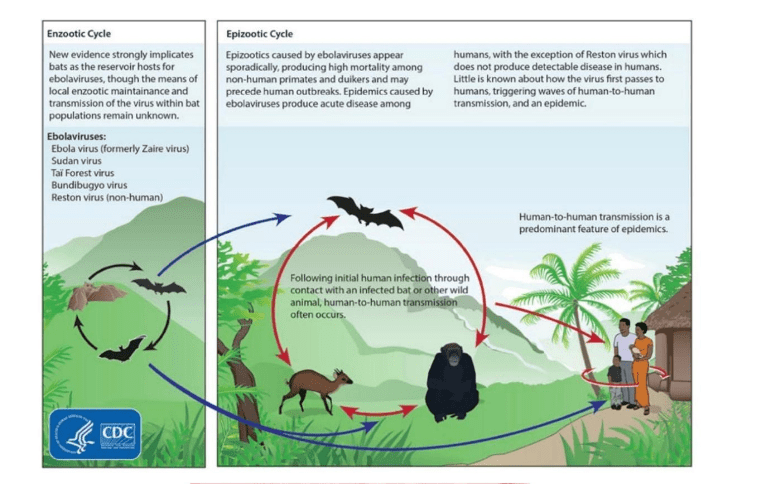
They spread through direct contact with body fluids, such as blood from infected humans or other animals, or from contact with items that have recently been contaminated with infected body fluids. There have been no documented cases, either in nature or under laboratory conditions, of spread through the air between humans or other primates. After recovering from Ebola, semen or breast milk may continue to carry the virus for anywhere from several weeks to several months.
The symptoms of Ebola may resemble those of several other diseases, including malaria, cholera, typhoid fever, meningitis and other viral hemorrhagic fevers. Diagnosis is confirmed by testing blood samples for the presence of viral RNA, viral antibodies or the virus itself.
Epidemiology
Ebola Virus Disease (EVD) is a severe viral hemorrhagic fever first identified in 1976 in Sudan and Zaire (now the Democratic Republic of the Congo). The disease mainly occurs in outbreaks in tropical regions of Sub-Saharan Africa and spreads through direct contact with infected body fluids. Major outbreaks have occurred in the DRC, Uganda, Guinea, Liberia, and Sierra Leone. The 2013–2016 West African epidemic was the largest, causing over 28,000 cases and 11,000 deaths. Healthcare workers are highly vulnerable during outbreaks. Control measures include isolation, contact tracing, quarantine, safe burial practices, vaccination, and improved infection prevention.
Introduction
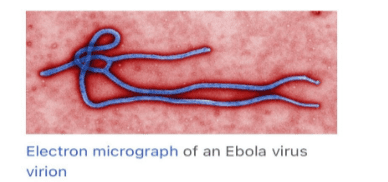
EVD in humans is caused by four of six viruses of the genus Ebolavirus. The four are Bundibugyo ebolavirus(BDBV), Sudan ebolavirus (SUDV), Taï Forest ebolavirus (TAFV) and Zaire ebolavirus (EBOV). EBOV is the most dangerous of the known EVD-causing viruses, and is responsible for the largest number of outbreaks. The fifth and sixth viruses, Reston virus (RESTV) and Bombali virus (BOMV), are not thought to cause disease in humans, but have caused disease in other primates. All six viruses are closely related to marburgviruses.
Ebolaviruses contain single-stranded, non-infectious RNA genomes. Ebolavirus genomes contain seven genes including 3′-UTR-NP-VP35-VP40-GP-VP30-VP24-L-5′-UTR.
Sign and Symptoms
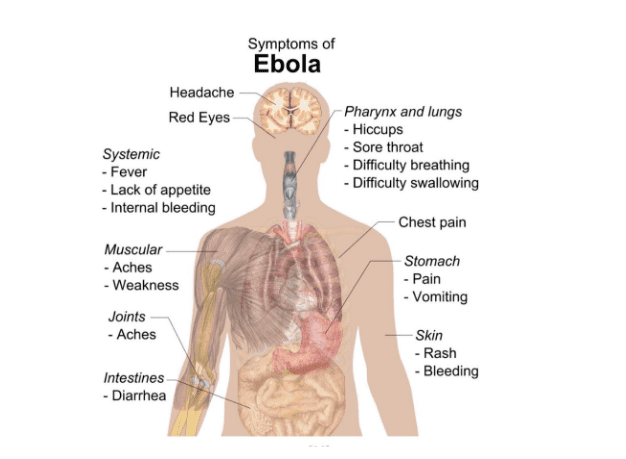
The length of time between exposure to the virus and the development of symptoms (incubation period) is between 2 and 21 days, and usually between 4 and 10 days. However, recent estimates based on mathematical models predict that around 5% of cases may take longer than 21 days to develop.
Symptoms usually begin with a sudden influenza-like stage characterised by fatigue, fever, weakness, decreased appetite, muscular pain, joint pain, headache, and sore throat. The fever is usually higher than 38.3 °C (101 °F). This is often followed by nausea, vomiting, diarrhoea, abdominal pain, and sometimes hiccups. The combination of severe vomiting and diarrhoea often leads to severe dehydration. Next, shortness of breath and chest pain may occur, along with swelling, headaches, and confusion. In about half of the cases, the skin may develop maculopapular rash, a flat red area covered with small bumps, five to seven days after symptoms begin.
Investigation
Confirmation that the person has an Orthoebolavirus infection is made using the following diagnostic methods:
• reverse transcriptase polymerase chain reaction (RT-PCR) assay
• antibody-capture enzyme-linked immunosorbent assay (ELISA)
• antigen-capture detection tests
• virus isolation by cell culture.
Vaccination
For Ebola virus disease:
• Two vaccines are approved: Ervebo (Merck & Co.) and Zabdeno and Mvabea (Janssen Pharmaceutica). Ervebo vaccine is recommended as part of outbreak response, see SAGE recommendations of July 2024.
• In case of a confirmed Ebola virus disease outbreak, Ervebo vaccines can be accessed through the International Coordinating Group on vaccine provision.
• For preventive vaccination of health-care and frontline workers, request of Ervebo vaccines can be made through Gavi Preventive Ebola vaccination.
For other Ebola diseases, such as SVD:
• Several candidate vaccines are at different stages of development.
• As part of outbreak response, a CORE protocol to evaluate the safety, tolerability, immunogenicity, and efficacy of vaccine candidates is available.
Allopathic Anti Viral Treatment
Standard treatment for Ebola virus disease (EVD) primarily relies on monoclonal antibody infusions like Inmazeb and Ebanga. While there is no single “cure” approved in the form of a small-molecule antiviral pill, several broad-spectrum antiviral and polymerase inhibitor drugs are utilized or currently being researched for post-exposure prophylaxis and treatment.
Key Antivirals and Therapeutics
• Inmazeb (atoltivimab/maftivimab/odesivimab)
• Ebanga (ansuvimab)
• Favipiravir (Avigan)
• Obeldesivir
Homoeopathic Remedies
| Name of Medicine As EBOLA | Signs and Symptoms | Modalities |
| E-Elaps corallinus | Hemorrhagic tendency, black discharges, coldness, weakness, septic states. Mental: fear, anxiety at night. | Agg.: cold drinks, damp weather. Amel.: warmth, rest. |
| Echinacea angustifolia | Septicemia, toxic blood states, ulceration, exhaustion. Mental: dullness, mental fatigue. | Agg.: exertion. Amel.: rest. |
| B-Baptisia tinctoria | Typhoid-like fever, delirium, offensive discharges, prostration. Mental: confusion, feels body scattered. | Agg.: motion, heat. Amel.: rest, open air. |
| Belladonna | Sudden high fever, congestion, throbbing pains, flushed face. Mental: delirium, hallucinations. | Agg.: light, noise, jarring. Amel.: dark room, rest. |
| Bryonia Alba | Dry fever, body pains, dehydration, bleeding tendency. Mental: irritability, wants to be left alone. | Agg.: slightest motion. Amel.: rest, pressure. |
| O-Oxalic Acid | Extreme weakness, sharp pains, collapse states. Mental: depression, anxiety. | Agg.: motion, cold. Amel.: warmth, rest. |
| L-Lachesis mutus | Septic hemorrhagic states, bluish discoloration, intolerance of tight clothes. Mental: jealousy, loquacity. | Agg.: after sleep, heat. Amel.: discharges, open air. |
| Leptandra virginica | Black tarry stools, liver involvement, weakness. Mental: gloomy mood. | Agg.: morning. Amel.: rest. |
| A-Alumina | Dry mucosa, sluggishness, weakness. Mental: confusion, indecision. | Agg.: morning, potatoes. Amel.: evening, warm drinks. |
| Argentum nitricum | Gastric irritation, trembling, nervous exhaustion. Mental: anticipatory anxiety, impulsiveness. | Agg.: heat, sweets. Amel.: open air. |
| Arnica montana | septic trauma-like soreness, bruised feeling, hemorrhage. Mental: says nothing is wrong, fear of being touched. | Agg.: touch, motion. Amel.: lying down. |
| Arsenicum album | Collapse, burning pains, restlessness, vomiting, diarrheoa. Mental: fear of death, anxiety. | Agg.: midnight, cold drinks. Amel.: warmth, small sips. |
Other Name of Medicine | ||
| Carbo vegetabilis | Collapse with coldness, air hunger, cyanosis. Mental: indifference, sluggishness. | Agg.: lying flat, warmth. Amel.: fanning, belching. |
| Chininum sulphuricum | Intermittent fever, exhaustion, hemorrhagic weakness. Mental: irritability. | Agg.: night, drafts. Amel.: warmth. |
| Crotalus cascavella | Hemorrhage, septic blood conditions, jaundice. Mental: fearfulness, confusion. | Agg.: motion. Amel.: rest. |
| Crotalus horridus | Dark hemorrhages, septicemia, prostration. Mental: delirium, suspiciousness. | Agg.: damp weather. Amel.: rest. |
| Ferrum metallicum | Weakness with flushing, anemia after hemorrhage. Mental: oversensitivity. | Agg.: exertion. Amel.: gentle walking. |
| Hamamelis virginica | Venous hemorrhage, soreness, passive bleeding.Mental: low spirits. | Agg.: motion. Amel.: rest. |
| Kali carbonicum | Great weakness, stitching pains, respiratory weakness. Mental: anxiety, irritability | Agg.: 3 AM, cold air. Amel.: warmth. |
| Melilotus alba | Congestive headaches, bleeding tendency. Mental: nervous excitability. | Agg.: afternoon. Amel.: epistaxis. |
| Millefolium officinale | Bright hemorrhage, weakness after blood loss. Mental: irritability. | Agg.: exertion. Amel.: rest. |
| Muriaticum acidum | Profound prostration, septic states, involuntary stools. Mental: apathy, irritability. | Agg.: touch, exertion. Amel.: rest. |
| Nitricum acidum | Ulceration, bleeding, offensive secretions. Mental: anger, resentment. | Agg.: night, touch. Amel.: riding. |
| Phosphoricum acidum | Debility after fever, painless diarrhea, exhaustion. Mental: indifference, grief. | Agg.: exertion. Amel.: warmth, sleep. |
| Phosphorus | Hemorrhagic tendency, burning, thirst, weakness. Mental: fear alone, anxiety. | Agg.: evening, cold air. Amel.: cold drinks, company. |
| Rhus Toxicodendron | Fever with body aches, restlessness, septic states. Mental: anxiety, restlessness. | Agg.: rest, damp cold. Amel.: motion, warmth. |
| Staphysagria | Weakness after emotional shock, septic tendency. Mental: suppressed anger, sensitivity. | Agg.: emotions, touch. Amel.: warmth, rest. |
| Sulphuricum acidum | Hemorrhage, tremulous weakness, sour discharges. Mental: impatience, hurried feeling. | Agg.: cold. Amel.: warmth. |
| Sulphur | Heat, burning sensations, septic tendency, weakness. Mental: selfishness, forgetfulness. | Agg.: heat, bathing. Amel.: dry warmth. |
| Terebinthiniae oleum | Hemorrhagic nephritis, tympanitis, dark urine. Mental: dullness, irritability. | Agg.: touch, pressure. Amel.: rest. |
Prevention :
If you live in or are traveling to regions where Ebola disease has been diagnosed or is suspected, take steps to protect yourself.
• Avoid contact with body fluids
• Wear personal protective equipment
• Monitor your health
References :
Wikipedia – https://en.wikipedia.org/wiki/Ebola#
Field Virology by David M. Knipe and Peter M. Howley
William Boericke Materia Medica
Boger Synoptic key
Allens Key Note
Guided By :
Dr. RaxitKumar Ramavat, Assistant Professor, Department of Homoeopathic Materia Medica, Rajkot Homoeopathic Medical College, Parul University.