Homoeopathy in Functional Disorders of Lactation: Focus on Agalactia
Abstract :-
A crucial physiological mechanism that guarantees the newborn’s life and sustenance is lactation. In addition to compromising child nutrition, lactation disorders, particularly agalactia (total or partial absence of milk secretion), also have an impact on the physical and mental health of mothers.
The psychological aspects of lactation are frequently ignored by conventional therapy, which focuses mostly on hormonal and mechanical factors. By treating both physiological and psychological disorders, homoeopathy provides a safe and efficient substitute for returning lactational function to normal.
With a focus on agalactia, this article examines the role of homoeopathy in functional lactation disorders and discusses its pathogenesis, research, treatments, and management approaches.
Keywords :-
- Agalactia,
- Lactation disorders,
- Homoeopathy,
- Functional disorders,
- Postpartum,
- Maternal health,
- Holistic healing,
- Individualization
Introduction :-
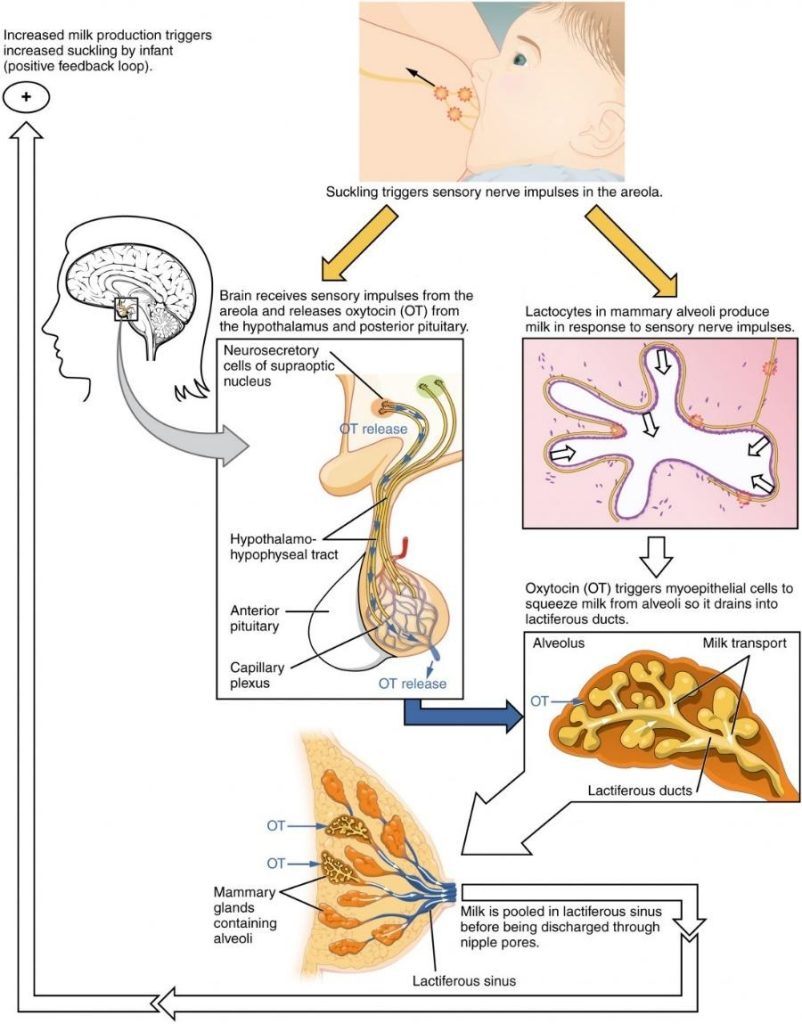
- Prolactin and oxytocin, which are under hypothalamic regulation, are the main neurohormones that regulate lactation, a complicated neurohormonal process. Hormonal balance, infant suckling reflex, mental condition, and maternal health all affect the amount of milk secreted.
- The two main categories of lactation disorders are hypogalactia (deficiency of milk production) and agalactia (lack of milk secretion). Agalactia can happen either when established milk supply stops or when lactation does not start after childbirth.
- Maternal anguish, anxiety, and feelings of inadequacy are frequently brought on by the condition. By addressing both physical and mental factors without the negative effects of galactagogues, homoeopathy offers a safe and customized method of inducing lactation through its comprehensive grasp of mind-body dynamics.
Epidemiology :-
- Ten to fifteen percent of postpartum women worldwide suffer from lactation difficulties.
- Cultural, dietary, and psychological variables influence the occurrence of agalactia.
- Stress, poor nursing practices, and insufficient nutrition are the main causes in poorer nations.
- Functional agalactia has been demonstrated to be significantly influenced by psychosomatic factors, including anxiety, bereavement, and emotional suppression.
- Homoeopathic intervention may improve lactational results, according to studies and clinical accounts, especially if stress or emotional inhibition is the underlying cause. A growing number of moms are using homoeopathy to treat lactation issues in a pleasant, natural, and efficient manner.
Etiopathogenesis :-
The hypothalamic-pituitary axis, mammary glands, and psychological variables all work together to facilitate lactation. Agalactia can result from any kind of disruption.
Traditional etiopathogenesis
- Endocrine causes: Insufficient secretion of oxytocin or prolactin.
- Mechanical factors include retained placental tissue, malformed nipples, and poor newborn latch.
- Malnutrition, severe anemia, infections, and metabolic abnormalities are examples of systemic causes.
- Psychological factors that impede the milk ejection reflex include emotional trauma, anxiety, tension, or postpartum depression.
Homoeopathic perspective
- Homoeopathic philosophy views agalactia as a dynamic disruption of the vital energy brought on by emotional or physical stress that obstructs the regular physiological flow of lactation.
- The underlying triggers are frequently sadness, emotional repression, or nervous weariness. By reestablishing normal lactation and increasing the vital energy, homoeopathic treatments work on the psychosomatic plane to restore equilibrium.
Diagnosis and Investigations :-
Agalactia is mostly diagnosed clinically, with a physical examination and history supporting the diagnosis.
Clinical Evaluation
- Milk secretion is either absent or significantly reduced following delivery.
- Examining the breasts reveals limp, flabby breasts that are neither full nor sensitive.
- Infant feeding pattern: insufficient milk causes irritation or inadequate weight gain.
- Evaluation of the psychological state of the mother, including any weariness, stress, despair, or bereavement.
Examinations
- To rule out endocrine reasons, measure serum levels of oxytocin and prolactin.
- To find retained placental pieces, use a pelvic ultrasound.
- Tests for thyroid and hemoglobin levels to determine systemic reasons.
- In homoeopathic medicine, the mother’s mental and emotional state as well as her bodily generals and modalities are crucial factors to consider while analyzing a case.
Homoeopathic Therapeutics :-
The entirety of the symptoms, the underlying causes, and each person’s constitution are taken into consideration while using homoeopathic treatments for agalactia.
Hormonal and emotional imbalances are balanced and vital energy is stimulated by remedies :
- Pulsatilla nigricans
One of the best treatments for insufficient or nonexistent postpartum milk. Shown in kind, compliant, and emotional ladies who yearn for comfort. Agalactia during grief or due to emotional reasons. With soft emotional comfort, milk flow resumes.
- Ricinus communis
A traditional homoeopathic galactagogue treatment. Encourages the production of milk when the breasts are flabby and there is little or no milk. Beneficial for encouraging milk production following an early discontinuation.
- Urtica Urens
Directly affects the mammary glands. Helpful when urticaria or rheumatic symptoms coexist with total inhibition of milk production or alternating milk flow.
- Agnus Castus
Indicated when there is no milk at all, along with melancholy and a lack of desire for sex. The patient is physically worn out, depressed, and uncaring.
- Asafoetida
Helpful in nervous system functioning problems linked to hysterical symptoms. Shown in suppressed lactation brought on by mental instability or neurotic irritability.
- Lac caninum
Efficient in causing the breasts to secrete milk irregularly or alternately. Linked to anxious excitability and uncomfortable, tender nipples.
- Calcarea Carbonica
Indicated in moms who are overweight, lethargic, and have excessive sweating and insufficient milk. Ideal for mothers who get tired easily and worry about the health of their children.
- Silicea
For women who are weak, cold, anxious, and have low vitality and poor absorption who have delayed milk supply. After a comprehensive case-taking process, each treatment is recommended based on individualization rather than just the name of the illness. Vitality, susceptibility, and chronicity all affect potency and repetition.
Management (General and Personal) :-
Overall Administration
- Psychological support: Promote bonding through frequent sucking and skin-to-skin contact, boost maternal confidence, and lessen anxiety.
- Diet and hydration: Maintaining lactation requires adequate diet, hydration, and rest. Breast care includes correcting nipple issues and routinely emptying the breasts.
- Stress avoidance: Establishing a peaceful and encouraging home environment.
- Complementary therapies: Oxytocin release and mental serenity are improved by yoga, meditation, and relaxation practices.
Individual Management
- In homoeopathy, the doctor’s job includes comprehending the patient’s emotional environment and listening with empathy.
- Counseling, customized treatment modifications, and routine follow-ups are essential.
- Treatments should be administered in accordance with changing symptoms, noting improvements in lactational function and mental calm.
Conclusion :-
Maternal and newborn health are significantly impacted by agalactia, despite the fact that it is frequently reversible and functional. With its customized philosophy that unifies mind and body, homoeopathy provides a distinctive and successful method. Pulsatilla, Ricinus communis, Agnus castus, and Urtica urens are among the remedies that have demonstrated exceptional therapeutic efficacy in regaining emotional stability and milk supply.
Without the dangers of pharmaceutical galactagogues, homoeopathy fosters physiological equilibrium by addressing psychological and constitutional elements. The well-being of mothers and children can be further improved by future research, observational studies, and integrated lactation clinics that combine homoeopathy with contemporary obstetrics.
Summary :-
Homoeopathy offers a comprehensive and customized treatment for functional lactation issues, including agalactia. It successfully increases milk production and boosts maternal confidence with treatments that address both the psychological and physiological aspects of the condition. The study emphasizes the integrative potential of homoeopathy in maternity care by highlighting etiopathogenesis, diagnostic evaluation, and evidence-based homoeopathic treatments.
References :-
- https://ijshr.com/IJSHR_Vol.8_Issue.3_July2023/IJSHR-Abstract20.html
- https://www.researchgate.net/publication/372706446_Agalactia_and_Homoeopathy_Review_Article
- https://www.lybrate.com/topic/breastmilk-homeopathic-remedies-for-increasing-it/b14e59e54e6b76bbe5e6ac1335df5748
- https://www.homoeopathicjournal.com/articles/1519/9-2-43-320.pdf
- https://ijshr.com/IJSHR_Vol.8_Issue.3_July2023/IJSHR20.pdf
- Davidson’s Principles and Practice of Medicine
- Harrison’s Principles of Internal Medicine, 20th Edition
- APT Textbook of Medicine by Sandhya Kamath, 8th Edition
- Golwalla’s Medicine for Students
- Materia Medica of Homoeopathic Medicines by Dr. S.R. Phatak
- Materia Medica by William Boericke
- Lectures on Homoeopathic Materia Medica by J.T. Kent
- A Synoptic Key of the Materia Medica by C.M. Boger
- Psychiatry and Homoeopathy by Fernando Risquez, 1st Edition