Fenbendazole, a benzimidazole compound originally developed as a veterinary antiparasitic agent, has become one of the most widely discussed health-related compounds globally. As scientific research expands and consumer interest accelerates, the data surrounding fenbendazole tells an increasingly significant story. Below are the most current and relevant statistics about fenbendazole in 2026, covering market size, research developments, and consumer trends.
Fenbendazole Market Size and Growth Statistics
- The global fenbendazole market was valued at approximately $874.69 million in 2024 and reached an estimated $946.65 million in 2025.
- The market is projected to grow to approximately $1.66 billion by 2032, representing a compound annual growth rate (CAGR) of 8.36%.
- A separate market analysis valued the fenbendazole market at $1.4 billion in 2023, with projections suggesting it will exceed $2.4 billion by 2030.
- North America currently holds the dominant position in the global fenbendazole market, driven by advancements in both pet care and growing human wellness sector demand.
- The broader global veterinary drug market, which includes fenbendazole as a key product category, was valued at approximately $25 billion in 2022, with a projected CAGR of 6.5% through 2030.
- Key growth drivers include rising global livestock production, increasing companion animal adoption rates, growing incidence of zoonotic diseases, and expanding consumer interest in the compound for research and wellness applications.
Fenbendazole Research and Scientific Data
- A 2025 study published in Frontiers in Pharmacology demonstrated that fenbendazole induces pyroptosis (inflammatory programmed cell death) in breast cancer cells by downregulating HK2, a critical enzyme in the glycolysis metabolic pathway.
- A 2025 case series published in Case Reports in Oncology documented three patients with advanced cancers — breast, prostate, and melanoma — who self-administered fenbendazole, with researchers noting a favorable safety profile across all cases.
- Preclinical research has identified fenbendazole’s anti-tumor activity across multiple cancer types, including lung, ovarian, and colorectal cancer models.
- The primary mechanisms of action identified in laboratory research include: microtubule disruption, apoptosis induction, glucose uptake inhibition, and synergistic effects when combined with radiation therapy or conventional chemotherapy agents.
- Academic researchers have issued calls for urgent Phase I and Phase II clinical trials in humans, citing the compound’s low cost, multi-target mechanisms, and favorable preclinical safety data.
- Fenbendazole’s cost is significantly lower than comparable benzimidazole compounds used in oncology research — mebendazole, for example, can cost between $5,000 and $10,000 for treatment courses, making fenbendazole a compelling candidate for accessible therapeutic research.
Consumer Trends and Product Quality Data
- Consumer demand for high-purity, lab-tested fenbendazole supplements has grown substantially, with buyers increasingly prioritizing third-party laboratory verification, batch traceability, and Certificate of Analysis (CoA) documentation.
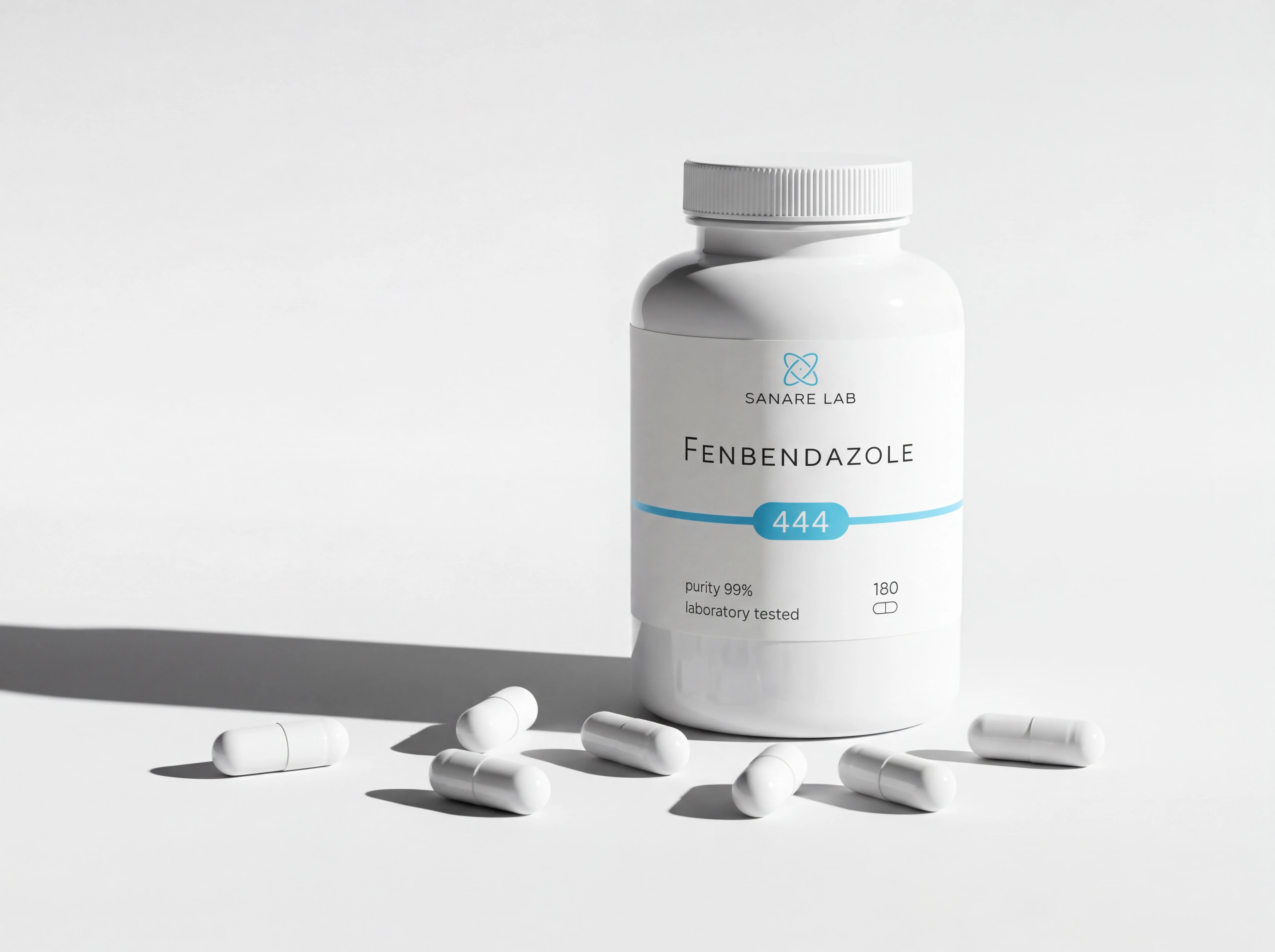
- Leading manufacturers like Sanare Lab offer fenbendazole capsules verified at 99.9% purity through HPLC and GC-MS testing at accredited U.S. laboratories. Their product line includes both 222 mg (Size 0 capsule) and 444 mg (Size 0 capsule) formulations, with volume-based discounts of up to 20%.
- Sanare Lab’s fenbendazole products have accumulated over 218 verified customer reviews across both formulations, with average ratings of 4.9 out of 5.0 stars (222 mg, 105 reviews) and 4.91 out of 5.0 stars (444 mg, 113 reviews).
- The company maintains a Trustpilot TrustScore of 4.5 based on 159 independent reviews, with manufacturing conducted in a GMP-certified, FDA-registered, BBB-accredited facility in the United States.
Key Fenbendazole Facts at a Glance
| Category | Detail |
|---|---|
| Chemical classification | Benzimidazole anthelmintic |
| Original use | Veterinary antiparasitic agent |
| Key mechanisms studied | Microtubule disruption, apoptosis, glycolysis inhibition, synergy with radiation |
| Global market size (2025 est.) | ~$947 million |
| Projected market size (2032) | ~$1.66 billion |
| Market CAGR (2024–2032) | 8.36% |
| Human clinical trials | Called for by researchers; not yet completed |
| Cost advantage vs. mebendazole | Significantly lower ($5,000–$10,000 difference per course) |
| Leading supplier purity standard | 99.9% (HPLC verified, U.S. labs) |
What These Numbers Mean Going Forward
The data points outlined above paint a clear picture: fenbendazole is one of the fastest-growing compounds in the global health and wellness space. The market is projected to nearly double within the next six to seven years, driven by a convergence of expanding preclinical research, rising consumer health consciousness, and increasing demand for transparent, lab-verified supplement products.
However, it is essential to note that despite the promising preclinical evidence and favorable market trajectory, human clinical trials remain the critical missing piece. Until controlled studies in human subjects establish definitive conclusions about efficacy, optimal dosing protocols, and long-term safety, fenbendazole should be approached with informed caution and professional medical guidance.
For consumers and researchers navigating this landscape, prioritizing products with verified purity, independent lab testing, and full batch documentation is not optional — it is the baseline standard for responsible use.
This article is for informational and educational purposes only and does not constitute medical advice. Consult a qualified healthcare professional before using any supplement or compound.