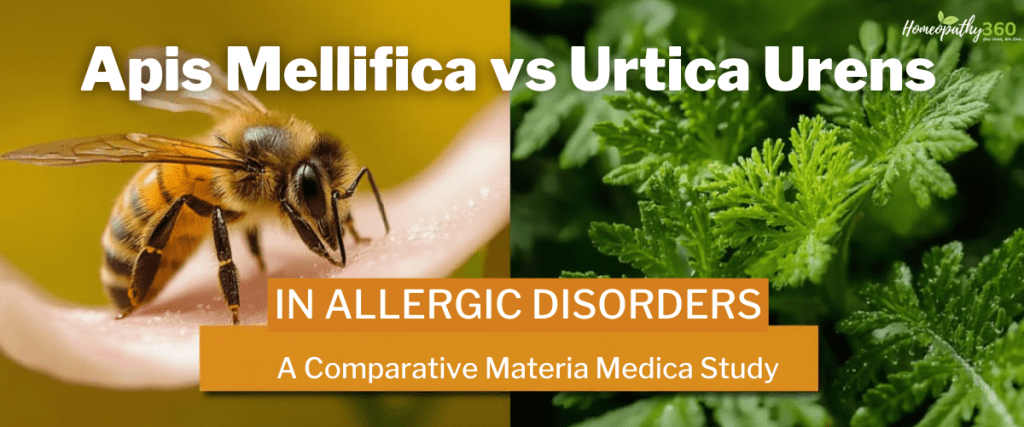
Apis Mellifica vs Urtica Urens in Allergic Disorders – A Comparative Materia Medica Study
Abstract
Allergic disorders are among the most commonly encountered conditions in clinical practice today, showing an increasing prevalence due to environmental changes, lifestyle factors, and immune dysregulation. Homoeopathy offers a holistic and individualized approach in managing allergic conditions. Among the many remedies indicated in allergies, Apis Mellifica and Urtica Urens occupy an important place, particularly in urticarial and hypersensitivity reactions. This article aims to present a comparative Materia Medica study of Apis Mellifica and Urtica Urens with special reference to allergic disorders, highlighting their characteristic symptoms, sphere of action, and clinical applicability.
Keywords: Apis Mellifica, Urtica Urens, Allergy, Urticaria, Comparative Materia Medica
Introduction
Allergy is an exaggerated immune response to otherwise harmless substances known as allergens. Clinically, allergic disorders manifest as urticaria, angioedema, allergic rhinitis, conjunctivitis, bronchial asthma, and food allergies. Conventional treatment often provides symptomatic relief but may fail to address the underlying susceptibility.
Homoeopathy, based on the principle of Similia Similibus Curentur, treats the individual rather than the disease. A thorough knowledge of Materia Medica is essential for accurate remedy selection. Apis Mellifica and Urtica Urens are frequently indicated remedies in allergic conditions, especially those presenting with skin manifestations. Though they share similarities, their differentiating features guide precise prescribing.
Understanding Allergic Disorders from a Homoeopathic Perspective
From a homoeopathic viewpoint, allergic disorders represent an altered vital force with increased sensitivity. Miasmatic influence, especially psora and sycosis, plays a significant role in the development of allergies. The selection of a remedy depends upon the totality of symptoms, including sensation, modalities, concomitants, and constitutional makeup.
Apis Mellifica
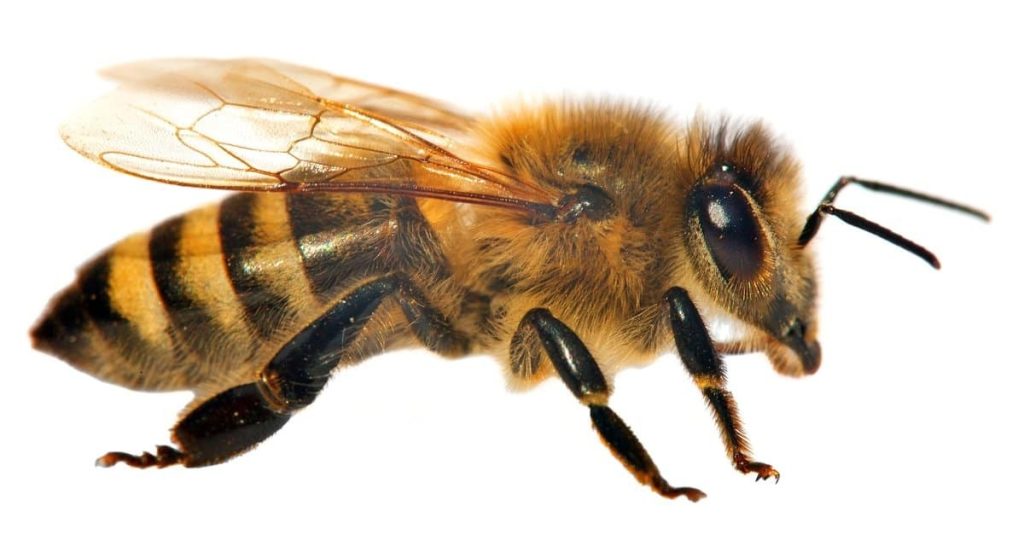
Source
Prepared from the honeybee.
Sphere of Action
Skin
Mucous membranes
Serous membranes
Nervous system
Characteristic Features
Sudden onset of symptoms
Marked oedema, swelling, and puffiness
Stinging, burning pains as if from a bee sting
Redness with heat and swelling
Symptoms are worse from heat and better from cold applications
Mental Symptoms
Restlessness and anxiety
Irritability
Fearful, especially fear of death in acute conditions
Skin & Allergic Manifestations
Urticaria with intense burning and stinging
Angioedema (especially of face, lips, eyelids)
Pinkish or rosy-red eruptions
Swelling with soreness
Absence of thirst despite fever or acute reaction
Modalities
Aggravation: Heat, warmth, pressure, touch
Amelioration: Cold applications, open air
Clinical Indications in Allergy
Acute urticaria
Allergic edema
Insect bite reactions
Drug-induced allergic reactions
Allergic conjunctivitis with swelling
Urtica Urens
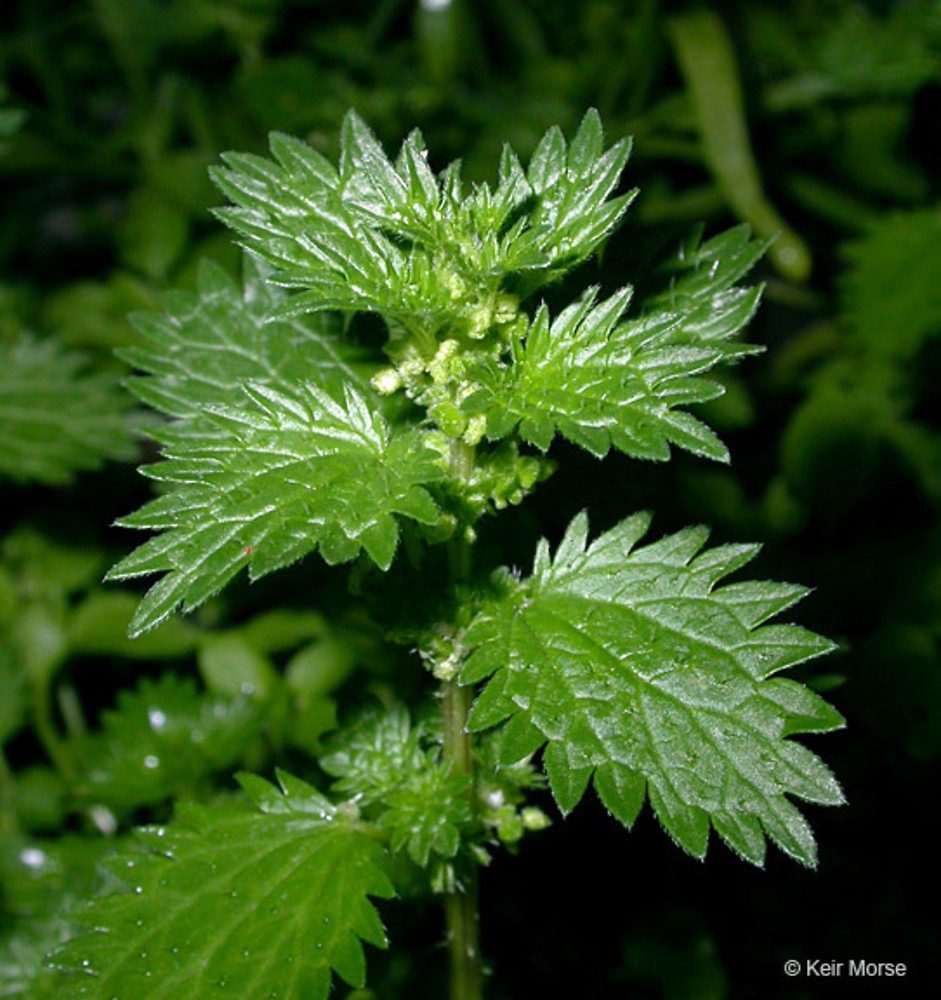
Source
Prepared from the stinging nettle plant.
Sphere of Action
Skin
Kidneys
Metabolism
Characteristic Features
Intense itching and burning
Tingling sensation
Symptoms resemble those caused by nettle sting Often related to dietary indiscretions
Mental Symptoms
Less marked mental symptoms
Irritability due to itching and discomfort
Skin & Allergic Manifestations
Urticaria with violent itching
Wheals appearing suddenly and disappearing rapidly Burning and smarting of skin
Eruptions often aggravated by shellfish, fish, or dietary allergens
Modalities
Aggravation: Cold, damp weather, touch
Amelioration: Rubbing, warmth (in some cases)
Clinical Indications in Allergy
Chronic or recurrent urticaria
Food allergy-related eruptions
Seasonal allergic skin complaints
Urticaria following suppressed eruptions
Comparative Analysis: Apis Mellifica vs Urtica Urens
| Aspect | Apis Mellifica | Urtica Urens |
| Nature of allergy | Acute, intense, sudden | Subacute or chronic |
| Dominant sensation | Stinging, burning | Itching, tingling |
| Swelling | Marked edema | Mild or absent |
| Skin appearance | Pinkish-red, puffy | Wheals with itching |
| Thirst | Usually thirstless | Thirst not characteristic |
| Aggravation | Heat, warmth | Cold, damp |
| Amelioration | Cold applications | Rubbing, warmth |
| Trigger factors | Insect stings, drugs | Food allergies, shellfish |
Clinical Utility
In allergic disorders, differentiation between Apis Mellifica and Urtica Urens is essential to avoid routine or symptomatic prescribing. Apis is best suited for acute allergic emergencies with edema and burning pains, while Urtica Urens is more effective in chronic or food related allergic manifestations dominated by itching.
Conclusion
Apis Mellifica and Urtica Urens are valuable remedies in the homoeopathic management of allergic disorders. Though both are indicated in urticaria, their individual characteristics,
modalities, and sphere of action differ significantly. A sound understanding of their comparative Materia Medica enables the physician to prescribe accurately and achieve lasting relief. Individualization remains the cornerstone of successful homoeopathic treatment in allergic conditions.
References
Boericke W. Pocket Manual of Homoeopathic Materia Medica
Allen HC. Keynotes and Characteristics
Hahnemann S. Organon of Medicine
Clarke JH. A Dictionary of Practical Materia Medica