STYE:
❖ Definition:
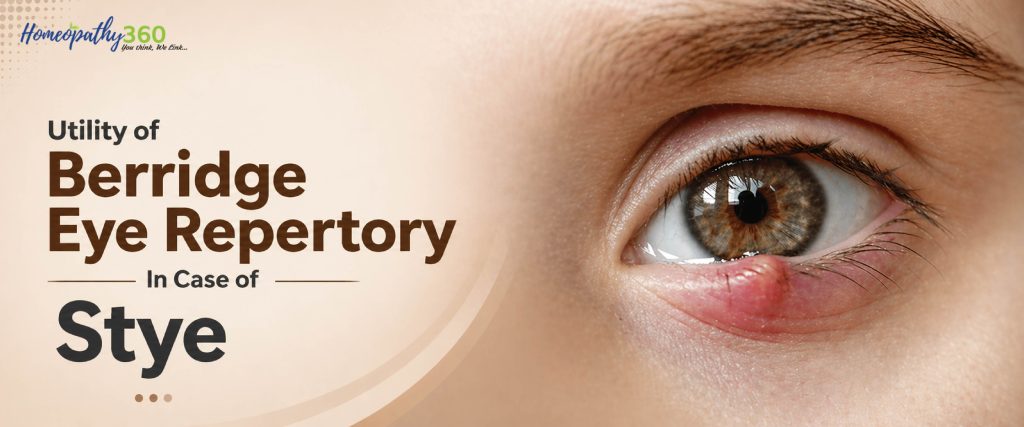
A stye [hordeolum] is an acute, painful, suppurative inflammation of the glands of the eyelid, usually caused by staphylococcus aureus, presenting as a localized tenderness, red swelling on the lid margin.
❖ Classification:
BASED ON ORIGIN
1. External hordeolum:
Infection of glands of Zeis or glands of moll at the lid margin
2. Internal hordeolum:
Infection of meibomian glands
Deeper, more painful swelling on the tarsal plate.
❖ Clinical findings:
A. Symptoms:
Redness and swelling of lid margin
Foreign body sensation
Excessive Localized pain
Tenderness tearing
Sometimes mild fever or malaise
B. Sign:
Erythmatous, localized swelling Presences of pustule at lash root Diffuse lid edema in internal type
Local lymphadenopathy
Possible pointing and discharge of pus
❖ Etiology:
Bacterial infection:staphylococcus aureus
Poor eyelid hygiene
Blepharitis [chronic] Diabetes
Meletus
Chronic meibomian gland dysfunction
Seborrheic dermatitis
Stress and decreased immunity
❖ Diagnosis:
A. Clinical examination:
i. Inspection for swelling, redness, pointing
ii. Palpation for tenderness
iii. Examination of eyelashes and lid margin
B. Additional tests [if required]:
i. Blood sugar level in recurrent stye
ii. Swab culture in atypical or non- responding cases
❖ Complication:
Perceptual cellulitis
Chalazion formation [ if meibomian gland blockage persist]
Secondary conjunctivitis
Scarring of eyelid margin [rare]
Spread of infection to adjacent glands
BERRIDGE’S EYE REPERTORY
Berridge’s eye repertory provides detailed rubrics for stye which allows individualized prescription depending on the location, stages of inflammation, pain characteristics and recurrence rates.
Rubrics under sections such as:
1. Stye – General
i. Stye, tendency to recurrent styes
ii. Stye, painful
iii. Stye, suppurating
iv. Stye, beginning / early stage
v. Stye, chronic / lingering
vi. Stye, left eye
vii. Stye, right eye
viii. Stye on upper eyelid
ix. Stye on lower eyelid
2. Eyelid – Related Rubrics Relevant to Stye
i. Eyelids – inflammation
ii. Eyelids – swelling
iii. Eyelids – nodules
iv. Eyelids – small tumors / lumps
v. Eyelids – pustular eruptions
vi. Eyelids – margin inflamed
3. Pain Rubrics Associated with Styes
i. Pain in eyelid – throbbing
ii. Pain in eyelid – sticking / pricking
iii. Pain in eyelid – shooting
iv. Pain in eyelid – pressure sensation
v. Soreness of eyelid
4. Rubrics for Conditions Known to Cause Recurrent Styes
i. Meibomian gland inflammation
ii. Blepharitis
iii. Gland obstruction
iv. Eyelid congestion
5. Modalities (very important in Berridge)
i. Better from warm applications
ii. Better from cleansing/washing
iii. Worse in cold air
iv. Worse in wind
v. Worse in morning
vi. Better from cleansing/washing
vii. Worse in cold air
viii. Worse in wind
ix. Worse in morning
x. Worse from touch
xi. Worse from rubbing
Common remedies highlighted for stye in Berridge’s repertory include:
1. Staphysagria
Especially useful for recurrent styes, where new ones appear as old ones heal.Styes that come from suppressed anger, indignation, or emotional upset (a key note in Lilienthal).Lid margins itching, burning, smarting, with a tendency to form chalazia. Sensation as if sand in the eyes. Suited to sensitive, gentle individuals who are easily offended.
2. Pulsatilla
Styes with bland, non-corrosive discharge. Eyelid inflammation worse in warm rooms, better in cool, open air. Eyes feel agglutinated in the morning. Suited to patients who are mild, yielding, emotional, desire open air.Tendency to recurrent styes, often related to digestive upset or rich/fatty food.
3. Hepar sulph
Painful, suppurating styes; extreme tenderness to touch.Stitching, splinter-like pains in the eyelid (a hallmark of Hepar). Patient feels chilly and wants warm coverings; worse from slightest cold. Promotes rapid suppuration and drainage of stye.Useful when stye is on the verge of forming pus.
4. Silicea
Chronic or slow-developing styes, especially when they do not mature. Tendency to form hard nodules or chalazia. Useful when stye keeps returning on the same spot. Eyelids feel heavy, sore, with sensitivity to cold air. Helps expel foreign bodies and promote natural drainage.
5. Calcarea sulphurica
Yellow, thick, persistent discharge from styes. For lingering, non-healing styes that continue to discharge. Styes that keep breaking out one after another. Helps when the stye has opened but healing is slow, or discharge is pus-like but not offensive. Complements Hepar and Silicea in late-stage suppuration.
Co-Authors –
Bhanderi Kinjal —B.H.M.S.( Internship) L.R. Shah Homoeopathy College
Daslaniya Princy —B.H.M.S.( Internship) L.R. Shah Homoeopathy College
BIBLIOGRAPHY:
1) Khurana A. K. Comprehensive Ophthalmology. 6th ed. New Delhi: Jaypee Brothers Medical Publishers; 2015.
2) Parson JH, Standring R. Parson’s Diseases of the Eye. 22nd ed. Elsevier; 2015. 3) Kanski JJ, Bowling B. Clinical Ophthalmology: A Systematic Approach. 8th ed. Elsevier; 2016. 4) Yanoff M, Duker JS. Ophthalmology. 5th ed. Elsevier; 2018.
5) Berridge E. W. Repertory of the Eye. New Delhi: B. Jain Publishers; Reprint edition. 6) Boericke W. Pocket Manual ofHomoeopathic Materia Medica with Repertory. 9th ed. New Delhi: B. Jain Publishers.
7) Lilienthal S. Homoeopathic Therapeutics. New Delhi: B. Jain Publishers; Reprint edition.