Exploring the Oral Therapeutic Potential of Acacia nilotica in a Novel Homoeopathic Dental Powder Formulation
Abstract: –
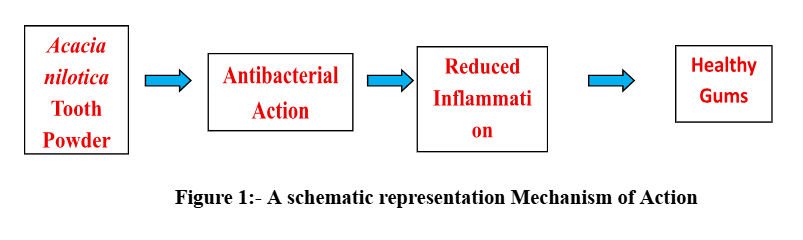
Oral health disorders, including gingival bleeding, inflammation, and associated pain, are widespread conditions that can negatively influence everyday quality of life. Medicinal plants used in traditional systems continue to represent important sources of therapeutic agents, especially in preventive oral healthcare. Acacia nilotica ( Indian Traditional name Babool) has been extensively documented in ethnomedicine for its supportive role in maintaining oral hygiene. The present concept evaluates the incorporation of Acacia nilotica as a natural component in a homoeopathic tooth powder designed to alleviate bleeding and sore gums. The plant exhibits significant antibacterial and astringent activities, which may contribute to lowering microbial burden, reducing gingival inflammation, and supporting tissue repair and anti-inflammatory property which enhance by chewing in olden era of Indian regular teeth cleaning purpose. Its historical application as a chewing stick and herbal dental cleanser further emphasizes its potential relevance in contemporary plant-based oral care formulations. Considering these attributes, the formulation of a novel homoeopathic tooth powder containing Acacia nilotica is proposed as a natural and potentially effective strategy for promoting gum health. Nonetheless, comprehensive scientific investigations, including phytochemical characterization, antimicrobial evaluation, and clinical validation, are essential to establish its safety and therapeutic effectiveness for regular dental use.
Key words: – Bleeding Gums, Painful Gums, anti-inflammatory, Infectious teeth, anti-bacterial, acacia nilotica, Homoeopathy.
Introduction:
Bleeding and painful gums are common oral health problems and often indicate early-stage gum disease (gingivitis), mainly caused by the accumulation of dental plaque. In such conditions, gums become inflamed, red, tender, and prone to bleeding during routine brushing or flossing and enhance bonding between gums and teeth. If not managed at an early stage, gingivitis may progress to more severe periodontal disorders, affecting both oral health and overall quality of life. Therefore, safe and effective preventive approaches for maintaining gum health are essential, in Indian old tradition people use to do cleaning of teeth in there regular based in morning due to which teeth become safer hygienic and free from infection and remain healthy teeth at age of above 80 years, Babool plant along its stem(datoon) bark and twig has also significant medicinal value for dental care.Medicinal plants have long been used in traditional oral care due to their natural therapeutic properties. Acacia nilotica (Babool) is well known in ethnomedicine for its antibacterial and astringent activities and has historically been used as a chewing stick and herbal tooth cleanser. Based on these properties, the development of a homoeopathic tooth powder containing Acacia nilotica represents a promising natural strategy for managing bleeding and painful gums while supporting preventive oral healthcare.
Incidence:
Gum diseases, particularly gingivitis, are among the most common oral health problems affecting people worldwide. Studies suggest that in some regions, up to 90–95% of adults may experience gum inflammation at some point in their lives, mainly due to plaque buildup and inadequate oral hygiene. Young adults between 21 and 30 years of age often show a higher incidence, possibly influenced by lifestyle habits, irregular dental care, stress, and dietary patterns. Although gingivitis is usually mild and reversible when identified early, its widespread occurrence makes it an important public health concern. If neglected, it can gradually progress into more serious periodontal conditions, affecting both oral health and overall well-being. These trends highlight the importance of preventive care, awareness of proper oral hygiene practices, and the exploration of safe, natural approaches to maintaining healthy gums.
Etiological factors:
Bleeding and painful gums are most commonly associated with bacterial infections resulting from the accumulation of dental plaque along the gum line. The presence of these microorganisms triggers inflammation, making the gums swollen, tender, and prone to bleeding during everyday oral hygiene practices. However, several additional factors may also contribute to gum sensitivity and discomfort. Aggressive or improper brushing techniques can injure the delicate gum tissue, while hormonal fluctuations during stages such as pregnancy or menopause may increase gum susceptibility to inflammation. Nutritional deficiencies, particularly of vitamins C and K, can weaken gum integrity and impair normal healing responses. Furthermore, certain medications, including anticoagulants or blood thinners, may enhance the tendency for gums to bleed. Understanding these contributing factors is essential for effective prevention and management of gum-related conditions.
Clinical presentation:
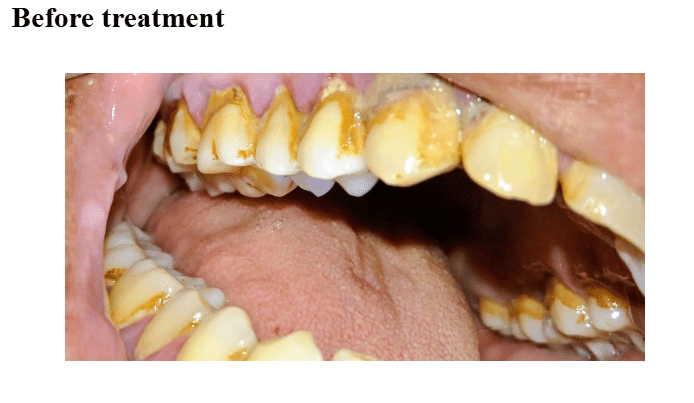
- Gingiva appear erythematous, swollen, and edematous, indicating underlying inflammation.
- Gingival tissues exhibit a tendency to bleed readily during routine oral hygiene practices such as tooth brushing.
- Spontaneous or provoked bleeding may also occur during mastication due to increased vascular fragility and inflammation.
All Information of plant, its species, and preparation of the teeth powder :-
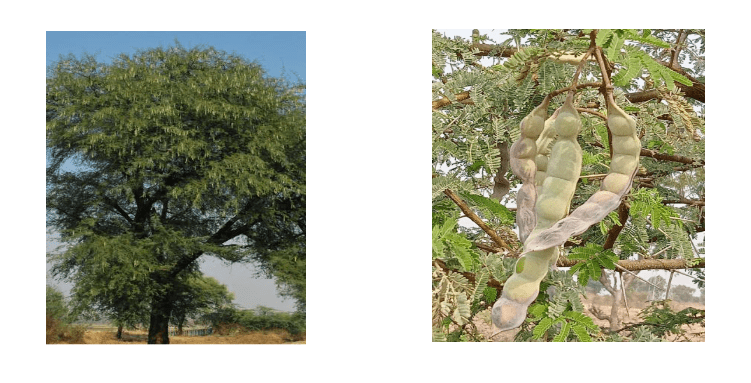
1. Plant Information (Babool)
Common name: Babool / Babul / Indian Gum Arabic Tree
Botanical name: Vachellia nilotica (syn. Acacia nilotica)
Family: Fabaceae (Leguminosae) – Mimosoideae subfamily
Taxonomical Classification
- Kingdom: Plantae
- Division: Angiosperms
- Class: Eudicots
- Order: Fabales
- Family: Fabaceae
- Genus: Vachellia
- Species: V. nilotica
Geographical Distribution
- Widely distributed in India, Africa, Middle East, and tropical/subtropical regions.
- Commonly found in dry regions, plains, roadside areas, and semi-arid climates.
Pharmacological relevance:
Astringent, antimicrobial, anti-inflammatory, antioxidant, and wound-healing properties—supporting its traditional use in oral care and gum strengthening.
2. Traditional and Dental Uses
- Strengthening gums and teeth
- Reducing gingival bleeding and inflammation
- Antibacterial action against oral pathogens
- Prevention of plaque formation and bad breath
3. Preparation of Babool Tooth Powder (Standard Herbal Method)
Procedure
1. Collection and Authentication,(with wild variety )
- Collect mature, disease-free Babool pods from a clean environment.
- Authenticate botanically and record voucher specimen details (if required for thesis documentation).
2. Cleaning
- Wash pods thoroughly with running tap water followed by distilled water to remove soil and impurities.
- Remove extraneous plant material and damaged pods.
3. Drying
- Spread pods evenly on clean trays.
- Shade-dry at room temperature (25–30 °C) for 5–7 days or dry in a hot-air oven at 40–45 °C until constant weight is achieved.
- Avoid high temperature to prevent degradation of bioactive tannins and polyphenols, alkaloid tryptamine ,flavonoid catechin , bioactive gallic acid
4. Size Reduction
- Break dried pods into small pieces manually or mechanically.
- Grind using a mechanical grinder to obtain a fine powder.
5. Sieving
- Pass powdered material through a 60–80 mesh sieve to achieve uniform particle size suitable for dental application.
- Regrind coarse particles if necessary.
6. Blending (If Formulated Tooth Powder)
- Mix Babool pod powder with selected herbal adjuncts in predetermined ratios using geometric dilution to ensure uniform mixing.
7. Packaging and Storage
- Transfer the final powder into airtight, moisture-resistant containers.
- Store in a cool, dry place away from direct sunlight.
- Label with batch number and preparation date for documentation.
Scientific Rationale
- Babool pods are rich in tannins and polyphenols, which impart astringent and antimicrobial effects beneficial for gingival health.
- Fine particle size ensures effective cleaning while minimizing enamel abrasion.
- Controlled drying preserves phytochemical stability.
Other uses:- diarrhoea, skin issue , wound healing , bleeding disorder
4. Safety and Considerations
- Use finely powdered material to avoid gum abrasion.
- Avoid excessive salt content for sensitive gums.
- Maintain hygienic preparation and proper storage conditions.
Data Collection Overview
| Parameter | Description |
|---|---|
| Study Area | Rural population |
| Type of Cases | Patients with gingival and dental complaints |
| Data Recorded | Demographic details, presenting complaints, history, and physical generals |
| Purpose | Clinical evaluation and observation of oral health conditions |
Case Report 1 – Clinical Details
Patient Information
| Parameter | Details |
|---|---|
| Name | XYZ |
| Age / Sex | 48 / Male |
| Marital Status | Married |
| Occupation | Farmer |
| Area | Rural |
Clinical Presentation
| Parameter | Findings |
|---|---|
| Present Complaint | Bleeding gums with inflamed and swollen gingiva; painless condition |
| History of Present Illness | Bleeding during morning brushing; no blood in sputum |
Physical Generals
| Parameter | Observation |
|---|---|
| Appetite | Normal (full meals) |
| Thirst | Normal |
| Perspiration | Normal |
| Desire | Sour foods |
| Aversion | Pulses |
| Thermal Reaction | Hot patient |
| Sleep | Normal, refreshing |
| Urine | Normal |
| Stool | Once daily |
Case Report 2 – Clinical Details
Patient Information
| Parameter | Details |
|---|---|
| Name | XYZ |
| Age / Sex | 25 / Female |
| Marital Status | Married |
| Occupation | Homemaker |
| Area | Rural |
Clinical Presentation
| Parameter | Findings |
|---|---|
| Present Complaint | Painful gums with signs of dental infection |
| History of Present Illness | Gum pain associated with infected teeth affecting oral comfort |
Physical Generals
| Parameter | Observation |
|---|---|
| Appetite | Normal (full meals) |
| Thirst | Normal |
| Perspiration | Normal |
| Desire | Sweet foods |
| Aversion | Not specific |
| Thermal Reaction | Chilly patient |
| Sleep | Disturbed; unable to sleep without covering body |
| Urine | Normal |
| Stool | Once daily |
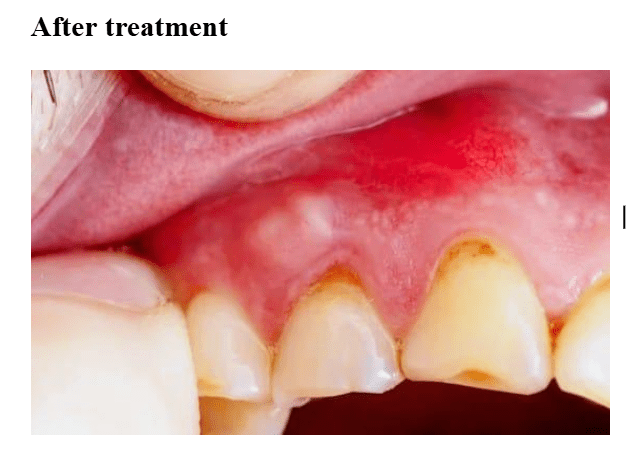
Conclusion:
The present clinical documentation highlights common gingival and dental complaints observed among individuals from rural populations, primarily characterized by bleeding gums, inflammation, pain, and signs of infection. Both cases demonstrated generally stable physical health parameters, indicating that local oral hygiene practices and microbial factors may play a significant role in the development of periodontal conditions. Early identification of symptoms such as gingival swelling, bleeding during brushing, and dental discomfort is essential for preventing disease progression. These observations emphasize the importance of accessible oral healthcare awareness, regular hygiene measures, and the potential role of safe, plant-based dentifrices such as Babool formulations in maintaining gingival health and supporting preventive dental care.
References:
Boericke’s New Manuel of Homoeopathic Materia Medica
harsh Mohan textbook of pathology, seventh edition ,2015, page No.510 to 514. ISBN:978-93-5152-369-7
Acharya Priyavrat Sharma textbook of Dravya gun Vigyan part- 2, 2014, page No.474 to 476, ISBN:978-93-84541-04-0
Dr. Mariyam Roqaiya, Acacia arabica (Babool)- A Review on Ethnobotanical and Unani Traditional uses as well as phytochemical and pharmacological properties-International Journal of Pharmaceutical and phytopharmacological research (Internet), revised on 3 March 2015 and Accepted 27 may 2015
Guided by: –
Dr. Susan Thomas(MD) – School of Homoepathy, SSUTMS, Sehore
Co-Author And Guided By
Dr. Ashish Jain — Assistant Professor, Satya Sai University, Sehore)