Plant-based medicine has guided human healing for thousands of years. Across every continent and every tradition, practitioners have observed a single, unchanging truth. The quantity of a remedy matters as much as the remedy itself.
A precise dose can support recovery. An imprecise one can delay it, weaken it, or render it inert. This is why dosing precision sits at the heart of every serious system of plant-based healing, from classical traditions to modern clinical practice.
This article explores why pre-measured dosing has become a defining standard in plant-based medicine. It also examines how that standard supports better patient outcomes and stronger clinical reliability.
Why Dosing Precision Matters in Plant-Based Healing
Plants contain complex chemistry. A single leaf may hold dozens of active compounds, each present in concentrations that shift with soil, season, and processing. Without careful measurement, the same plant can deliver very different effects from one preparation to the next.
Dosing precision addresses this variability. By controlling the exact quantity delivered to a patient, practitioners reduce the guesswork inherent in working with natural materials. This is essential for both safety and reproducibility in plant-based homeopathic pharmacy and related clinical traditions.
A reliable dose also allows practitioners to study what works. When the input is consistent, the response can be observed, recorded, and refined. Without that consistency, learning across cases becomes far more difficult.
The historical record reinforces this point. Early texts in nearly every healing tradition include detailed instructions on quantity, timing, and preparation. These instructions were not casual notes. They were the result of generations of careful clinical observation.
The Rise of Pre-Measured Formats
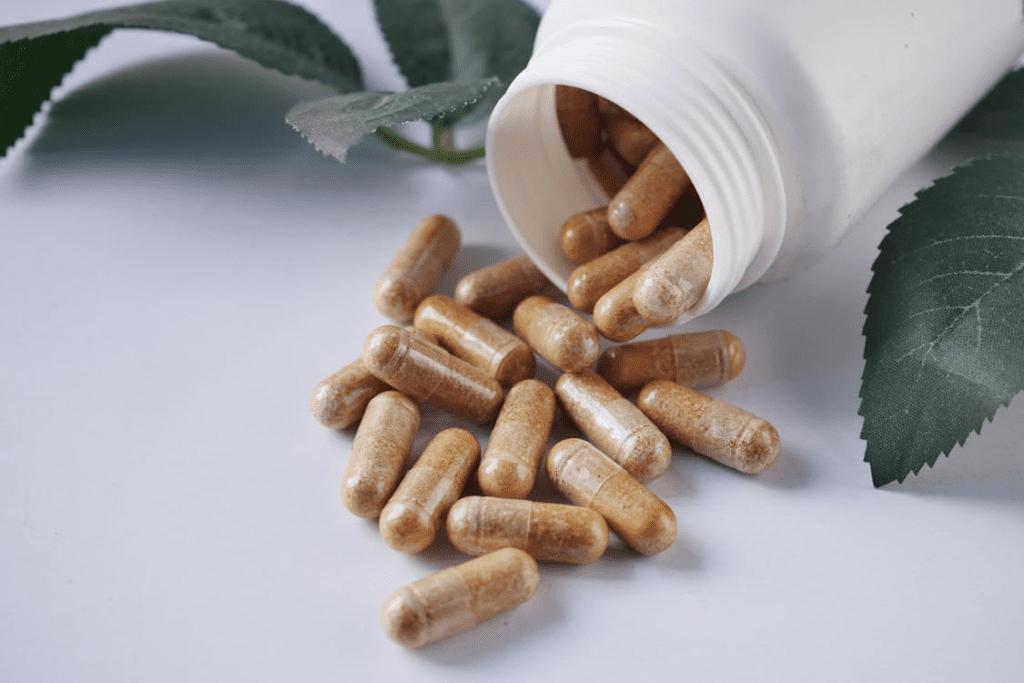
Modern dispensing has moved steadily toward pre-measured formats. Capsules, tablets, sachets, and single-dose vials all share one purpose. They remove variation at the point of delivery.
This shift has been welcomed by clinicians and patients alike. Pre-measured formats reduce the burden of weighing or counting at home. They also reduce the risk of accidental over or under-dosing, particularly for patients managing long-term conditions.
In recent years, the rise of standardised botanical preparations such as encapsulated plant powders and pre-measured herbal supplements has shown how natural remedies can be delivered with the same precision expected from conventional preparations. The botanical content inside remains rooted in tradition, while the format meets contemporary expectations for accuracy and convenience.
For practitioners, the benefit is clinical. A pre-measured format allows the conversation with the patient to focus on response and progress, rather than on the mechanics of measurement.
For patients, the benefit is practical. A clearly labelled unit removes uncertainty from the daily routine. It also makes it easier to travel, to maintain a schedule, and to share information with a treating practitioner.
Principles That Guide Accurate Plant-Based Dosing
Several principles shape responsible dosing in plant-based traditions. These principles transcend any single school of practice. They reflect lessons learned over centuries of clinical observation.
Start Low and Observe
The first principle is restraint. Plant chemistry is potent, and the response of an individual cannot always be predicted from the response of another. A lower starting dose, carefully observed, gives the practitioner room to adjust upward if needed.
This approach protects the patient from unnecessary exposure. It also preserves the practitioner’s ability to read the body’s signal clearly, without the noise of an overwhelming dose.
Match the Dose to the Person
A second principle is individualisation. Two patients with the same condition may need different quantities of the same preparation. Body weight, age, constitution, and sensitivity all influence response.
Pre-measured formats support this principle rather than working against it. A standard unit, taken once or several times depending on the patient, allows the practitioner to titrate by frequency rather than by weighing each dose.
Maintain Consistency Across Batches
A third principle is batch consistency. A preparation that delivers one strength today and a different strength next month makes meaningful clinical work impossible. This is where standardisation and testing become essential.
Quality controls such as alkaloid profiling, contaminant screening, and certificates of analysis help ensure that each batch meets the same specification. Without these controls, even the most carefully chosen dose becomes a moving target.
Document the Response
A fourth principle is documentation. A dose given without observation is a missed opportunity for learning. Careful notes on timing, quantity, and patient response transform each case into useful clinical evidence.
Over time, this documentation builds the practical knowledge that no textbook alone can provide. It also creates a record that supports continuity of care across visits and across practitioners.
The Role of Standardisation and Quality Assurance
Standardisation is the bridge between traditional knowledge and modern clinical confidence. It allows ancient plant wisdom to be delivered in a form that meets contemporary scrutiny.
Regulatory bodies around the world have moved to formalise this. The World Health Organization has published extensive guidance on quality control methods for herbal materials, recognising that consistent quality is essential to safe use. National standards bodies have followed with their own specifications.
For the patient, standardisation means trust. A label that states a clear quantity per unit, supported by independent testing, transforms a botanical preparation into a dependable clinical tool.
For the practitioner, standardisation means reproducibility. A treatment plan built around a standardised preparation can be repeated, evaluated, and shared with confidence.
It also supports collaboration. When practitioners describe their work in common units, knowledge can move freely between clinics, schools, and research settings.
Looking Ahead
Plant-based medicine is entering a period of renewed scientific interest. Research methods that were unavailable to earlier generations are now being applied to remedies that have been used for centuries.
In this environment, dosing precision will become more important, not less. As studies grow more rigorous, the preparations used in them must meet matching standards. Pre-measured formats and tested batches are the foundation that allows this research to proceed.
For everyday clinical practice, the message is simpler. Precise dosing respects both the patient and the remedy. It honours the careful observations of those who came before, and it equips the practitioner to add their own observations to that tradition.
The future of plant-based medicine will be shaped by the same commitment that built its past. Choose the right preparation, deliver it in the right amount, and observe the response with care. Precision is not a departure from tradition. It is the discipline that has always made tradition work.