

Remember when having a “home gym” basically meant one sad treadmill you used as a clothes hanger? Yeah, we’ve all been there. Thankfully, that era is dying a quiet death.
Today, more people are ditching the oversized machines and building smarter setups with gear that doesn’t eat half their apartment. The SFIA reported that 247.1 million Americans participated in at least one physical activity and a solid chunk of those people are working out at home now. Compact equipment isn’t some fleeting niche. It’s genuinely reshaping how everyday people move.
Why Small Gear Is Quietly Winning the Home Fitness War
For a long time, the assumption was simple: real home workouts required real space. A spare room, maybe a garage. That thinking just doesn’t hold up anymore. People in studios, shared apartments, and tiny houses are building legitimate routines and they’re doing it with equipment that disappears under a bed when they’re done.
Goodbye, Bulk. Hello, Practical
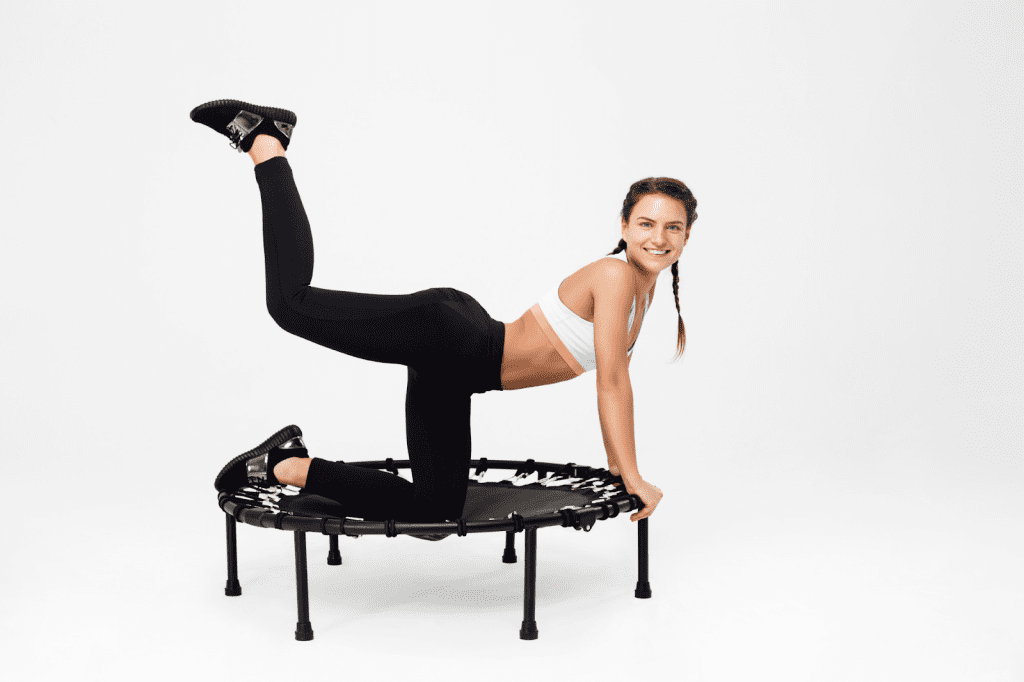
Here’s a perfect example of the shift happening in real time. The mini trampoline for exercise has gone from a novelty item to a genuine workout staple.
It takes up almost no floor space, delivers a surprisingly solid sweat, and doesn’t require you to rearrange your entire living room. Foldable resistance tools and compact strength gear are pulling similar duty, quietly replacing those hulking multi-station cable machines that only made sense if you had a dedicated basement.
What a Future-Proof Home Gym Actually Looks Like
The smartest home setups right now are built around low-impact, high-return equipment. One standout in this space is the mini trampoline from Leaps & Rebounds, bungee-based, easy on your joints, and built specifically for adults who take their training seriously at home. That kind of thoughtful design is exactly what belongs at the center of a setup you’ll actually use long-term.
So now that you’ve got the “why,” let’s dig into exactly which compact tools are taking over and why one of them is getting way more attention than anyone expected.
The Compact Equipment Actually Worth Your Money
This isn’t just about saving space. It’s about finding gear that fits your actual life, your schedule, your budget, your building’s noise rules.
Mini Trampolines: The Unlikely Cardio Champion
Let’s clear something up right away. A rebounder trampoline for adults is nothing like the bouncy castle your neighbor has in their backyard. These are purpose-built machines, higher-tension bungee systems or springs, stable frames, controlled surfaces.
The result is a cardio tool that’s surprisingly gentle on your knees, quiet enough for apartment living, and capable of getting your heart rate up fast.
Beyond the obvious calorie burn, regular rebounding supports lymphatic circulation, improves your balance, and has a sneaky way of making workouts feel fun. That “fun factor” is genuinely underrated. It’s probably why people actually stick with rebounders longer than treadmills.
Strength Tools That Don’t Take Over Your Space
A solid compact gym doesn’t stop at cardio. Adjustable dumbbells, resistance bands, a compact kettlebell or two these pair perfectly with a fitness trampoline for home setup. Combined with bounce-based circuits, they give you a genuinely complete program without a single piece of equipment you can’t store in a closet.
How Compact Cardio Options Stack Up
Before you decide on a foldable rebounder trampoline versus something else, it helps to actually compare what’s out there side-by-side:
| Equipment | Setup Time | Storage Size | Noise Level | Approx. Cost Range |
| Foldable Rebounder | Under 2 min | Slim, behind-door | Very quiet | Mid-range |
| Walking Pad | 1–2 min | Flat, under-bed | Moderate | Mid-range |
| Under-Desk Bike | None | Under desk | Very quiet | Budget-friendly |
| Compact Rowing Machine | 3–5 min | Long, wall-lean | Moderate | Mid-to-high |
On noise alone, the rebounder wins in almost every apartment scenario. Add setup speed and storage flexibility, and it’s genuinely hard to beat for tight spaces.
What Rebounding Actually Does to Your Body
Okay, here’s where it gets interesting because a lot of people underestimate how much is happening physiologically when you bounce.
Your Joints Will Thank You
When you land on a bungee-based rebounder, a huge portion of that impact force gets absorbed before it ever reaches your knees or hips. Compare that to road running or even a treadmill, and the difference is significant.
That’s exactly why a best rebounder trampoline option gets recommended for beginners, older adults, and people easing back from injury always with appropriate medical sign-off, of course.
More Than Just Cardio
Here’s something most people don’t realize: the up-and-down motion creates a natural pumping effect on your lymphatic system, actively supporting circulation and immune function. That’s not marketing fluff, it’s basic physiology.
Research has also shown that structured home-based exercise programs like rebounding produce a retention rate of 91.1% and an attendance rate of 85.0%, which honestly says everything about how sustainable this kind of training is. Balance and coordination improve too the kind of functional gains that carry over into daily life.
The Mental Side Nobody Talks About Enough
Short, bouncy sessions have this weird ability to completely eliminate workout dread. There’s something almost childlike about it, in the best way. That playfulness lowers psychological resistance, and the mood lift afterward is real. Consistency becomes less of a grind and more of something you actually look forward to.
Picking the Right Rebounder for Your Home
Not all mini trampolines are created equal. Here’s what actually matters when you’re shopping.
Size and Build Quality
A 40-inch frame handles cardio routines beautifully in tight spaces. Need more room for balance drills or strength movements? Step up to a 48-inch model.
Bungee-based designs run quieter and feel smoother than spring models, a real advantage if you share walls with neighbors. Always verify weight capacity, check for non-slip feet, and confirm handrail compatibility before buying.
Storage and Noise in Your Actual Space
For studios and compact bedrooms, 40 inches is the sweet spot. Most rebounders store upright behind a door or slide under a bed with the legs removed. One underrated tip: place a thick rubber mat under the legs from day one. It kills floor vibration and protects hardwood surfaces better than you’d expect.
Should You Go Foldable?
If you share space with roommates, move the unit between rooms regularly, or travel and want to bring your routine along, yes, a foldable rebounder trampoline makes total sense. Just know that hinge points can wear over time, and frequent assembly adds friction. For daily use in one fixed spot, a non-folding frame usually wins on long-term stability.
Frequently Asked Questions
Is daily use safe in a small apartment?
Yes, with proper form and a rubber mat underneath. Start shorter and build up.
Will it damage my floors? Unlikely with rubber mats and a bungee-based model. These are genuinely apartment-friendly.
How long before I see real results?
Most people feel better energy and mood within two weeks. Measurable cardio and balance improvements typically show up after 4–6 weeks of consistent 15–20 minute sessions.
Are foldable models as stable?
Quality ones hold up during workouts, but hinge mechanisms wear with repeated assembly. Daily users in one spot should lean toward non-folding frames.
Mini trampoline vs. compact treadmill for weight loss?
The trampoline wins on noise, joint safety, storage, and how easy it is to show up for. And showing up consistently beats everything else.
Do I need shoes? Bare feet improve grip and proprioception.
Lightweight sneakers add ankle support for intense intervals. Avoid socks alone, way too slippery.


