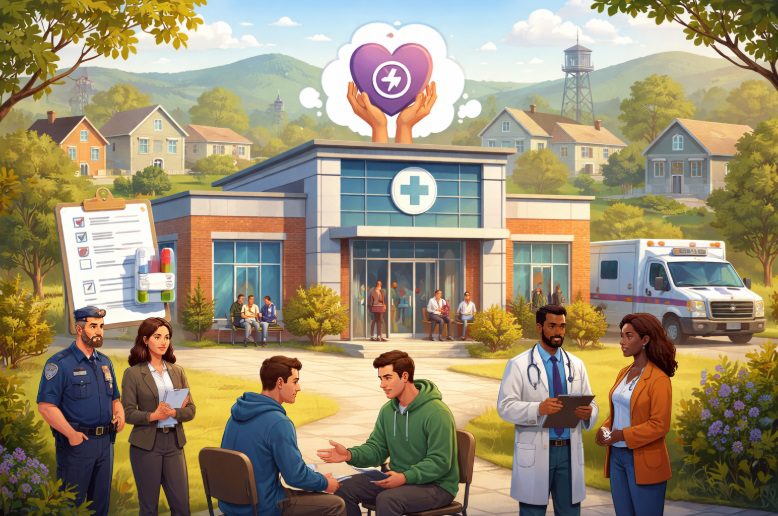
In Pennsylvania, conversations around addiction are shifting. What was once an issue often whispered about behind closed doors is now being addressed openly, with communities, healthcare providers, and policymakers rethinking how to support recovery. This shift reflects a growing understanding that addiction is not merely a personal failing, but a complex condition influenced by biology, environment, trauma, and social support systems.
Understanding the Complexity of Addiction
Historically, addiction was often treated as a moral issue. People struggling with substance use were judged harshly, and interventions leaned heavily on punishment or “tough love” approaches. Over time, research and clinical practice have shown that this framework fails to address the underlying causes of substance use disorders.
Today, Substance Disorder Treatment in PA focuses on a holistic approach. Modern care acknowledges the interplay of mental health, genetics, socioeconomic status, and trauma. Programs increasingly incorporate evidence-based therapies such as cognitive behavioral therapy, motivational interviewing, and trauma-informed care. These strategies aim to address not just the symptoms of addiction, but the factors that contribute to its development and persistence.
The Role of Local Communities
One of the most important shifts in Pennsylvania has been the recognition that recovery does not occur in isolation. Local communities play a vital role in creating environments that foster healing and resilience.
Support networks can take many forms. Peer support groups, family education programs, and neighborhood initiatives all contribute to a sense of belonging and accountability. In many towns and cities, community organizations have partnered with health professionals to create spaces where individuals in recovery can access resources, connect with others who understand their experiences, and participate in structured activities that promote well-being.
Research consistently shows that social support reduces the risk of relapse. Feeling connected, understood, and valued can make a meaningful difference in recovery outcomes. This has led to a more community-oriented model of addiction care, one that emphasizes connection as much as clinical intervention.
Integrating Mental Health and Substance Use Care
Another important trend in Pennsylvania is the integration of mental health services into addiction care. It is now widely recognized that many individuals seeking treatment for substance use disorders also experience co-occurring mental health conditions such as depression, anxiety, or PTSD.
Integrated care models, where mental health professionals collaborate with addiction specialists, provide a more comprehensive approach. Individuals receive treatment for both substance use and mental health concerns simultaneously, reducing the likelihood of relapse and promoting long-term recovery. Communities are also becoming more informed about mental health, fostering environments where seeking help is normalized rather than stigmatized.
The Impact of Harm Reduction Strategies
Harm reduction strategies have become a more prominent part of the conversation in Pennsylvania. These approaches focus on reducing the negative consequences of substance use without necessarily requiring immediate abstinence. Examples include needle exchange programs, safe-use education, and overdose prevention initiatives.
While harm reduction has sometimes sparked debate, evidence suggests it increases engagement with formal treatment and reduces health risks. By meeting individuals where they are, communities can help them transition into structured Substance Disorder Treatment programs at their own pace. This approach emphasizes compassion and realistic expectations, acknowledging that recovery is often nonlinear.
Families as Partners in Recovery
Families are increasingly recognized as critical participants in recovery. Addiction affects trust, communication, and family dynamics, and the healing process often requires attention to these relationships.
Family education programs in Pennsylvania teach relatives how to set healthy boundaries, offer support without enabling, and navigate the emotional challenges of a loved one’s recovery. When families are equipped with knowledge and support, they become an integral part of a person’s recovery journey, strengthening the overall network that sustains long-term healing.
Addressing Social and Economic Factors
Substance use disorders do not exist in a vacuum. Access to employment, stable housing, healthcare, and education all influence recovery outcomes. Pennsylvania communities are increasingly aware of these social determinants and are exploring ways to address them.
Job training programs, supportive housing initiatives, and accessible healthcare services create conditions where individuals in recovery have a greater chance of success. Recognizing that addiction intersects with social and economic factors allows communities to implement solutions that go beyond treatment itself, building resilience and stability for individuals and families.
The Changing Conversation About Addiction
Perhaps the most notable change in Pennsylvania is the evolving narrative around addiction. Public discussion now emphasizes empathy, understanding, and evidence-based strategies rather than shame and stigma. Stories of resilience and recovery are shared openly, helping to normalize help-seeking behaviors and reduce isolation.
Digital platforms have amplified these voices. Personal accounts, community initiatives, and educational campaigns provide visibility and hope. They remind individuals that recovery is possible, that relapse is a common part of the journey, and that communities can provide meaningful support along the way.
Looking Ahead
The evolving approach to addiction care in Pennsylvania reflects broader trends across the country. Treatment is becoming more comprehensive, community-oriented, and grounded in science. Local initiatives, peer support networks, and family involvement are increasingly seen as essential components of recovery.
While challenges remain—such as disparities in access to care, ongoing stigma, and limited resources in certain areas—the direction is hopeful. Pennsylvania’s local communities are demonstrating that addiction care can be more than clinical intervention; it can be a collaborative effort that emphasizes connection, understanding, and long-term well-being.
Substance Disorder Treatment in PA is no longer just about stopping substance use. It is about creating environments where individuals can rebuild their lives, repair relationships, and participate fully in their communities. By continuing to evolve, Pennsylvania is setting an example for how local action, combined with evidence-based care, can transform lives and strengthen communities.
The conversation around addiction is no longer confined to clinics and treatment centers. It is happening in homes, community spaces, schools, and workplaces—reflecting a more compassionate, informed, and hopeful approach to recovery. For those navigating the challenges of addiction, this shift represents not only a change in care but also a profound opportunity for lasting transformation.