

True wellness extends far beyond managing symptoms or treating isolated ailments. The holistic approach to health recognizes that your body, mind, and spirit work together as an integrated system. One of the most powerful tools for supporting this whole-person wellness is functional movement training. Unlike isolated gym exercises that target single muscles, functional training mimics real-world movements your body performs daily, building strength and resilience in ways that directly support your overall quality of life.
Functional strength training works with your body’s natural design rather than against it. When you engage in movements that your body naturally performs, you activate complex muscle groups, improve coordination, and build practical strength that translates to everyday capability. This approach aligns perfectly with holistic wellness principles: supporting your body’s inherent capacity to heal, adapt, and thrive.
Key Takeaways
- Functional movement training supports your body’s natural healing mechanisms
- Real-world movement patterns build practical strength applicable to daily life
- Kettlebell training develops full-body integration and core stability
- Regular functional training improves balance, coordination, and proprioception
- Movement is foundational to holistic wellness alongside nutrition and mental health
- Functional fitness reduces injury risk by building stability and strength naturally
- Consistent training enhances energy levels, sleep quality, and mental clarity
- Progressive loading teaches your body to adapt and become more resilient
The Connection Between Movement and Holistic Wellness
Holistic medicine recognizes that movement is medicine. Your body evolved to move in diverse, functional patterns. When you limit activity or perform repetitive motions only, your body becomes inefficient, compensation patterns develop, and injury risk increases. Functional training restores balanced strength and movement capability across your entire body.
Physical activity influences every system in your body. Movement stimulates circulation, enhances lymphatic drainage, improves digestion, promotes better sleep, and elevates mood through natural endorphin production. When integrated into a wellness lifestyle alongside proper nutrition and stress management, functional training amplifies your body’s natural healing capacity.
The principle of progressive adaptation drives functional training. Your body adapts to the demands placed upon it. Gradually increasing training demands teaches your body to become stronger, more mobile, and more resilient. This natural adaptation process honors your body’s inherent wisdom and capacity to improve.
Understanding Functional Movement Patterns
Functional movements mirror activities your body performs naturally: pushing, pulling, squatting, hinging, rotating, and carrying. These fundamental patterns appear throughout daily life whether you’re lifting groceries, playing with grandchildren, or maintaining your home. Building strength in these patterns prevents injury and maintains capability across your lifespan.
Squatting movements are foundational. Your body squats when sitting in chairs, standing from seats, picking objects from floors, and climbing stairs. Building squat strength prevents falls, reduces knee stress, and maintains independence in aging. Proper squat mechanics protect your joints while building leg and core strength.
Pushing and pulling patterns develop upper body strength applicable to countless activities. Carrying movements build practical strength for transporting heavy objects while maintaining proper posture and protecting your spine. Rotational movements preserve the mobility and strength needed for twisting, turning, and side-to-side activities throughout your day.
Why Kettlebells Excel for Functional Fitness
Kettlebells are exceptional tools for functional training because their design demands active stabilization throughout movements. Unlike dumbbells with balanced weight distribution, kettlebells have an offset center of gravity. This asymmetry requires your stabilizer muscles to work harder, engaging your entire body during every movement. Your core, shoulders, and grip must all stabilize the implement, building integrated strength throughout your kinetic chain.
The unique shape and grip of kettlebells promote natural movement patterns. Swinging motions develop powerful hip extension, explosive power, and cardiovascular conditioning simultaneously. Turkish get-ups teach mobility, stability, and coordination through complete full-body movements. Carries build practical strength for transporting weight while maintaining posture and balance.
Kettlebell training develops what’s called “functional strength”: real-world capability applicable outside the gym. Someone strong with kettlebells can lift groceries easily, carry children without strain, and move through life with capability and confidence. This practical strength directly supports daily independence and quality of life.
Progressive Loading and Adaptive Capacity
Your body improves through progressive challenge. Starting with lighter kettlebells and gradually increasing weight teaches your body to become stronger without forcing unnatural adaptation. This gradual progression prevents injury while maximizing beneficial adaptation.
Progressive loading principle applies beyond just weight. You can increase difficulty by improving movement quality, performing more repetitions, reducing rest between sets, or combining movements into complex sequences. Multiple variables allow endless progression without requiring heavier kettlebells.
Recovery and adaptation occur during rest periods, not during training itself. Adequate sleep, proper nutrition, and stress management allow your body to rebuild stronger in response to training stimulus. Holistic wellness requires attention to all these elements working together, not training intensity in isolation.
Building Core Strength Through Functional Movement
Your core represents far more than abdominal muscles. The core is your body’s central stability system, including deep abdominal muscles, back extensors, lateral stabilizers, and pelvic floor muscles. True core strength requires developing all these areas through integrated movement rather than isolated sit-ups.
Functional kettlebell movements naturally develop comprehensive core strength. Swinging movements require explosive core engagement to decelerate and control momentum. Carries demand constant core tension to stabilize your spine against external load. Turkish get-ups activate every core muscle throughout a complete full-body movement.
Strong core function protects your spine, improves posture, enhances balance, and builds the foundation for all athletic capability. As you age, core strength becomes increasingly important for maintaining independence, preventing falls, and preserving quality of life. Functional training builds this critical foundation throughout your lifespan.
Improving Balance and Proprioception
Balance and body awareness naturally decline with age if not maintained through regular training. Functional kettlebell movements challenge your balance constantly, developing the neuromuscular coordination required to remain stable through various positions and movements. This improved balance directly prevents falls, one of the most common causes of injury in aging populations.
Proprioception, your body’s sense of position in space, improves dramatically through functional training. Single-leg movements, asymmetrical loading, and dynamic exercises all challenge your proprioceptive system, forcing constant neurological adjustment and adaptation. Enhanced proprioception translates to better coordination, improved athletic capability, and greater safety during daily activities.
Your nervous system requires stimulation to maintain and improve proprioceptive function. Functional training provides exactly this type of stimulation, teaching your body to move with greater awareness and control. This neurological development complements the physical strength gains from training.
The Cardiovascular Benefits of Kettlebell Training
Functional kettlebell training provides cardiovascular conditioning without high-impact running or excessive joint stress. Kettlebell swings, for example, combine strength training with cardiovascular stimulation, elevating heart rate while building power. This combination produces fitness benefits efficiently, saving time while delivering comprehensive results.
The cardiovascular adaptation from functional training improves circulation throughout your body. Enhanced circulation delivers oxygen and nutrients more efficiently while improving waste removal. These circulation improvements support your body’s natural healing and recovery processes.
Consistent functional training improves aerobic capacity, allowing better oxygen utilization. As aerobic capacity increases, daily activities feel less demanding. Climbing stairs, walking, and movement throughout your day all become easier as your body becomes more efficient.
Discovering Quality Kettlebell Equipment
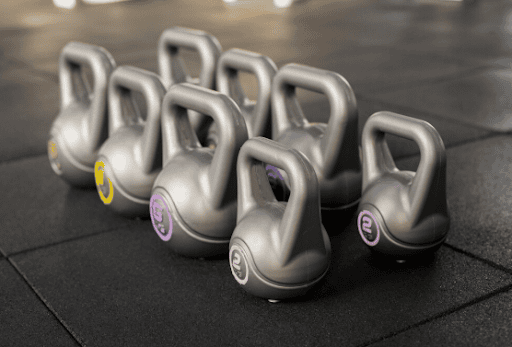
Kettlebells vary substantially in quality, materials, and design. Cheap kettlebells with unbalanced weight distribution, rough handles, and poor construction frustrate training and create injury risk. Investing in quality kettlebells from reputable manufacturers provides better training experiences and longer-lasting equipment.
When selecting kettlebells, consider comfort, balance, and durability. Your hands will spend significant time gripping the kettlebell, so handle texture matters for comfort and safety. Balanced weight distribution allows natural movement patterns. Quality construction ensures your equipment withstands years of consistent training.
Starting with lighter weights and progressing gradually suits functional training perfectly. You can discover kettlebells from quality manufacturers that support your training journey at every level, from beginner through advanced. Quality equipment investment supports consistent training that builds real results.
Integration With Holistic Wellness Practices
Functional training represents one component of comprehensive wellness alongside nutrition, stress management, sleep, and mental health. The synergy between these elements creates far greater results than any single factor alone. Movement supports better sleep, stress reduction, and mental clarity while nutrition fuels training adaptation and recovery.
Many people discover that regular functional training improves their relationship with their body. Building practical strength and capability increases confidence and body awareness. This positive relationship with physical capability supports mental health and emotional wellness. Functional training becomes empowering rather than punishing.
Combining functional training with complementary wellness practices like yoga, meditation, or tai chi creates balanced development. Some people benefit from the holistic wellness approaches that address physical, emotional, and mental health together. Functional movement naturally complements these integrated wellness practices.
Building Sustainable Training Habits
Sustainable training requires consistency more than intensity. Regular, moderate training sustained over months and years produces far superior results compared to intense training followed by extended rest periods. Your body adapts best to consistent stimulus, not sporadic high-effort sessions.
Starting with realistic commitments prevents burnout. Two or three training sessions weekly provides ample stimulus for continuous improvement. Consistency matters far more than frequency, so sustainable commitment produces better long-term results than ambitious programs you abandon after weeks.
Progressive training builds capability gradually. Each training session contributes to ongoing adaptation. Over months and years, these incremental improvements compound into dramatic capability changes. Someone training consistently for five years becomes remarkably capable compared to their starting point.
Safety Considerations for Functional Training
Proper movement mechanics prevent injury during functional training. Learning correct form from qualified instructors before heavy training prevents compensation patterns that create injury. Poor movement patterns cause problems that develop gradually then appear suddenly as injury.
Listen to your body’s signals throughout training. Discomfort that improves with warm-up continues fine. Sharp pain, instability feeling, or sensations suggesting something is wrong require stopping immediately and assessing. Your body communicates through sensation; learning to interpret these signals prevents injury.
Recovery and adequate rest prevent overtraining. Rest days allow adaptation and prevent cumulative fatigue that leads to injury. Sleep quality, nutrition, and stress management all influence recovery capacity. Ignoring recovery factors while training aggressively creates injury risk despite good intentions.
FAQ
Q: Is kettlebell training suitable for beginners? A: Yes, absolutely. Kettlebell training works for all fitness levels because you choose the weight. Start light, learn proper movement patterns, then progress gradually. Beginners typically start with 8-12 kg kettlebells before advancing.
Q: How often should someone train with kettlebells? A: Two to four training sessions weekly provides excellent stimulus. More frequent training is possible with proper recovery, but consistency matters more than frequency. Most people benefit from training 2-3 times weekly as part of balanced activity.
Q: Can kettlebell training help with weight management? A: Yes, functional training improves body composition through improved metabolism, muscle development, and enhanced physical activity. Combined with proper nutrition, regular functional training supports healthy weight management effectively.
Q: Are kettlebells safe for older adults? A: Yes, when trained properly with appropriate weights. Functional training’s emphasis on natural movement patterns makes it excellent for maintaining strength, balance, and independence through aging. Always consult your healthcare provider before starting new training.
Q: How do kettlebells compare to dumbbells for functional training? A: Both tools have benefits, but kettlebells excel at functional training because their offset weight distribution demands stabilizer muscle engagement. Kettlebells develop integrated strength; dumbbells allow higher loads. Combining both tools provides comprehensive benefits.
Q: What if someone has existing joint issues? A: Functional training often helps manage joint issues through improved stabilization and strength balance. However, individuals with existing injuries should work with qualified professionals to modify movements appropriately. Never train through pain.
Q: How long before seeing results from kettlebell training? A: Most people notice improved strength and endurance within 2-3 weeks of consistent training. Visible body composition changes typically appear within 4-8 weeks. Long-term capability improvements and aging-related benefits develop over months and years.
Q: Can kettlebell training be done at home? A: Yes, kettlebell training requires minimal space. A few kettlebells, adequate floor space, and clear ceiling height are sufficient. Home training offers convenience and consistency benefits that support long-term adherence.
Q: What’s the best way to progress kettlebell training? A: Progress by increasing weight, improving movement quality, performing more repetitions, reducing rest periods, or combining movements into sequences. Multiple progression options allow endless advancement without requiring maximum weight.
Q: Should someone do other exercise alongside kettlebell training? A: Kettlebell training provides comprehensive fitness benefits, but complementary activities like yoga, walking, or swimming enhance overall wellness. Cross-training prevents adaptation plateaus and addresses different fitness qualities.