Doctrine of Signature and Symbolism of Marine Remedies in Homoeopathy
Abstract :
Marine remedies represent a distinctive group in homoeopathic materia medica derived from organisms inhabiting the ocean environment. The biological characteristics and ecological adaptations of marine organisms often correspond to psychological and physical patterns observed in homoeopathic remedy pictures. The Doctrine of Signatures provides a symbolic framework for understanding these remedies by relating the structure, habitat, and behavior of marine organisms to their therapeutic indications. This article discusses the symbolism and characteristic themes of important marine remedies such as Sepia officinalis, Natrum muriaticum, Calcarea carbonica, and Corallium rubrum.
Keywords: Marine remedies, Doctrine of Signatures, Homoeopathy, Symbolism, Materia Medica
Introduction
Homoeopathic medicines are derived from natural sources including plants, minerals, animals, and marine organisms. Marine remedies form a unique group within homoeopathic materia medica because they originate from organisms living in the ocean environment, which is characterized by depth, fluidity, and continuous environmental change.
Marine organisms possess specialized survival mechanisms such as protective shells, defensive secretions, and structural adaptations. These characteristics symbolically correspond to emotional sensitivity, protective behavior, and adaptability often observed in patients requiring marine remedies.
Doctrine of Signatures :
The Doctrine of Signatures is an ancient concept suggesting that nature provides indications of medicinal properties through the appearance, structure, or habitat of natural substances. In traditional medical philosophy, this concept helped physicians associate natural characteristics with therapeutic uses.
In homoeopathy, this doctrine may serve as a symbolic interpretative approach to understand remedy pictures. Observing the biological characteristics of marine organisms can reveal themes that correspond to emotional and physical states described in homoeopathic materia medica.
Symbolic Themes of Marine Remedies :
Marine remedies frequently demonstrate characteristic themes that reflect the ecological environment of marine organisms.
Emotional Depth:
The ocean environment symbolizes emotional depth and subconscious sensitivity.
Protection and Defense:
Shells, coral structures, and defensive mechanisms represent emotional defense and protection.
Adaptation and Survival:
Marine organisms constantly adapt to environmental pressures such as tides and currents, symbolizing resilience and adaptability.
Key Symbolic Themes of Marine Remedies:
| Theme | Marine Representation | Homoeopathic Interpretation |
| Emotional Depth | Ocean depth and fluidity | Emotional sensitivity |
| Protection | Shells and coral structures | Defensive personality |
| Adaptation | Survival in changing tides | Difficulty adjusting to circumstances |
| Sensitivity | Rapid response to environment | Hypersensitivity |
| Isolation | Vast ocean environment | Withdrawal and loneliness |
Classification of Marine Remedies :
| Category | Examples |
| Marine animals | Sepia, Medusa |
| Shell remedies | Calcarea carbonica, Ostrea |
| Marine salts | Natrum muriaticum |
| Coral remedies | Corallium rubrum |
| Marine molluscs | Murex purpurea |
| Marine sponge | Spongia marina |
Important Marine Remedies :
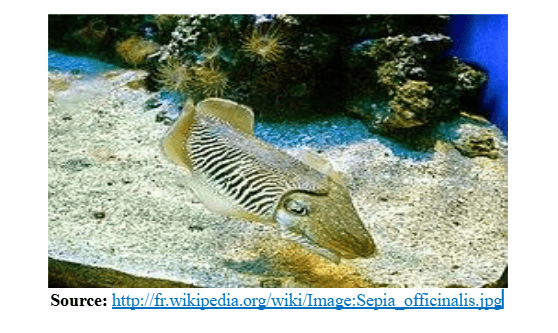
- SEPIA OFFICINALIS (Cuttlefish)
The cuttlefish releases a cloud of ink to escape predators. Symbolically this defensive mechanism represents emotional withdrawal.
The Key Concept of Sepia officinalis :
- Indifference toward loved ones
- Irritability and emotional exhaustion
- Desire for solitude
- Bearing-down sensation in pelvic organs
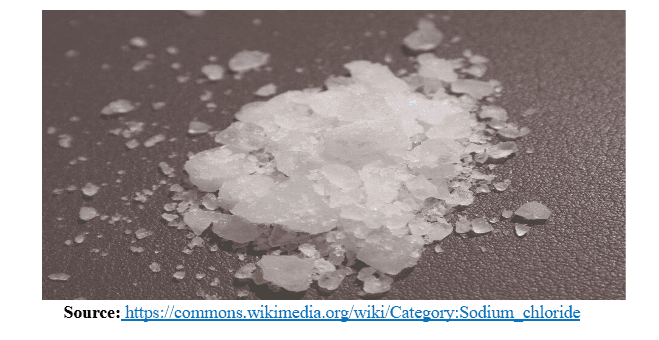
- NATRUM MURIATICUM (Sea salt crystals)
Salt has historically been associated with tears and emotional suffering.
The Key Concept of Natrum muriaticum :
- Silent grief
- Reserved personality
- Dwelling on past emotional trauma
- Headache aggravated by sunlight
- CALCAREA CARBONICA (Oyster Shell)
The protective oyster shell symbolizes security and vulnerability.
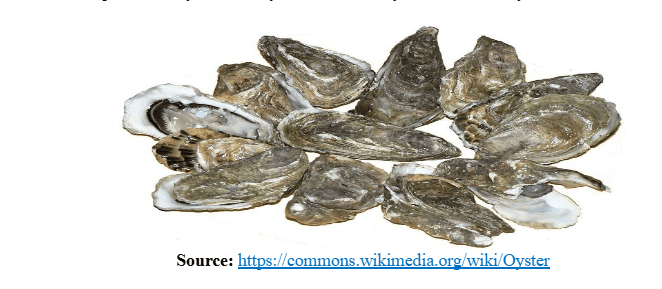
The Key Concept of Calcarea carbonica :
- Anxiety about health
- Fatigue and slow metabolism
- Perspiration of the head
- Desire for eggs
- CORALLIUM RUBRUM (Red coral)
Coral forms rigid colonies that support marine ecosystems.
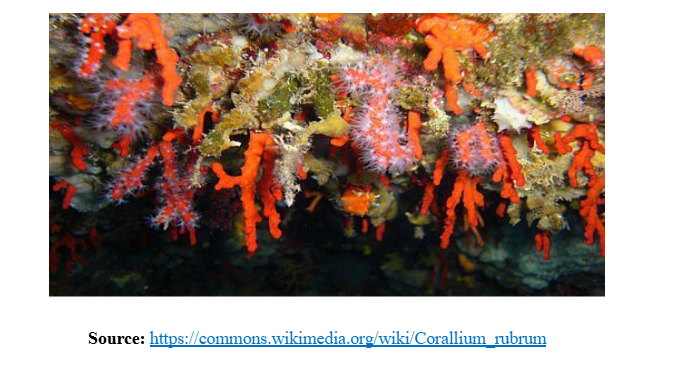
The Key Concept of Corallium rubrum :
- Spasmodic cough
- Sudden violent symptoms
- Rapid onset of respiratory complaints
- MEDUSA (Jellyfish)
The stinging tentacles of the jellyfish symbolize hypersensitivity
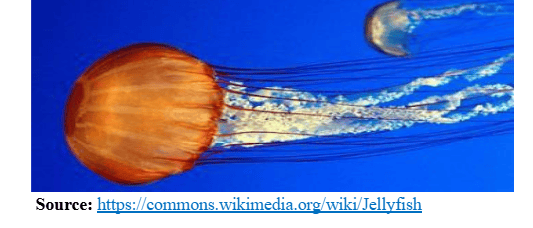
The Key Concept of Medusa :
- Hypersensitivity
- Nervous irritability
- Stinging neuralgic pains
Other Marine Remedies :
Murex purpurea
- Uterine complaints
- Increased sexual excitement
- Emotional sensitivity
Concha marina
- Nervous irritability
- Hypersensitivity to noise
Ostrea edulis
- Weakness and fatigue
- Nutritional deficiency states
Spongia marina
- Dry barking cough
- Respiratory irritation
Discussion :
Marine remedies often demonstrate themes of emotional depth, protection, sensitivity, and adaptation. These characteristics appear to reflect the biological features and survival strategies of marine organisms. The Doctrine of Signatures offers a symbolic perspective that may help practitioners understand the relationship between natural characteristics and remedy pictures.
However, such interpretations should always be supported by drug provings, clinical observation, and repertorial analysis, which remain the foundation of homoeopathic practice.
Conclusion :
Marine remedies represent an important group within homoeopathic materia medica. Their biological characteristics and ecological adaptations provide symbolic insights into emotional and physiological patterns observed in patients. Understanding these themes may contribute to a deeper appreciation of marine remedies and their therapeutic applications in homoeopathic practice.
References :
- Boericke, W. Pocket Manual of Homoeopathic Materia Medica. New Delhi: B. Jain Publishers.
- Clarke, J. H. A Dictionary of Practical Materia Medica. New Delhi: B. Jain Publishers.
- Kent, J. T. Lectures on Homoeopathic Materia Medica. New Delhi: B. Jain Publishers.
- Evans, J. (2009). Sea Remedies: Evolution of the Senses. Emryss Publishers.
- Wood, M. (2004). The Practice of Traditional Western Herbalism: Basic Doctrine, Energetics, and Classification. North Atlantic Books.
- Bennett, B. C. (2016). Doctrine of Signatures Through Two Millennia.
- Patil, D. A. (2015). The Doctrine of Signatures: A Warfare Between Myth and Reality. Life Sciences Leaflets.
- Ramnarayan, S. (2014). Comparative Analysis of Homeopathic Proving and Doctrine of Signatures.