Abstract
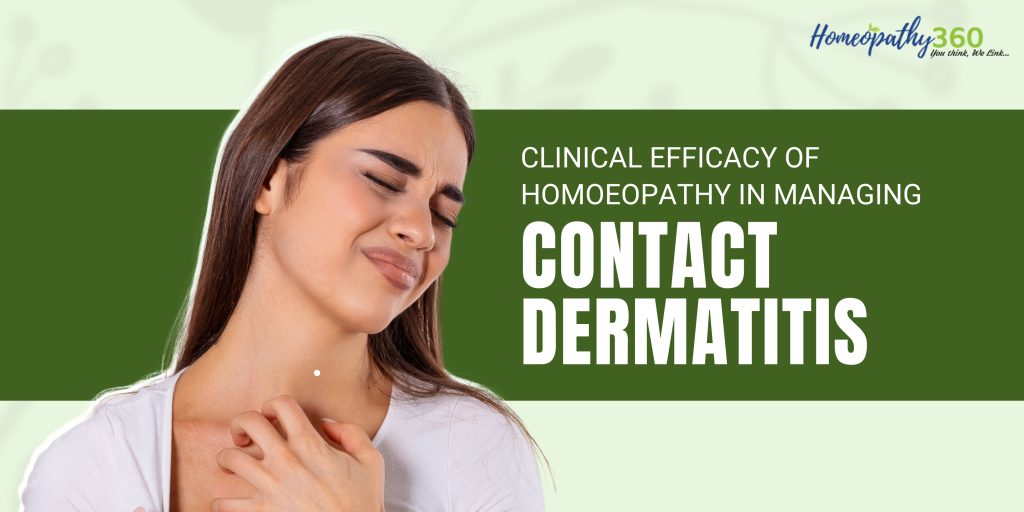
Contact dermatitis is a type of inflammatory skin condition characterized by eczema. It can arise from exposure to various chemicals or metal ions that cause harm without triggering an immune response (known as irritants), or from small reactive substances that interact with proteins, leading to both innate and adaptive immune reactions (referred to as allergens). There are two main forms of contact dermatitis: irritant contact dermatitis and allergic contact dermatitis.
Irritant contact dermatitis occurs as a general reaction of the skin to direct chemical injury, resulting in the release of inflammation mediators mainly from the skin’s outer layer. Conversely, allergic contact dermatitis is a delayed immune reaction (type 4 hypersensitivity) triggered by contact with specific antigens from the environment. This immunological response is influenced by the interplay of cytokines and T cells.
In cases of photo contact allergic dermatitis, the lesions appear only on the skin that has been exposed to sunlight, even if the allergen has touched areas that are not sunlit. This overview looks into the causes, underlying mechanisms, and diagnosis of contact dermatitis while underscoring the importance of a collaborative approach among healthcare professionals in managing the condition.
Introduction
Contact dermatitis is a type of skin condition characterized by inflammation and eczema. It occurs when the skin comes into contact with certain chemicals or metal ions, which can either cause direct damage (known as irritants) without triggering a T-cell response, or activate the immune system through small reactive chemicals that modify proteins (known as allergens). [1][2][3][4]
This condition is generally classified into two types: irritant contact dermatitis and allergic contact dermatitis. Irritant contact dermatitis happens when the skin reacts to a chemical irritant, leading to inflammation primarily from skin cells in the epidermis. On the other hand, allergic contact dermatitis is a delayed hypersensitivity reaction (specifically type 4) to foreign antigens that come into contact with the skin, involving cytokines and T cells in its immunological response. Interestingly, in cases of photo contact dermatitis, the lesions appear only on areas exposed to sunlight, even if the allergen affects covered skin.While it was previously thought that allergic contact dermatitis was uncommon, recent data reveals that nearly 20% of children are actually affected by it. The encouraging aspect is that most cases of contact dermatitis resolve on their own and can usually be managed with straightforward supportive care. However, for some individuals, the condition may persist and could have a significant impact on their quality of life.
Etiology
Irritant Contact Dermatitis
The risk of developing irritant contact dermatitis increases with several factors, such as how long the skin is exposed, the strength and concentration of the irritant. Substances that can cause irritation include both chemical and physical agents, as well as minor skin injuries. Physical irritants, including friction, abrasions, types of occlusion, and cleaning agents like sodium lauryl sulfate, often lead to more pronounced irritant contact dermatitis when they occur in combination rather than in isolation. [5][6]
The severity of irritant contact dermatitis hinges on several elements, including the amount and strength of the irritant, alongside how often and how long the skin is exposed. Individual skin characteristics—whether it is thick, thin, oily, dry, very light, previously damaged, or predisposed to atopic conditions—also play a significant role. Additionally, environmental factors like temperature and humidity can greatly influence the severity of the condition.
Allergic Contact Dermatitis
Allergic contact dermatitis is commonly triggered by allergens such as nickel, balsam of Peru, chromium, neomycin, formaldehyde, thiomersal, fragrance mix, cobalt, and parthenium. [7] In the United States, poison ivy (scientifically known as Toxicodendron, formerly Rhus) is recognized as a leading cause of this condition, [8] affecting around 50-70% of the adult population who are sensitive to poison ivy or poison oak. [8] When urushiol, the compound responsible for the allergic reaction, comes into contact with the skin, it is crucial to wash the area thoroughly and promptly. Studies indicate that washing with regular soap, like Dial, is effective and should be done within two hours of exposure. [8] If the urushiol oil remains on the skin beyond this timeframe, high
potency topical steroids may help reduce inflammation if applied within 12 hours of contact. [9] However, it’s important to note that low-potency topical steroids provide minimal relief, and even high-potency options may not significantly alleviate symptoms once blisters have formed. [9]
Epidemiology
Individuals such as females, infants, the elderly, and those with atopic tendencies face a higher risk of developing irritant contact dermatitis. Reports indicate that as many as 80% of occupational dermatitis cases fall under this category. [10]
All people can develop allergic contact dermatitis, with certain factors increasing the risk—these include age, occupation, and prior history of atopic dermatitis. In general, contact dermatitis tends to be more prevalent among individuals with red hair and fair skin. Women are particularly at risk due to their use of jewelry and fragrances.
Pathophysiology
Irritant Contact Dermatitis
This condition results from significant inflammation triggered by proinflammatory cytokines released from keratinocytes, typically in response to chemical stimuli. It primarily leads to the disruption of the skin barrier, alterations in epidermal cells, and additional cytokine release.
Irritants can be categorized based on their toxicity levels: cumulatively toxic substances (like hand soap causing irritant dermatitis in a hospital worker), subtoxic, degenerative, or toxic agents (such as exposure to hydrofluoric acid in a chemical setting).
Allergic Contact Dermatitis
This type of dermatitis involves T-cell mediated inflammation of the skin, which occurs in individuals who have been sensitized through repeated exposure to haptens.
Allergic contact dermatitis unfolds in two distinct phases. The first is the sensitization phase, where antigen-specific effector T cells are generated in the draining lymph nodes from antigen-loaded cutaneous dendritic cells that migrate from the skin. The second is the elicitation phase, during which effector T cells are activated in the skin by antigen-presenting cutaneous dendritic cells, resulting in the release of various chemical mediators that lead to a targeted inflammatory response.
When an allergen triggers irritation in the presence of light, it results in photo contact dermatitis.
Contact urticaria typically manifests as a ‘wheal and flare’ reaction upon exposure to the offending topical agent. Although most instances are mild, there is potential for anaphylactic reactions. Common types of contact urticaria include reactions to cold, dermatographism, pressure, exercise, sunlight, heat, and cholinergic stimuli.
Moreover, contact dermatitis can develop after contact with plants belonging to the Urticaceae family.
Histopathology
Contact irritant dermatitis presents with mild spongiosis, epidermal cell necrosis, and neutrophilic infiltration of the epidermis, while in allergic contact dermatitis dermal inflammatory infiltrates predominately contains lymphocytes and other mononuclear cells.
History and Physical
Symptoms of irritant contact dermatitis may manifest as burning, itching, stinging, soreness, and pain, especially at the onset of the clinical course, whereas pruritus is more prevalent in allergic contact dermatitis. Individuals with a prior history are at a heightened risk for developing nonspecific hand dermatitis and irritant contact dermatitis.
Both irritant contact dermatitis and allergic contact dermatitis can exhibit three distinct morphological patterns.
• Acute phase: erythema, edema, oozing, crusting, tenderness, vesicles, or pustules • Subacute phase: crusts, scales, and hyperpigmentation
• Chronic phase: Lichenification.
The hands are a frequent site for contact allergic dermatitis.
There are no pathognomonic clinical signs or symptoms that can distinguish between allergic contact dermatitis and irritant contact dermatitis.
The acute irritant reaction typically peaks rapidly, within minutes to a few hours following exposure, and then begins to heal, while in allergic contact dermatitis, the elicitation time is contingent upon the characteristics of the sensitizer, the intensity of exposure, and the degree of sensitivity. Lesions generally manifest 24 to 72 hours post-exposure to the causative agent and reach their peak around 72 to 96 hours. Allergic contact dermatitis tends to improve more gradually than irritant contact dermatitis and recurs more swiftly (within a few days) upon re-exposure.
Common allergens that can induce allergic contact dermatitis include the following –
1. Paraphenylenediamine (PPD) found in hair dye; a frequent cause of allergic contact dermatitis on the scalp, face, and ears.
2. Neomycin and bacitracin applied to areas affected by stasis dermatitis and leg ulcers may result in allergic contact dermatitis on the legs and feet.
3. Topical neomycin and corticosteroids can provoke allergic contact dermatitis in patients suffering from otitis externa.
4. In women with lichen sclerosus et atrophicus, benzocaine applied for pruritus ani and pruritus vulvae may lead to allergic contact dermatitis.
5. Nickel is the most prevalent metal causing allergic contact dermatitis.
Different clinical patterns of allergic contact dermatitis include erythema multiforme, urticarial papular plaques, lichen-planus, lichenoid eruptions, purpuric petechial reactions, dermal reactions, lymphomatoid contact dermatitis, granulomatous and pustular reactions, pigmentation disturbances, or pemphigoid.
Evaluation
The history of occupation, hobbies, and any current or past oral medications is crucial for the diagnosis of contact dermatitis. Patch testing is regarded as the gold standard for diagnosing contact allergic dermatitis and is utilized to ascertain the specific cause. This test primarily operates on the principle of a. The patch test kit contains various chemicals found in metals (such as nickel), rubber, leather, formaldehyde, lanolin, fragrances, toiletries, hair dyes, medicinal products, food, beverages, preservatives, and other additives. Patch testing is instrumental in identifying substances that may trigger a delayed-type allergic reaction. It elicits a localized allergic response on a small section of the patient’s back, where diluted chemicals are applied. [11][12]
Allergens are introduced using Finn chambers and placed on the back. The patches are removed after 48 hours, and the final results are evaluated 48 to 72 hours later. The grading of reactions is conducted according to the guidelines established by the International Contact Dermatitis Research Group.
• Negative (-)
• Irritant reaction (IR)
• Equivocal / uncertain (+/-)
• Weak positive (+)
• Strong positive (++)
• Extreme reaction (+++)
For patients with a nickel allergy, a few drops of dimethylgloxime and hydroxide solutions are applied using a cotton tip applicator and rubbed onto the metallic surface of the jewelry. If a pink color appears on the applicator, it indicates a positive test for nickel. Women with nickel allergies can conduct this test at home on their jewelry to check for the presence of nickel.
Treatment / Management
Homoeopathic Therapeutics Of Contact Dermatitis
Rhus Toxicodendron –
1. Keynote: Vesicular eruptions with intense itching, oozing, and restlessness.
2. Modalities: Worse at night, in cold damp weather, and from scratching; better from warmth and motion.
3. Indications: Acute allergic dermatitis, especially after exposure to plants or chemicals.
Graphites –
1. Keynote: Sticky, honey-like discharge with rough, dry, cracked skin.
2. Modalities: Worse from warmth and at night; better in cool air.
3. Indications: Chronic dermatitis with eczema-like eruptions and fissures, particularly in flexures.
Sulphur –
1. Keynote: Burning and itching with unhealthy, dry, scaly skin prone to infection.
2. Modalities: Worse at night, from the heat of bed, and from bathing; better in open air and from cold.
3. Indications: Chronic or recurrent dermatitis; acts as a constitutional remedy.
Petroleum –
1. Keynote: Deep cracks and fissures with extremely dry, bleeding skin.
2. Modalities: Worse in winter, cold air, and after washing; better in warm weather.
3. Indications: Occupational or irritant dermatitis, especially of the hands due to soaps and chemicals.
Mezereum –
1. Keynote: Thick crusts under which pus oozes, with violent itching and burning.
2. Modalities: Worse from the warmth of bed; better in open air.
3. Indications: Vesicular and pustular dermatitis with scabs and discharge.
Cantharis –
1. Keynote: Vesicular eruptions resembling burns or scalds, with raw surfaces and severe burning pains.
2. Modalities: Worse from touch and rubbing; better from cold applications.
3. Indications: Acute dermatitis with blister formation.
Natrum muriaticum –
1. Keynote: Dry, raw, inflamed skin with vesicles that burst and leave crusts.
2. Modalities: Worse from heat and sun exposure; better from cool bathing and open air.
3. Indications: Chronic allergic contact dermatitis, especially in constitutional Natrum mur cases.
[13][14] [15][16] [17]
Differential Diagnosis
- Asteatotic eczema
- Contact Urticaria syndrome
- Drug-induced bullous disorders
- Drug-induced photosensitivity
- Irritant contact dermatitis
- Onycholysis
- Perioral dermatitis
- Phytophotodermatitis
- Tinea corporis
- Transient acantholytic dermatosis
Prognosis
The outlook for individuals suffering from contact dermatitis is influenced by the underlying cause and their lifestyle choices. Typically, isolated instances resolve once exposure to the triggering agent is halted. However, individuals who fail to adhere to this advice and persist in wearing metal jewelry or are frequently exposed to plants due to their lifestyle often experience a chronic condition. Recurrences are quite prevalent. In the medical field, latex allergy represents a widespread type of contact dermatitis, which can significantly affect clinical practices. Instances of anaphylaxis are frequently documented.
References
1. Basketter DA, Huggard J, Kimber I. Fragrance inhalation and adverse health effects: The question of causation. Regul Toxicol Pharmacol. 2019 Jun;104:151-156. [PubMed]
2. Romita P, Foti C, Calogiuri G, Cantore S, Ballini A, Dipalma G, Inchingolo F. Contact dermatitis due to transdermal therapeutic systems: a clinical update. Acta Biomed. 2018 Oct 26;90(1):5-10. [PMC free article] [PubMed]
3. Esser PR, Mueller S, Martin SF. Plant Allergen-Induced Contact Dermatitis. Planta Med. 2019 May;85(7):528-534. [PubMed]
4. Anderson LE, Treat JR, Brod BA, Yu J. “Slime” contact dermatitis: Case report and review of relevant allergens. Pediatr Dermatol. 2019 May;36(3):335-337. [PubMed] 5. Bingham LJ, Tam MM, Palmer AM, Cahill JL, Nixon RL. Contact allergy and allergic contact dermatitis caused by lavender: A retrospective study from an Australian clinic. Contact Dermatitis. 2019 Jul;81(1):37-42. [PubMed]
6. Kimyon RS, Warshaw EM. Airborne Allergic Contact Dermatitis: Management and Responsible Allergens on the American Contact Dermatitis Society Core Series. Dermatitis. 2019 Mar/Apr;30(2):106-115. [PubMed]
7. Shane HL, Long CM, Anderson SE. Novel cutaneous mediators of chemical allergy. J Immunotoxicol. 2019 Dec;16(1):13-27. [PubMed]
8. Stibich AS, Yagan M, Sharma V, Herndon B, Montgomery C. Cost-effective post exposure prevention of poison ivy dermatitis. Int J Dermatol. 2000 Jul;39(7):515- 8. [PubMed]
9. Vernon HJ, Olsen EA. A controlled trial of clobetasol propionate ointment 0.05% in the treatment of experimentally induced Rhus dermatitis. J Am Acad Dermatol. 1990 Nov;23(5 Pt 1):829-32. [PubMed]
10. Zander N, Sommer R, Schäfer I, Reinert R, Kirsten N, Zyriax BC, Maul JT, Augustin M. Epidemiology and dermatological comorbidity of seborrhoeic dermatitis: population-based study in 161 269 employees. Br J Dermatol. 2019 Oct;181(4):743-748. [PubMed]
11. Stingeni L, Bianchi L, Hansel K, Corazza M, Gallo R, Guarneri F, Patruno C, Rigano L, Romita P, Pigatto PD, Calzavara-Pinton P., “Skin Allergy” group of SIDeMaST and “SIDAPA” (Società Italiana di Dermatologia Allergologica, Professionale e Ambientale). Italian Guidelines in Patch Testing – adapted from the European Society of Contact Dermatitis (ESCD). G Ital Dermatol Venereol. 2019 Jun;154(3):227-253. [PubMed]
12. DeKoven JG, Warshaw EM, Zug KA, Maibach HI, Belsito DV, Sasseville D, Taylor JS, Fowler JF, Mathias CGT, Marks JG, Pratt MD, Zirwas MJ, DeLeo VA. North American
Contact Dermatitis Group Patch Test Results: 2015-2016. Dermatitis. 2018 Nov/Dec;29(6):297-309. [PubMed]
13. Boericke, W. (2005). Pocket Manual of Homoeopathic Materia Medica. New Delhi: B. Jain Publishers.
14. Allen, T.F. (1990). Encyclopedia of Pure Materia Medica. B. Jain Publishers. 15. Phatak, S.R. (2002). Materia Medica of Homoeopathic Medicines. B. Jain Publishers.
16. Hahnemann, S. (1996). Organon of Medicine (6th ed.). B. Jain Publishers. 17. Clarke, J.H. (1997). A Dictionary of Practical Materia Medica. B. Jain Publishers.
About the Author:
Dr. Deeksha Verma, M.D. Scholar, Department of Practice of medicine, Government Homoeopathic Medical College and Hospital, Bhopal, Madhya Pradesh, India.
Guided by : Dr. Babita Saxena, H.O.D., Department of Gynae and Obs, Government Homoeopathic Medical College and Hospital, Bhopal, Madhya Pradesh, India