
Abstract:
Anorectal fistula is a chronic abnormal tract connecting the anal canal to the perianal skin, commonly arising from an inadequately treated anorectal abscess. It presents with persistent discharge, pain, and discomfort, significantly affecting quality of life. Effective management requires proper classification, accurate diagnosis, and a balanced approach to treatment. This article provides a complete review of etiology, pathophysiology, clinical features, investigations, complications, and treatment. It also highlights the supportive role of Homoeopathic therapeutics in improving healing and reducing recurrence.
Keywords:
Anorectal fistula, Fistula in ano, Cryptoglandular infection, Seton, Homoeopathic therapeutics, Abscess.
Introduction:
Anorectal fistula is a common proctologic disorder caused by chronic infection of the anal glands. It significantly affects the patient’s daily functioning due to persistent discharge, pain, and social embarrassment. Though surgery remains the standard treatment, sphincter-preserving approaches and complementary therapies, including homoeopathy, are gaining attention for symptom modulation and recurrence prevention.
Definition:
An anorectal fistula is defined as a granulation-lined tract connecting the anal canal to the perianal skin, typically developing from an unresolved anorectal abscess.
Etiopathogenesis:
1. Cryptoglandular Theory (Most Common)
- Infection starts in anal glands located within the intersphincteric plane.
- Abscess forms and tracks outward.
- Inadequate drainage → formation of a persistent epithelial tract (fistula).
2. Secondary Causes
- Crohn’s disease
- Tuberculosis
- Trauma
- Radiation
- Malignancy
- Sexually transmitted infections (rare)
Classification:
A. According to Parks Classification
- Intersphincteric – Between internal and external sphincter.
- Transsphincteric – Traversing the external sphincter.
- Suprasphincteric – Extends upward above the puborectalis.
- Extrasphincteric – External to the sphincters, often secondary to trauma or Crohn’s disease.
B. Based on Complexity
- Simple fistula – Single tract, low type, no sphincter involvement.
- Complex fistula – High type, multiple tracts, recurrent, or associated with Crohn’s disease or TB.
Case
Introduction
Anorectal fistula commonly develops after an inadequately treated perianal abscess. In paediatric age-groups it is less common but clinically significant due to pain, discharge and recurrent infections. Homoeopathic therapeutics aim at reducing inflammation, controlling suppuration and promoting tissue healing through individualized remedy selectio
Case Presentation
Patient Profile
- Age/Sex: 8-year-old male child
- Chief Complaints (since 1 month):
- Painful perianal abscess
- Hard stool initially
- Painful defecation
- Recurrent pus / serous discharge
- Non-bleeding lesion
Physical Generals
- Appetite: 3 meals/day
- Thirst: ↓ (approx. 1 litre/day)
- Stool: Hard initially, unsatisfactory
- Urine: 2–3 times/day
- Sleep: Normal
- Perspiration: N/S
- Desire: Spicy food
- Thermal: Chilly patient
- Weight: 28 kg
Mental Generals
- Active child
- Difficulty focusing
- Insolent / obstinate tendencies
Clinical Examination
- Swelling and redness near anus
- External opening present
- Indurated tract palpable
- Pus discharge on pressure
- Pain on defecation
Investigations
On physical examination, signs consistent with perianal abscess with early fistulous tract formation were noted. No other systemic pathology evident.
Assessment & Diagnosis
Based on the symptoms of:
- Persistent pus discharge
- External opening
- Pain on defecation
- History of perianal abscess
→ Diagnosis of Anorectal Fistula was made.
Basis of Prescription
Reportorial totality indicated Mercurius solubilis as the closest similimum. Silicea was selected as an intercurrent for promoting drainage and tissue healing.
Treatment Timeline:
1st Prescription — 17/10/2025
- Mercurius solubilis 30CH – TDS × 4 days
After 4 days: - Silicea 30CH – TDS × 4 days
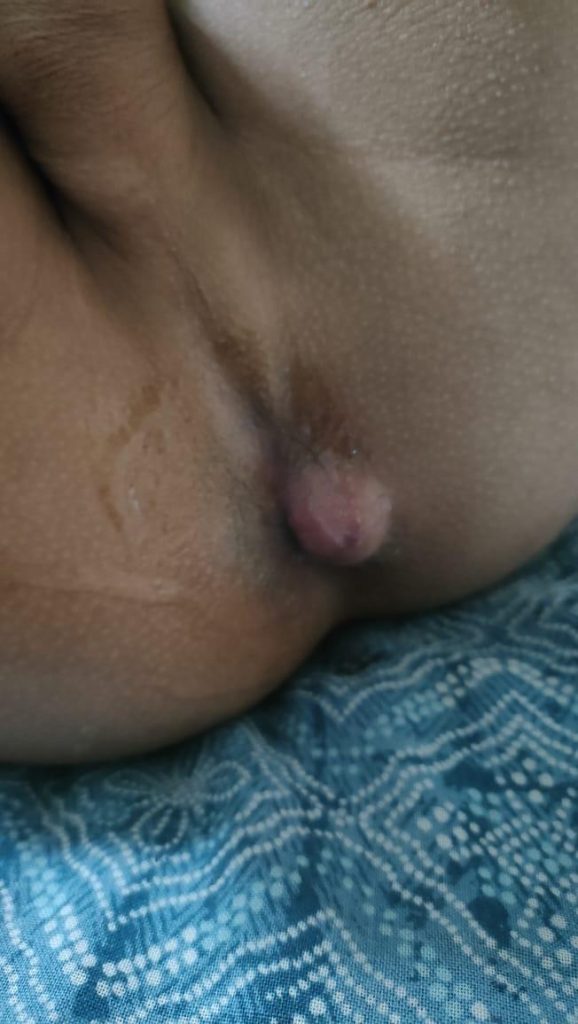
FIRST VISIT.
Follow-Up Record
2nd Visit — 23/10/2025
- Pain & swelling reduced
- Continued Silicea 30CH TDS × 4 days
3rd Visit — 26/10/2025
- Pus serous discharge persists
- Mild pain
- Silicea 30CH TDS × 4 days
4th Visit — 03/11/2025
- Discharge present, but pain & swelling reduced
- Mercurius sol. 30CH TDS × 1 day
- S.L 200 BD × 3 days
5th Visit — 06/11/2025
- No pain, minimal swelling
- Mercurius sol. 30CH BD × 7 days
6th Visit — 17/11/2025
- No new complaints
- S.L 200 BD × 3 days
Outcome:
- Marked improvement observed
- Pain subsided completely
- Swelling significantly reduced
- Discharge minimal to absent
- Child resumed normal routine activities
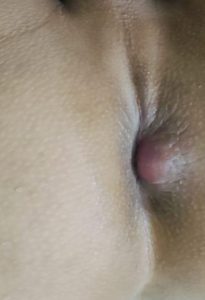
2nd visit on 23/10/25
3rd visit on 26/10/25
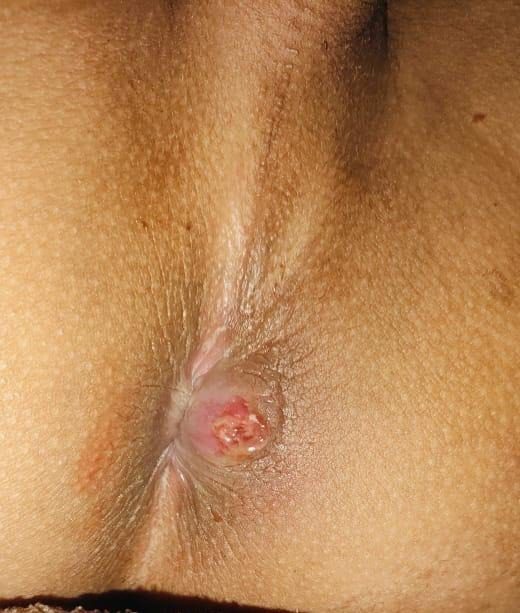
4th visit on 03/11/25
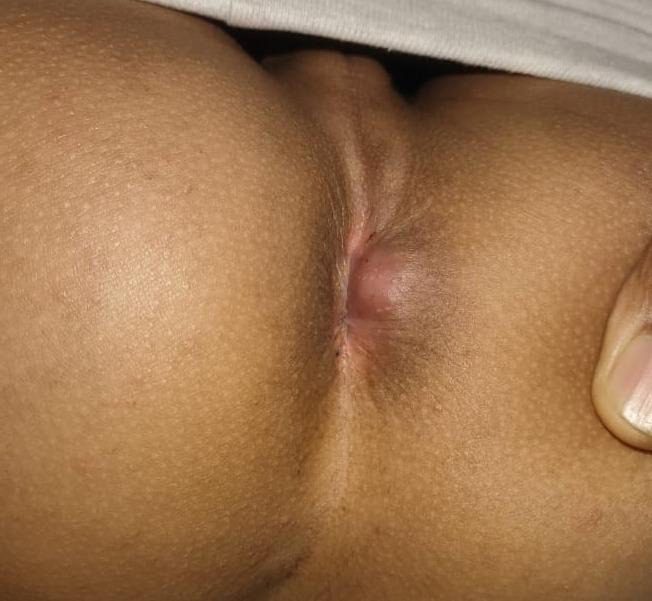
5TH VISIT ON 06/11/25

6TH visit 17/11/25
Final image
Discussion:
This case demonstrates that early perianal abscess in children may progress to an anorectal fistula if inadequately resolved. The remedy Mercurius solubilis was selected for its affinity towards suppurative infections, profuse discharge, swelling, and pain. Silicea was utilized to promote proper drainage and chronic healing of affected tissues.
Improvement was progressive across visits, indicating an effective response to the remedy sequence. The child showed reduction in pain, swelling, and discharge without any surgical intervention, highlighting the role of early individualized homoeopathic intervention in selected uncomplicated fistulous conditions.
Conclusion:
This case illustrates that homoeopathic management, when based on accurate totality and remedy selection, can offer significant relief in early-stage anorectal fistula, particularly in children. Remedies like Mercurius solubilis and Silicea can help control infection, reduce suppuration, and support tissue healing. Continuous monitoring is essential, and surgical referral should be considered for non-responding or complex cases.
Author:
- DR. PRAVEEN JAISWAL
MD, Ph.D (HOM), PROFESSOR & HOD
DEPT. OF PRACTICE OF MEDICINE
GOVT. HOMOEO. MEDICAL COLLEGE&HOSPITAL, BHOPAL
- Dr. Ravindra Rajoriya
MD SCHOLAR,
DEPT. OF PRACTICE OF MEDICINE
GOVT. HOMOEO. MEDICAL COLLEGE&HOSPITAL, BHOPAL