
Abstract
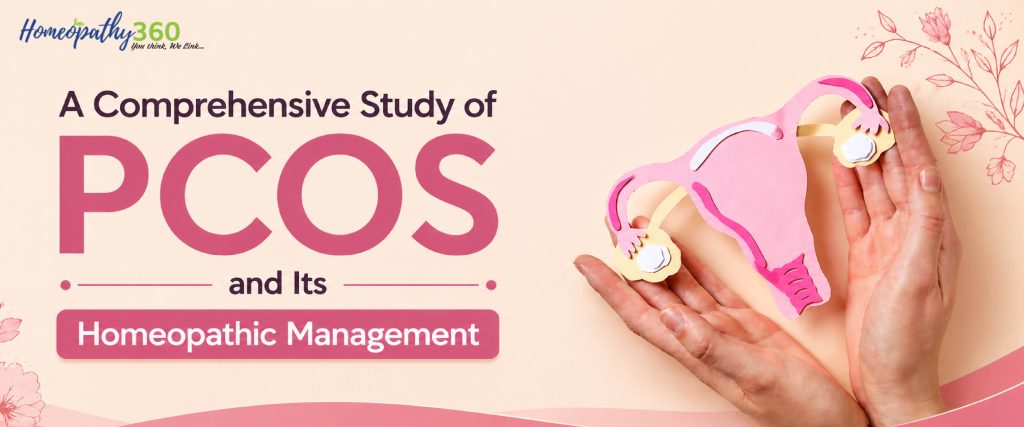
Polycystic Ovary Syndrome is a prevalent endocrine disorder among women of reproductive age, characterized by menstrual irregularities, hyperandrogenism, and polycystic ovarian morphology. It is frequently associated with metabolic disturbances such as insulin resistance and obesity. It drives high risk of infertility, type 2 diabetes and cardiovascular issues, often requiring comprehensive, long term lifestyle and hormonal management.
Keywords
Homeopathy, PCOS, Polycystic Ovary Syndrome, Individualization, Constitutional Treatment.
Introduction
DEFINITION
Polycystic Ovarian Syndrome is a heterogeneous endocrine and metabolic disorder affecting women of reproductive age, characterized by a combination of:
• Ovulatory dysfunction (oligomenorrhea or anovulation )
• Hyperandrogenism
• Polycystic ovarian morphology
Etiology
Genetic Predisposition
↓
Environmental & Lifestyle Factors
(Sedentary habits, High-calorie diet, Stress)
↓
Obesity & Insulin Resistance
↓
Hyperinsulinemia
↓
Increase Ovarian Androgen Production
↓
Hormonal Imbalance (↑ LH : FSH ratio)
↓
Follicular Arrest
↓
Polycystic Ovaries
Pathophysiology
Insulin resistance
↓
Hyperinsulinemia
↓
Increase Ovarian Theca Cell Stimulation
↓
Increase Androgen Production (Hyperandrogenism)
↓
Increase Follicular Maturation
↓
Anovulation / Oligo-ovulation
↓
Menstrual Irregularities
Formation of Multiple Immature Follicles
↓
Polycystic Ovarian Morphology
Clinical features
1. Menstrual / Reproductive Features
Oligomenorrhea (infrequent menstruation)
Amenorrhea (absence of menses)
Anovulation
Infertility or subfertility
Irregular menstrual cycles
2. Hyper androgenic Features
Hirsutism (excess facial/body hair)
Acne vulgaris
Androgenic alopecia (hair thinning)
Oily skin (seborrhoea)
3. Metabolic Features
Obesity (especially central obesity)
Insulin resistance
Weight gain
Increased risk of Type 2 Diabetes
Dyslipidaemia
4.Psychological Features
Anxiety
Depression
Mood swings
Reduced quality of life
Investigation
LH and FSH levels → ↑ LH:FSH ratio (>2:1 suggestive) Total and Free Testosterone → Elevated
DHEAS (Dehydroepiandrosterone sulphate) → May be increased Prolactin → To exclude hyperprolactinemia
TSH (Thyroid Stimulating Hormone) → To exclude thyroid disorders
Pelvic Ultrasonography (USG):
-Enlarged ovaries
-Multiple small follicles (≥12 follicles, 2–9 mm)
-“String of pearls” appearance
Homeopathic management of pcos
1. Sepia
Hormonal imbalance with marked pelvic congestion Irregular, scanty menses
Bearing-down sensation in pelvis
Irritability, indifference to family
Better with exercise
2. Pulsatilla
Delayed or suppressed menses
Mild, emotional, weeping temperament
Symptoms changeable
Aggravation from fatty food
Better in open air.
3. Lycopodium
Right-sided ovarian complaints
Delayed menses with bloating
Digestive disturbances (flatulence)
Lack of confidence but intellectually active
4. Natrum muriaticum
Irregular menses with emotional suppression
Reserved, grief-holding personality
Headaches with hormonal cycle
Craving for salt
5. Calcarea carbonica
Obesity with hormonal imbalance
Profuse sweating, especially head
Delayed puberty or menses
Anxiety about health
6. Thuja occidentalis
Associated with cystic tendencies Irregular cycles
Oily skin, acne
Fixed ideas, secretive nature
7. Apies mellifica
Ovarian cysts with stinging pain
Right-sided ovarian enlargement
Sensitivity to touch
Absence of thirst
8. Graphites
Obesity with delayed menses
Constipation
Skin issues (eczema, dryness)
Chilly patient
9. Sulphur
Irregular menses with heat symptoms
Burning sensations
Unkempt appearance
Early morning aggravation
10. Folliculinum
Hormonal remedy used in oestrogen dominance
Irregular cycles
PMS, infertility tendencies
Conclusion
However, considering the chronic and systemic nature of PCOS, integration with lifestyle modification—including diet, weight management, and physical activity—is essential. Regular monitoring through conventional diagnostic methods remains important for assessing disease progression and preventing complications.
In conclusion, homeopathy may serve as a supportive and complementary modality in the management of PCOS, particularly in improving symptomatic relief and quality of life, when applied judiciously alongside evidence-based medical care.
Co-Author :

Reference
1. DC Dutta’s Textbook of Gynaecology.
2. Clinical Practice Guideline for PCOS (Legro RS et al., 2013). 3. Materia Medica Pura. Samuel Hahnemann.
4. Kent’s Repertory of the Homoeopathic Materia Medica. James Tyler Kent. 5. Boericke’s New Manual of Homoeopathic Materia Medica. William Boericke 6. Lectures on Homoeopathic Materia Medica. James Tyler Kent.