

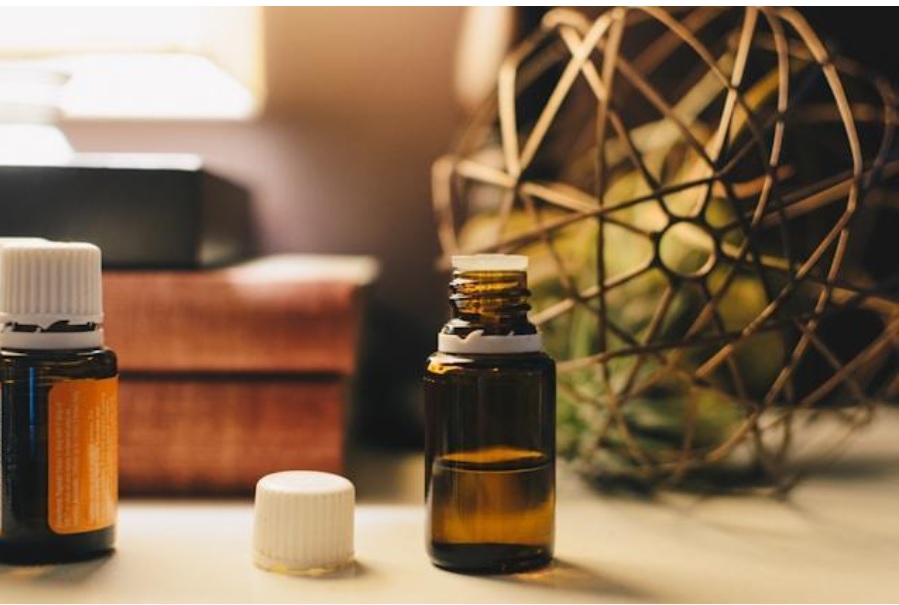
Homeopathy is a centuries-old system of alternative medicine that uses highly diluted substances to stimulate the body’s natural healing responses. Despite its growing popularity among those seeking natural or holistic health solutions, questions continue to arise about the ingredients used in these remedies.
One of the most frequently asked questions is: Do any homeopathic medicines contain alcohol?
The simple answer is yes—many homeopathic remedies do contain small amounts of alcohol, typically used as a preservative or solvent.
However, understanding how and why alcohol is used in homeopathy requires a closer look at the process, purpose, and potential concerns associated with its use.
This is why our guide from Homeopathy360 goes into all these details, to provide you with an informed look at a topic near and dear to our hearts.
Why Alcohol Is Used in Homeopathic Medicines
Alcohol plays a fundamental role in the preparation and preservation of many homeopathic medicines. It serves primarily as a solvent for the active ingredients, allowing the medicinal properties of substances to be extracted during the potentization process.
This process involves serial dilution and vigorous shaking (succussion), during which the original substance becomes more “potent” in homeopathic theory, even as its physical concentration becomes increasingly minimal.
Ethanol, a common type of alcohol, is typically used in homeopathy at varying concentrations, often between 15% and 90%, depending on the remedy and its intended use. The high alcohol content not only stabilizes the preparation by preventing microbial growth but also ensures a longer shelf life.
Liquid homeopathic remedies are most likely to contain alcohol, whereas pellets and tablets may contain significantly less or none at all, depending on how they’re manufactured.
Is the Alcohol Content a Cause for Concern?
For most people, the small amount of alcohol present in homeopathic remedies does not pose a health risk. A typical dose may only deliver a fraction of a milliliter of alcohol, which is comparable to or even less than what is found in some common foods like fruit juices, ripe bananas, or fermented foods.
However, there are specific populations who may be more sensitive to even trace amounts of alcohol. This includes individuals in recovery from substance use disorders, those who abstain from alcohol for religious or personal reasons, and children.
In a holistic treatment setting, transparency about the ingredients used in remedies is essential, especially for those whose treatment goals include sobriety or alcohol abstinence.
Clinicians and holistic practitioners must take care to assess and communicate whether alcohol-based remedies are appropriate for their clients, and alternatives can be sought when needed.
Can You Get Non-Alcoholic Homeopathic Remedies?
Yes, alcohol-free options are available, particularly in the form of lactose-based tablets, sugar pellets, or specially prepared remedies for children and those avoiding alcohol.
These formulations are typically made by spraying the active liquid dilution onto a solid base and allowing it to evaporate, leaving behind a very small amount, if any, of alcohol.
Some manufacturers also offer water-based tinctures or glycerin-based solutions as alternatives. If alcohol is a concern, it’s always best to consult with a knowledgeable practitioner or pharmacist before purchasing or using any remedy.
Are Alcohol-Based Remedies Safe for Children and Pregnant Individuals?
When it comes to pediatric use, safety is paramount. While homeopathic medicines are often marketed as gentle and safe for all ages, parents should be aware that the alcohol content in some liquid preparations may not be appropriate for young children unless diluted further or used under professional supervision.
The same applies to pregnant or breastfeeding individuals, who are typically advised to limit their alcohol intake. Fortunately, most homeopathic remedies intended for these populations are available in alcohol-free forms, making them easier to integrate into care plans without unnecessary risk.
Does Alcohol Affect the Potency of Homeopathic Remedies?
In homeopathic philosophy, alcohol does not interfere with the medicinal quality of the remedy; rather, it helps preserve its energetic properties.
Homeopaths believe that the energetic imprint of the original substance remains active within the remedy, even after extreme dilutions. Alcohol, in this framework, is merely a vehicle for delivering that energetic information to the body.
From a conventional scientific perspective, however, there is ongoing debate about the efficacy of such remedies, particularly given the minuscule concentrations involved. Regardless of one’s stance, the role of alcohol is primarily practical—not therapeutic—in this context.
What Should You Do If You’re Avoiding Alcohol Entirely?
For individuals actively avoiding all forms of alcohol—whether due to addiction recovery, religious practices, or personal values—it’s important to read labels carefully and ask questions before using any product labeled as homeopathic.
Those getting help for a drinking problem, for instance, may feel uncomfortable with any level of exposure, even if it’s traceable. Fortunately, professional-grade remedies often indicate the type and amount of alcohol used, making it easier to identify suitable alternatives.
When choosing remedies in these cases, opt for brands that specialize in non-alcoholic formulations or consult with an integrative practitioner who understands both the principles of homeopathy and the specific needs of those in recovery or abstinence.
Homeopathy’s adaptability allows for thoughtful substitutions that honor a person’s physical, emotional, and spiritual boundaries.
The Intersection of Homeopathy and Behavioral Health
In the behavioral health field, particularly within addiction recovery, mental health, and trauma-informed care, the ingredients in any form of treatment—no matter how minor—can matter significantly.
Even a small amount of alcohol in a natural remedy can be triggering for someone who has struggled with substance misuse or is currently undergoing treatment. Clinicians working in integrative or residential care settings should make it standard practice to discuss any potential risks, however small, associated with complementary treatments such as homeopathy.
Moreover, understanding a client’s comfort level with alcohol-containing remedies may lead to a deeper therapeutic alliance and a more personalized care plan. If someone expresses concern, validating that experience and offering alternatives supports both emotional safety and long-term engagement in treatment.
Making an Informed Choice About Homeopathic Cures
So, do any homeopathic medicines contain alcohol? Yes, many do… but not all. Alcohol serves a preservative and functional role in the preparation of liquid remedies, but alternatives are widely available.
For most people, the presence of alcohol is negligible and not a health threat. However, for those in recovery, with alcohol sensitivities, or who simply prefer to avoid it, asking the right questions and choosing alcohol-free options can ensure that homeopathy remains a supportive, not conflicting, part of a wellness journey.
In the broader context of health and healing, awareness and informed choice should always guide treatment decisions. Whether integrating homeopathy into a holistic treatment setting or using it as a standalone option for wellness, being mindful of all ingredients, however minor, ensures alignment with one’s personal values and clinical needs.


