Abstract
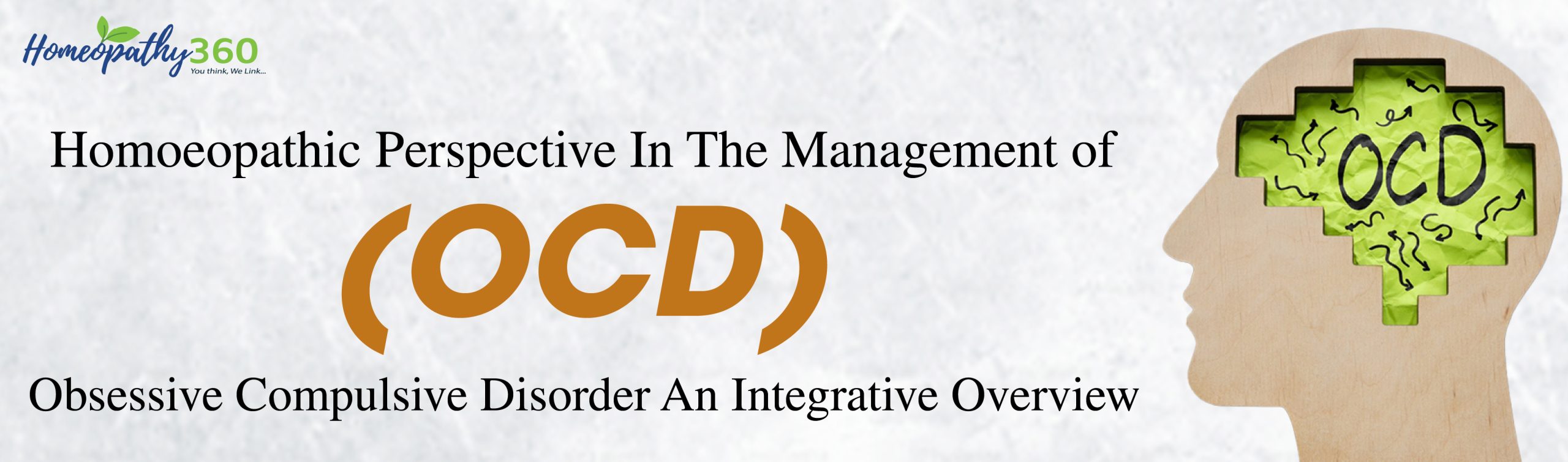
Obsessive Compulsive Disorder (OCD) is a chronic, disabling psychiatric disorder characterized by the presence of obsessions and/or compulsions. With a lifetime prevalence of approximately 2–3%, it stands as the fourth most common psychiatric diagnosis.
Introducon
Obsessive Compulsive Disorder (OCD) is defined by the presence of persistent, intrusive thoughts (obsessions) and repetitive behaviors (compulsions), often performed in an attempt to neutralize anxiety. These thoughts and behaviors are time-consuming and significantly interfere with daily functioning. Obsessions often relate to contamination, harm, sex, or religious themes, while compulsions include rituals such as excessive washing, checking, or counting.OCD is classified as the sixth most disabling mental illness globally. According to DSM-IV-TR, OCD was considered an anxiety disorder; however, the DSM-5 recognizes it as a distinct category. The average age of onset is around 19 years, with males often showing earlier signs than females. The disorder is also frequently associated with co-morbid psychiatric conditions, including depression, social anxiety,tic disorder , tourette’s disorder and substance use disorders.
Eopathogenesis
- Genetic and Biological Factors-
-Genetics: First-degree relatives, particularly if affected in childhood, have a higher risk.
-Neurotransmitters: Serotonin dysregulation is strongly implicated. SSRIs have shown eficacy, supporting this hypothesis.
– Neuroimmunology: Infections like Group A Streptococcus may trigger OCD via autoimmune mechanisms (e.g., PANDAS).
– Brain Imaging: Hyperactivity in areas like the orbitofrontal cortex, thalamus, and striatum is commonly observed. 2. Psychological and Behavioral Theories
– Compulsions are believed to be conditioned responses to neutral stimuli associated with anxiety.
– Personality Traits: Not all patients have obsessive traits, though a subset shows perfectionism and rigidity and such personality traits or like obsessive compulsive personality traits.
– Environmental Factors: Trauma, stress, and unresolved emotional conlicts within the family or withing self often play a role.
Clinical Features
Common Obsessions:-
-Fear of contamination
– Intrusive sexual or religious thoughts
– Fear of harming self or others
– Need for symmetry and order
Common Compulsions:-
– Excessive hand washing
– Repeated checking (e.g., locks, stoves)
– Ordering and arranging objects
– Mental rituals like counting or praying
Not all rituals are pathological; the disorder is marked by the frequency, intensity, and interference in functioning of personal,social and occupational life of a person.
Diagnosis
According to the APA (DSM-5):
- Presence of obsessions, compulsions, or both
- Symptoms are time-consuming (over one hour/day) or cause significant distress
- Not attributable to another medical condition or substance use
- Not better explained by another psychiatric disorder
Assessment done by-Y-BOCS (Yale-Brown Obsessive Compulsive Scale) is commonly used to assess severity and track treatment outcomes.
Modern Treatment Modalities
Pharmacological:-
-SSRIs (e.g., luoxetine, sertraline) are the first-line medications
– In resistant cases, augmentation with atypical antipsychotics may help
– Newer methods include Transcranial Magnetic Stimulation (TMS) and deep brain stimulation (DBS) Psychotherapy:-
-Cognitive Behaviour Therapy (CBT), especially Exposure and Response Prevention (ERP), is highly effective – Online and app-based therapies are gaining ground in delivering CBT
Homoeopathic Perspective
As per Dr. Samuel Hahnemann (Organon §§ 210–230), emotional and mental disturbances arise often from suppressed psoric miasms and unresolved emotional conflicts.
A miasmatic and constitutional approach is vital for true cure.
Miasmatic Classification in OCD:
Psora: Health anxiety, mixed thoughts
Sycosis: Repetitive acts (counting, washing)
Syphilis: Night-time anxiety, perfectionism, destructive thoughts
Commonly Indicated Remedies
Argentum Nitricum: For persistent impulsive thoughts, peculiar mental impulses. OCD patients often fear they may lose control, worrying they could do something they don’t want to do, like jump from a height.
Arsenicum Album: Overthinking thoughts about cleanliness; anxious and cautious. Delirium includes visions of insects. Extreme restlessness and fear of being poisoned or contaminated.
Calcarea Carbonica: Apprehensive; worse in the evening. Fears of insanity, misfortune, and diseases. Obsessive anxiety with confusion and forgetfulness.
Carcinosin: Perfectionist, overly sensitive, history of abuse,suppression or domination .Repeatedly seeks approval and fears illness like cancer. Prone to obsessive cleanliness and rigidity.
Causticum: Persistent thoughts about safety of family members. Cries easily, deeply sympathetic. Anxiety worsens at night. Ailments after grief or prolonged emotional suffering.
Hyoscyamus Niger: Obsessed with inappropriate sexual thoughts, often expressed through obscene behavior and gestures. Picks at clothes, jealousy, and suspicion.
Lachesis Mutus: Talkative, jealous, religious delusions. Restless and anxious, avoids responsibilities. Needs constant admiration and attention.
Medorrhinum: Obsessive washing, fear of darkness and insanity. Restless, impulsive, and secretive with extreme anxiety.
Natrum Muriaticum: Obsessive checking behavior, particularly related to security. Intense need for control and fear of being robbed or hurt.
Nux Vomica: Perfectionist, fault-inding, irritable. Sensitive to light, sound, and smell. Easily angered by disorder or interruption.
Silicea: Fear of needles and sharp objects, obsession with collecting or counting. Mentally sharp but hypersensitive to noise and pressure.
Sulphur: Delusional thinking, messy and self-centered. Religious melancholy, philosophical, but disorganized. Overwhelmed by obsessive ideation.
Syphilinum: Extreme fear of contamination, obsessive washing, and apathy. Night fears and a deep sense of despair.
Thuja Occidentalis: Fixed ideas, delusions of being possessed or watched. Emotional sensitivity; music may cause tears. Often used in cases with suppressed emotions or guilt.
Conclusion
Obsessive Compulsive Disorder is a multifactorial psychiatric illness with deep psychological and biological roots. While modern pharmacology and psychotherapy have advanced treatment approaches, homoeopathy offers a holistic, individualized solution, targeting the mental, emotional, and physical planes of the patient. Constitutional remedies, miasmatic analysis, and individualized case-taking remain central to effective homoeopathic management of OCD. Collaboration with conventional psychiatry can ensure a more comprehensive and humane approach to care.
Keywords
OCD, Obsessions, Compulsions, Homoeopathy, Y-BOCS, Miasm, Anxiety, Constitutional Remedies
References
1.Sadock B.J.,Sadok V.A. , Ruiz P. , Synopsis of psychiatry eleventh edition -2015 , SAE , wolterskluwer.
- Boland EM, Ross RJ. Recent advances in the study of sleep in the anxiety disorders, obsessive compulsive disorder, and posttraumatic stress disorder. Psychiatric Clinics of North America. 2015 Dec.
3.Hirschtritt ME, Bloch MH, Mathews CA. Obsessive-compulsive disorder: advances in diagnosis and treatment. Jama. 2017 Apr 4;317(13):1358-67.
- Reddy YJ, Sundar AS, Narayanaswamy JC, Math SB. Clinical practice guidelines for obsessive compulsive disorder. Indian journal of psychiatry. 2017 Jan;59(Suppl 1):S74.
5.Bystritsky A, Khalsa SS, Cameron ME, Schiffman J. Current diagnosis and treatment of anxiety disorders. Pharmacy and Therapeutics. 2013 Jan;38(1):30.
- Obsessive Compulsive Cognitions Working Group. Cognitive assessment of obsessive-compulsive disorder. Behaviour Research and Therapy. 1997 Jul 1;35(7):667-81.
7.Hahnemann, Samuel, and Dudgeon, Robert Ellis, Boericke william Organon of medicine. B. Jain publishers, Fifth and Sixth edition(36th impression)2018.
8.Ganga PA. Obsessive Compulsive Disorder: A Homeopathic Perspective.
9.McKay D, Abramowitz JS, Calamari JE, Kyrios M, Radomsky A, Sookman D, Taylor S, Wilhelm S. A critical evaluation of obsessive–compulsive disorder subtypes: symptoms versus mechanisms.
10.Babu DG. Comprehensive Study Of Organon An Attempt To Understand The Organon Of Medicine As A Scientiic Treatise, B.
- Berrios GE. Obsessive-compulsive disorder: its conceptual history in France during the 19th century. Comprehensive psychiatry. 1989 Jul 1;30(4):283-95.
12.Brakoulias V, Starcevic V, Sammut P, Berle D, Milicevic D, Moses K, Hannan A. Obsessive compulsive spectrum disorders: a comorbidity and family history perspective. Australasian Psychiatry. 2011 Apr;19(2):151-5.
13.Simpson HB, Reddy YC. Obsessive-compulsive disorder for ICD-11: proposed changes to the diagnostic guidelines and speciiers. Brazilian Journal of Psychiatry. 2014;36:3-13.
14.Goodman, W. K., Price, L. H., Rasmussen, S. A., Mazure, C., et al., The Yale-Brown Obsessive Compulsive Scale. I. Development, use, and reliability. Arch GenPsychiatry, 1989. 46(11): p.1006
15.Rapp, A. M., Bergman, R. L., Piacentini, J., & McGuire, J. F., Evidence-Based Assessment of Obsessive-Compulsive Disorder. J Cent Nerv Syst Dis, 2016. 8: p. 13-29.PMC4994744.
16.Tyler ML. Homoeopathic drug picture. 1st ed. New Delhi: B. Jain Publishers;2000.
- Vermeulen F. Synthesis: Repertory of Homoeopathic Medicine. 9th ed. Utrecht: Homoeopathic Book Publishers;2005.
18.Oxford University Press. Oxford English Dictionary. 3rd ed. Oxford: Oxford University Press;2010.
19.Google. Google Translate [Internet].
- Bhugra D, Malik R, editors. A Short textbook of psychiatry. 7th ed. New Delhi: Jaypee Brothers Medical Publishers; 2011.
About the Author:
Dr. Sucheta Khinchi (PG Scholar) Department of Psychiatry, GHMC, Bhopal (M.P.)
About the Co-Author:
Dr. Santosh Hande HOD & Prof (Department of Psychiatry) Govt. Homoeopathic Medical College and Hospital Bhopal