
ABSTRACT
The doctrine of signatures serves as a visual hint from Nature ; this remains a contentious issue. In addition to the doctrine of signatures, studying the natural behavior, toxicological effects, and physiological actions of a substance is essential for uncovering its potential as a therapeutic agent. This article aims to investigate a comprehensive approach for fully understanding the therapeutic value of the substance.
INTRODUCTION
Doctrine is a belief or collection of beliefs that are held and taught by a group. The word “signature” is derived from two words. “at Sign and Nature,” which refers to signs of nature, denotes a conviction that nature has signed.
The “signs of nature” doctrine of signature has long been seen as a visual cue from Nature that reveals the therapeutic substance’s hidden value. There is no scientific proof that a plant’s color and shape can reveal its medicinal value. Therefore, a deeper understanding of the therapeutic agent is provided by taking into account the natural behavior, physiological activity, and therapeutic action rather than just the doctrine of signature. Observing the changes in health that medicine can produce in a healthy organism is the last step in determining their therapeutic qualities.
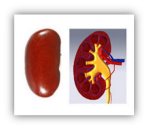
The popular names of certain plants whose shapes and hues reminded herbalists of the body areas where they were believed to have beneficial properties mirror the idea of signatures:
Walnuts for the brain Beans for the kidneys

HISTORY
In actuality, the notion of signature is not new; it has been recognized in Roman, Mesopotamian, and European literature. Chinese medical colleges and Unani medicine systems mostly adopted this. One important source of natural medicine was the notion of signature. According to the theory, plants always appear to reflect certain sections of the human body. Diseases affecting the same plant organ can be treated using the plant or a portion of it.
It is stated that the word “signature” is a duplex, meaning it is made up of two words. The term “signature” refers to two things: a belief group and the handwriting and pattern of creation of various objects by nature. As some people believe in different signs, they create a doctrine of signature.
HOMOEOPATHIC REMEDIES RELATED TO NATURE’S SIGNS
1. Apis mel : This animal is reputed to be extremely envious, and studying it gives us a sense of the kind of person we are interacting with. The Apis sufferer has scorching, stinging pain, heated body temperature, and red, rosy lips. Heat is disliked by people with fair skin. Cold is always preferred. Things that are cold cause a reaction right away

2. Belladonna: The plant thrives in wet soil and dimly lit areas. Belladonna invariably results in oedematous swelling and thrives on syncope and dread. Typical symptoms include throbbing, heat, and redness along with stinging discomfort. The belladonna sufferer appears swollen and red.

3. Carbo vegetabilis : It is a black wood charcoal. Because of cyanosis, the patient appears bluish-black. Because there is no oxygen present when burning wood to make wood charcoal, the sufferer never receives enough oxygen and becomes cyanosed. The Carbo vegetable patient demands fanning from extremely close, as we know that fanning is necessary to burn wood charcoal. The fumes released by burning charcoal travel upward, much like in a patient who has gas buildup in their upper belly and belches to release it. The charcoal seems chilly on the outside but warm on the inside after burning, and the carbo vegetable patient is similarly cold on the outside and hot on the inside.

4. Lachesis: The serpent is irritable, wary, and vindictive. Patients with lachesis are also agitated, restless, distrustful, and vindictive. Similar to how the snake constantly sticks out its tongue but is unsteady, the Lachesis sufferer constantly opens her In the winter, the snake stays curled and silent; in the summer, it begins to move. Lachesis patients also appreciate indirect fanning from a distance, and all of their issues go away in the winter and return in the spring. The hypersensitive Lachesis patient exhibits the snake’s inability to tolerate anyone around it. The snake’s feces is black and repulsive, and the patient also exhibits dark and repulsive discharges.

5. Pulsatilla nigricans: This desert-dwelling plant requires less water. The patient also lacks thirst and has a dry mouth. The blossoms, which are so tiny that they shift their direction with the breeze, are always found in clusters and droop downward. The pulsatilla sufferer, who is constantly bashful and malleable, both mentally and physically, also enjoys sympathy. The plant has a delicate stem that is shielded from the wind by tiny hairs. Additionally sensitive, the pulsatilla patient loves to be covered in chilly air.

6. Lycopodium clavatum: Spores are used to make it. The spores are extremely hard on the outside yet soft on the inside once they break. Similar to this, when a patient is not fluent at first, they become uncooperative, but as time goes on, they successfully complete their lecture.

CONCLUSION
The Doctrine of Signatures highlights the intricate connections between nature, human perception, and the evolution of medical practices. Despite its drawbacks and problems, the idea is nonetheless thought-provoking and has helped to shape homeopathic ideas. A philosophical and historical basis for homeopathy, the Doctrine of Signatures emphasizes the value of intuition, observation, and holistic approaches to health. Although there is ongoing discussion among scientists regarding the legitimacy of the Doctrine of Signatures, it still has a considerable impact on homeopathy and herbal medicine.
BIBLIOGRAPHY
o Craft S.F. Doctrine of Signature and colonial medicine [Internet]. 2015 October, 31[Cited2018 September 10]. Available from: http://: www.hhhistory.com o Mandal and Mandal. A Textbook of Homoeopathic Pharmacy.3rded.Kolkata: NewCentral Book Agency (P) Ltd; 2012
o Hahnemann S .reprint 6th edition Organon of Medicine. New Delhi: B. Jain Publishers Pvt Ltd;1998 110-114.
o Sankaran R. The Soul of Remedies, Mumbai: Narayan publishers;1997.
o https://www.homeopathy360.com/doctrine-of-signature-when-integrated-completes-the-understanding- of-therapeutic-agent/ o https://www.homeopathy360.com/doctrine-of-signature-and-homoeopathy-by-dr-monimala-pramanick/
About the Autor:
Dr jyoti kamble – MD scholar Homeopathic pharmacy Govt. Homeopathic medical college and hospital bhopal m.p.
Co-Author:
Dr Hemant kumar soni , Professor Department of Homoeopathic Pharmacy
Ghmc bhopal