Abstract:
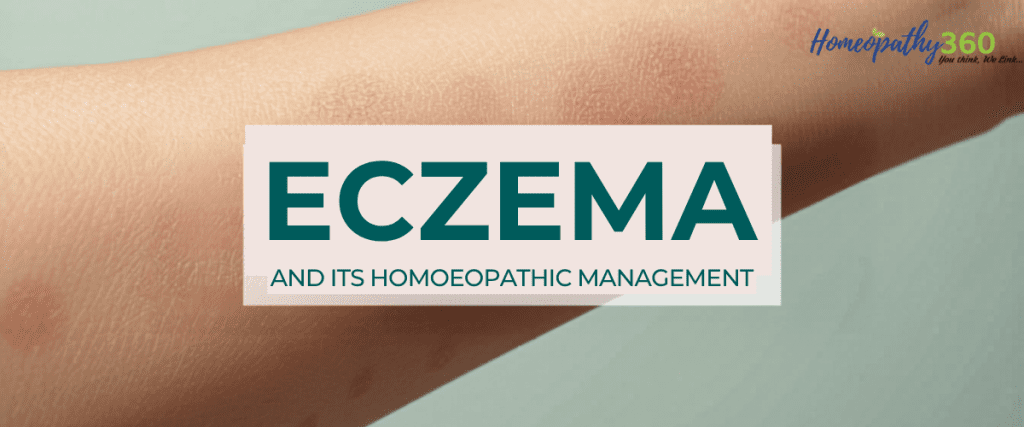
Eczema is a common chronic inflammatory skin disorder characterized by itching, redness, vesicles, scaling, dryness, and recurrent eruptions.
The incidence of eczema has increased significantly due to environmental changes, stress, allergens, and altered lifestyle patterns.
Conventional treatment mainly focuses on symptomatic suppression through topical applications and steroids, often resulting in recurrence or deeper pathological manifestations.
Homoeopathy considers eczema as an external expression of internal susceptibility and emphasizes individualized treatment based on constitutional symptoms and miasmatic background.
This article explores eczema from both modern and homoeopathic perspectives, including its classification, miasmatic understanding, and important keynote remedies.
Introduction:
Eczema, also known as dermatitis, is an inflammatory condition of the skin producing itching, erythema, papules, vesicles, crusting, scaling, and lichenification.
It may occur at any age and often follows a chronic relapsing course.
The word eczema is derived from the Greek word meaning “to boil out,” reflecting the eruptive nature of the disease. In modern medicine, eczema is associated with hypersensitivity reactions, genetic predisposition, environmental triggers, and immune dysfunction.
Homoeopathy views eczema not merely as a local skin complaint but as a manifestation of internal imbalance. According to Samuel Hahnemann, chronic skin diseases are often related to underlying miasmatic disturbances, especially psora.
Definition:
Eczema is a condition that causes your skin to become dry, itchy and bumpy. This condition weakens your skin’s barrier function, which is responsible for helping your skin retain moisture and protecting your body from outside elements.
Etiology:
The common causes and triggering factors include:
Genetic predisposition
Allergic tendency
Dust, pollen, food allergy
Chemical irritants
Emotional stress
Climatic changes
Suppression of skin eruptions
Immune dysfunction
Some people with eczema have a genetic mutation in the protein filaggrin. This protein helps to keep the skin barrier intact and the skin moisturized. If you don’t make enough filaggrin, it may make your skin more prone to inflammation.
Your immune system also plays a role in eczema. There are certain immune system cells that can be overactive in eczema — leading to more inflammation.
Eczema triggers:
There are many different triggers for eczema. These triggers may vary depending on the type of eczema you have. Common eczema triggers include:
Pet dander
Dust mites
Soaps and detergents
Perfumes
Excessive sweat and overheating
Certain clothing
Dry skin
Stress
Illness
Extreme weather changes
Eczema can happen in anyone, but it tends to peak in childhood. And it’s very common. In fact, over 30 million people in the U.S. are living with some form of eczema. People with eczema are more likely to have other health conditions, including:
Seasonal allergies
Food allergies
Asthma
Depression
Anxiety
Someone is also more likely to have eczema if they have a family history of either of these conditions.
According to the National Eczema Association, people with eczema have an over-reactive immune system to a substance in or outside the body. The immune system responds by producing inflammation — referred to as the inflammatory response — which causes symptoms, including:
Itching
Pain
Patches of skin that turn red, dark brown, purple, or gray, depending on a person’s skin tone Oozing
Rashes
Eczema can lead to cellular imbalance
The immune system has various players to keep people safe from infection, allergens, cancer, etc. White blood cells called T helper lymphocytes (Th) are important for adaptive immunity, where the immune system learns to protect itself from foreign invaders, like bacteria. The two main T-lymphocyte types are Th1 and Th2 cells.
In people with eczema, instead of having a balance of these two cell types, there are more Th2 cells, which can lead to more inflammation and the following:
Water loss from the skin barrier
Allergens — like pollen or dust mites — entering the skin
Irritants — like soap or detergent — entering the skin
Types Of Eczema :
With cause & symptoms:
7 Different Types of Eczema
Atopic dermatitis
Contact dermatitis
Dyshidrotic eczema
Seborrheic dermatitis
Neurodermatitis
Nummular eczema
Stasis dermatitis
1.Atopic Eczema:
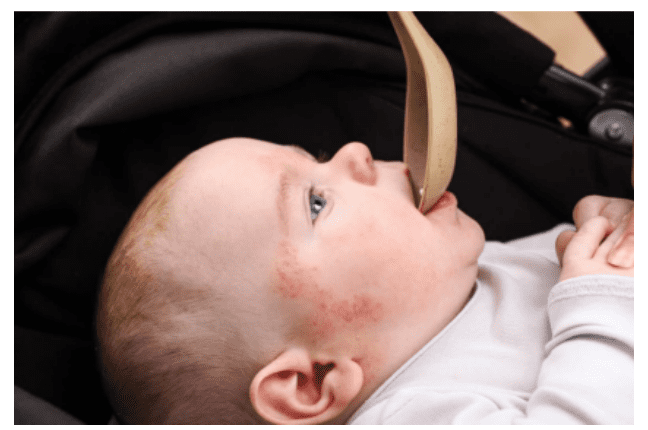
The most common chronic inflammatory skin disease, atopic dermatitis, also known as atopic eczema, typically affects infants with a family history of atopy (eczema, asthma, allergic rhinitis). Its symptoms include skin dryness, itching, and lesions like red patches, blisters, oozing, and crusts. Atopic eczema typically cycles through flare-ups with symptom onset or exacerbation and remission phases with few or no symptoms.
It usually starts in childhood between ages 2 months and 5 years and typically gets milder or goes away by adulthood. However, it’s possible to have a flareup of symptoms or to experience symptoms for the first time later in life.
Symptoms:
In atopic dermatitis, symptoms typically appear on your arms or in the creases of your elbows or knees. Children may develop symptoms on their scalp and cheeks.
It’s important not to scratch any bumps, rashes, or lesions, as this may lead to infection.
Causes:
The exact cause of atopic dermatitis is unknown.
However, the condition happens when your skin’s natural barrier is weakened. This means your skin is less able to protect you from irritants and allergens.
Atopic dermatitis is likely caused by a combination of factors, such as:
Genes
Dry skin
An immune system issue
Triggers, such as irritants, stress, and dry skin
2. Contact dermatitis:
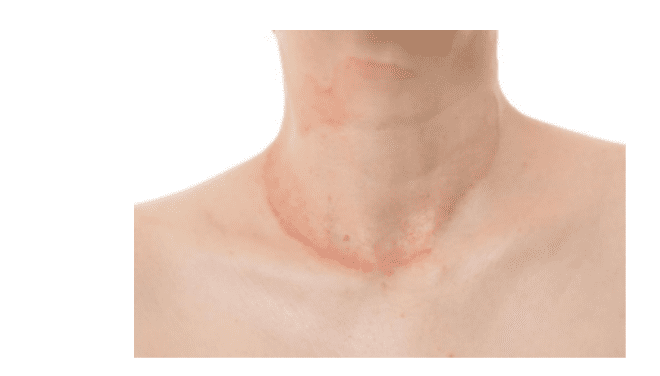
Contact dermatitis results from a reaction to substances you touch. There are two types: Allergic contact dermatitis:
This is an immune system reaction to an irritant, like latex or metal.
Irritant contact dermatitis:
This starts when a chemical or other substance directly damages your skin.
Symptoms:
Symptoms of contact dermatitis may take up to 48 hours to appear after coming into contact with a trigger.
In contact dermatitis, you may experience:
Itchy skin that turns red, pink, or magenta. In darker skin tones, this can appear as brown, purple, or gray.
Skin that burns or stings
Hives
Fluid-filled blisters
Thick, leathery skin
Causes:
Contact dermatitis happens when you touch a substance that irritates your skin or causes an allergic reaction. The most common irritants include:
Detergents
Bleach
Jewelry
Latex
Nickel
Paint
Poison ivy and other poisonous plants
Skin care products, including makeup
Soaps and perfumes
Solvents
Tobacco smoke
3.Dyshidrotic eczema
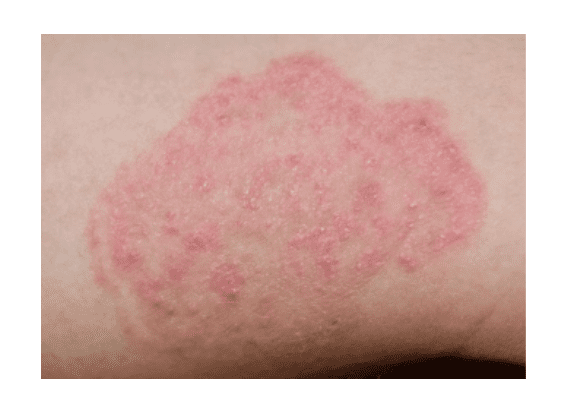
Dyshidrotic eczema, also known as pompholyx, causes small blisters to form on your hands and feet.
Symptoms:
Symptoms of dyshidrotic eczema may last between 2–3 weeks at a time. You may experience fluid-filled blisters that could itch, hurt, crack, and flake. These may appear on your:
Fingers
Toes
Palms
Soles of the feet
Causes:
Dyshidrotic eczema can be caused by:
Allergies
Damp hands and feet
Exposure to substances such as nickel, cobalt, or chromium salt
Stress
Smoking tobacco products
4.Seborrheic dermatitis
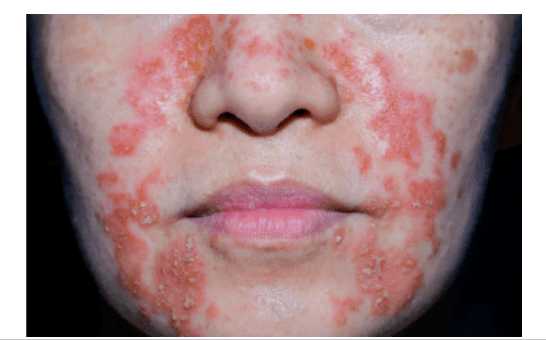
Seborrheic dermatitis is sometimes referred to as scalp eczema because it typically affects your scalp.
Seborrheic dermatitis in infants is commonly called cradle cap, and it does not reappear later. In teens and adults, however, seborrheic dermatitis will most likely be an ongoing skin issue.
Symptoms:
Seborrheic dermatitis may cause scaly, oily patches of skin that produce dandruff-like flakes. These patches often appear where there are more sebaceous glands on the body, such as the:
Scalp
Hairline
Upper back
Nose
Groin
In people with darker skin tones, these patches may be darker than their skin, but in people with lighter skin tones, the patches may be lighter.
Causes:
Seborrheic dermatitis may be due to a combination of environmental and genetic factors.
First, a trigger like stress or illness sets off an inflammatory reaction in the skin. This sends the oil-producing glands in the body into overdrive, which allows too much Malassezia yeast to grow. This is an organism that lives on the skin’s surface.
When yeast grows too rapidly, the immune system reacts and causes a series of skin changes. This leads to the development of the patches of skin common with seborrheic dermatitis.
Aside from stress and illness, other triggers of seborrheic dermatitis may include: Hormonal changes
Illness
Harsh detergents or chemicals
Cold, dry weather
Certain medical conditions, like Parkinson’s disease, psoriasis, HIV, and acne Medications, including interferon and lithium
5. Neurodermatitis:
Neurodermatitis, also referred to as lichen simplex chronicus, is a type of eczema that usually causes 1–2 eczema patches to develop. It involves intense itching that worsens the more you scratch.
Symptoms:
Neurodermatitis causes thick, scaly, and sometimes very itchy patches to form on your: Arms
Legs
Back of your neck
Scalp
Bottoms of your feet
Backs of your hands
Genitals
It’s important not to scratch the skin patches. This may worsen your symptoms and lead to bleeding and infection.
Causes:
The underlying cause of neurodermatitis isn’t yet known. However, the condition usually starts with an itch, and the rash develops the more you scratch it, according to the AAD.
6. Nummular eczema:
Nummular eczema, also known as discoid eczema, causes round, coin-shaped spots to form on your skin. It looks different than other types of eczema and could be very itchy.
Symptoms:
Symptoms of nummular eczema may last up to several years without treatment.
The first sign of nummular eczema is usually a group of small bumps on the skin. These may appear red or pink on lighter skin tones and dark brown on darker skin tones.
These small bumps then usually grow coin-shaped skin lesions that may be itchy, flaky, or cracked.
Causes:
The exact cause of nummular eczema is not known. However, it may result from having very dry skin.
You’re also more likely to develop nummular eczema if you have another type of eczema, such as atopic dermatitis.
7. Stasis dermatitis:
Stasis dermatitis is more common in people who have poor circulation, according to the AAD. It happens when fluid leaks out of weakened veins into your skin.
This fluid may cause:
Swelling
Redness in lighter skin tones
Brown, purple, gray, or ashen color in darker skin tones
Itching
Pain
Symptoms:
Symptoms of stasis dermatitis are most likely to affect your legs and ankles. For example, the lower part of your legs may swell, especially during the day when you’ve been walking. Your legs may also ache or feel heavy.
Other symptoms of stasis dermatitis may include:
Varicose veins
Dry, itchy skin
Open sores
Causes:
Stasis dermatitis happens in people who have blood flow problems in their lower legs. If the valves that normally push blood up through your legs toward your heart malfunction, blood can pool in your legs.
Diagnosis & Taste:
Symptoms of eczema can look similar to other conditions. Your provider might offer tests to rule out other conditions and confirm your diagnosis. Tests could include:
An allergy test.
Blood tests to check for causes of the rash that might be unrelated to dermatitis. A skin biopsy to distinguish one type of dermatitis from another.
Blood tests:
These require a small blood sample, typically drawn through a needle in the arm. One such test looks for high levels of eosinophils, cells in the blood that are part of an immune reaction. Another looks for high levels of a molecule called IgE antibody. Blood levels of these are elevated in people with atopic diseases, including eczema. Some patients with eczema also have a food allergy, so your doctor may order allergen-specific IgE tests, which measure levels of the
antibody, each of which is associated with a different allergen. Note: measuring IgG antibody to foods is NOT a useful test for determining food allergy.
Skin biopsy:
In this procedure a doctor first numbs the skin and then removes one or more small pieces of skin, which is used to rule out other skin diseases from atopic dermatitis, such as a low-grade skin cancer or psoriasis. A pathologist then examines the skin sample under a microscope.
Allergy skin testing:
If there is concern for an associated food allergy or environmental allergy, prick skin tests can be done to common foods or inhalant/animal allergens to show sensitization or lack of sensitization to specific allergens.
Patch testing:
In this test, small patches covered with allergenic chemicals are placed on the skin for 48 hours, then removed and the skin reaction is evaluated at 72-96 hours. It can identify contact allergy to chemical sensitizers such as fragrances, metals, lanolin, rubber, etc.
Buccal swabs:
The inside of the cheek can be swabbed with a cotton applicator to get cells as a source of DNA material to look for mutations in the Filaggrin gene, one of the causes of eczema.
Miasmtic Background Of Eczema:
1. Psoric Eczema:
Psora is the fundamental miasm behind most skin diseases. Early-stage eczema commonly presents with psoric features.
Characteristic Features:
Intense itching
Dryness and scaling
Red eruptions
Burning after scratching
Aggravation from warmth of bed
Functional disturbance without tissue destruction
Common Remedies:
Sulphur
Psorinum
Graphites
2. Sycotic Eczema:
Sycotic eczema is characterized by overgrowth, infiltration, and thick discharges. Characteristic Features:
Moist eruptions
Sticky or honey-like discharge
Thick crust formation
Skin thickening and lichenification
Recurrent chronic tendency
Common Remedies:
Thuja occidentalis
Medorrhinum
Graphites
3. Syphilitic Eczema:
The syphilitic miasm represents destruction and degeneration.
Characteristic Features:
Deep cracks and fissures
Bleeding lesions
Ulceration
Offensive discharge
Secondary infection
Night aggravation
Common Remedies:
Mercurius solubilis
Hepar sulph
4. Tubercular Eczema:
Tubercular miasm combines psoric hypersensitivity with syphilitic destructiveness. Characteristic Features:
Recurrent allergic eruptions
Rapid change in symptoms
Seasonal aggravation
Family history of allergy or asthma
Restlessness and sensitivity
Common Remedies:
Tuberculinum
Phosphorus
Bacillinum
Type according miasmtic background:
Type of Eczema Dominant Miasm
Atopic dermatitis Tubercular + Psoric
Contact dermatitis Psoric
Dyshidrotic eczema Sycotic + Tubercular
Seborrheic dermatitis. Sycotic
Type of Eczema Dominant Miasm
Neurodermatitis Psoric + Sycotic
Nummular eczema Psoric
Stasis dermatitis Syphilitic + Sycotic
General Management:
Lifestyle and home remedies:
Taking care of sensitive skin is the first step in treating atopic dermatitis and preventing flares. To help reduce itching and soothe inflamed skin, try these self-care measures:
Moisturize your skin at least twice a day. Find a product or combination of products that works for you. You might try bath oils, creams, lotions, shea butter, ointments or sprays. For a child, the twice-a-day regimen might be an ointment before bedtime and a cream before school. Ointments are greasier and may sting less when applied.
Apply an anti-itch cream to the affected area. A nonprescription cream containing at least 1% hydrocortisone can temporarily relieve the itch. Apply it no more than twice a day to the affected area before moisturizing.
Take an oral allergy or anti-itch medication. :
Options include nonprescription allergy medicines (antihistamines) — such as cetirizine (Zyrtec Allergy) or fexofenadine (Allegra Allergy). Also, diphenhydramine (Benadryl, others) may be helpful if itching is severe. But it causes drowsiness, so it’s better for bedtime. The type of antihistamine that causes drowsiness may negatively affect the school performance of some children.
Take a daily bath or shower
Use warm, rather than hot water. If you’re taking a bath, sprinkle the water with colloidal oatmeal, which is finely ground oatmeal made for bathing (Aveeno, others). Soak for less than 10 minutes, then pat dry. Apply moisturizer while the skin is still damp (within three minutes).
Use a gentle, nonsoap cleanser. Choose one without dyes, alcohols or fragrances. Harsh soaps can wash away your skin’s .
Take a bleach bath. The American Academy of Dermatology recommends a bleach bath for relief from severe or frequent flares. Talk with your health care provider about whether this is a good option for you.
Soak from the neck down or just the affected areas for 5 to10 minutes. Don’t put the head under water
Use a humidifier.
Hot, dry indoor air can parch sensitive skin and worsen itching and flaking. A portable home humidifier or a humidifier attached to your furnace adds moisture to the air inside your home.
Wear cool, smooth-textured clothing. Avoiding clothing that’s rough, tight or scratchy. Also, in hot weather or while exercising, choose lightweight clothing that lets your skin breathe. When washing your clothing, avoid harsh detergents and fabric softeners added during the drying cycle.
Treat stress and anxiety. Stress and other emotional disorders can worsen atopic dermatitis. Being aware of stress and anxiety and taking steps to improve your emotional health may help your skin too.
Treatment commonly involves using over-the-counter creams or emollients on the affected areas. Doctors may also recommend trying coping strategies, such as avoiding
Itching
Regular contact with water
Cosmetic products containing irritants
Wet wraps:
Wet wrap therapy involves applying damp strips of fabric onto the skin where eczema is flaring up.
To use this therapy, a person applies medication or moisturizers to the skin and then wraps clean, water-soaked gauze or fabric around the area. This helps maximize the time the lotions stay in contact with the skin.
Phototherapy:
Phototherapy can help reduce the body’s inflammation response and ease the symptoms of eczema and other similar skin conditions. This treatment involves exposing the skin to UV light in a controlled environment.
During phototherapy, a person enters a machine that emits UVB light for a few seconds or minutes. Healthcare professionals can target phototherapy to specific areas.
Immunosuppressing drugs:
The body’s immune response plays a key role in the development of eczema symptoms. To treat severe eczema, doctors may prescribe medications to suppress a person’s immune response. These may take the form of oral tablets or topical ointments.
Immunosuppressive drugs for eczema include:
Janus kinase (JAK) inhibitors
Cyclosporine
Methotrexate
Azathioprine
Mycophenolate mofetil
Treatments for children:
Eczema is a common condition among children and babies.
A challenge for parents and caregivers is that infants are unable to manage the urge to scratch their eczema. Scratching is one of the main factors that worsen eczema and can lead to infections.
Wet wraps may be particularly helpful for children and babies, as they can prevent the individual from scratching the affected areas.
The treatments for infants are similar to adults and focus on moisturizers and anti inflammatories. The National Eczema Association (NEA) also recommends avoiding key triggers, such as:
Not addressing dry skin
Irritants
Heat and sweating
Allergens
Homoeopathy Management:
Homeopathy is a philosophy developed over 200 years ago in Germany. It features two key beliefs:
Like cures like: Homeopathy suggests that you can cure someone by giving them a substance that reproduces the symptoms they have.
Law of minimum dose: The substance given should be diluted as much as possible.
According to the National Center for Complementary and Integrative Health (NCCIH)Trusted Source, the use of homeopathic remedies is increasing in the United States. Five million adults and 1 million children were using them in 2013.
1. Sulphur:
Neurodermatitis,Atopic dermatitis
It was given to dirty, filthy, lean, stoop-shouldered and scrofulous persons. Nervous temperament, very selfish nature, relapsing complaints, cannot stand for a long time, excessive burning everywhere, hunger at 11 A.M., constipated large painful stools, desire for sweets, marked aversion to bathing were the leading indications.
The mental symptoms used were embarrassed ailments after, delusion getting thin, longing refuse for tranquility. It was used in all types of allergic dermatitis with marked itching, want to scratch, burning after scratching worse by heat of bed, recurrent papulo vesicles, erythematous eruptions dry, cracks.
2. Mercurius solubilis :
It was used for suppurations with lesions varying from erythematous papules, vesicles, pustules, thickening, glandular swellings and ulceration
. Itching or burning pains were worse at night. Profuse sweating without any relief, thick, very offensive acrid discharges, large, flabby, thickly coated tongue, internal chilliness, tendency for diarrhoea with slimy stools and offensive breath were the general indications
3.Graphites:
Dyshidrotic eczema,Stasis dermatitis
It was suitable for stout, fair complexioned, constipated, and fatty and chilly individual. Children are impudent, teasing, laugh at reprimands. Sad, despondent, music makes them weep.
It was used in various types of skin lesions. Unhealthy skin, every injury suppurates, old cicatrices break open again, eruptions upon ears, between fingers, toes and on other skin folds of the body. The discharge had characteristics of being watery, transparent, sticky and thick. Swelling, induration of glands. Cracks, fissures at tips of fingers, nipples, labial commissures, anus and between toes.
4.Hepar Sulphuricum:
Atopic dermatitis
It was used in irritable, quick and hasty persons. Patient was peevish, angry at even least trifle, hypochondrical and unreasonably anxious, extremely sensitive to cold air and touch. It was used for various types of skin lesions, slightest injury causes suppuration abscess, suppurating glands, papulo-pustular lesions and deep cracks on hands and feet, Ulcers with pus discharge mixed with blood, smelling like old cheese, surrounded by little pimples, very painful, splinter like pain and better by warmth.
5.Psorinum :
Contact dermatitis
It was given to psoric constitutions when well-selected remedies or Sulphur fail to relieve or permanently improve. Filthy smell of body, great sensitiveness to cold air or changes of weather, carion like odor, despair from itching were the leading indications.
6.Achyranthese aspera:
It was given to a dull, indolent, irritable and sulky person. The lesions were erythematous, vesicular, papular , pustular and ulcers with pain or burning, especially over hands, feet. The discharge from the lesion was yellowish, bloody, sticky and foul smelling.
7 .Hydrocotyle asiatica :
Inflammation, cellular proliferation, induration and lichenification of the skin were important symptoms. It was used for circumscribed red scaly lesions with severe itching or pricking which is worse at night and after scratching.
8.Lycopodium clavatum:
It was suitable to person intellectually keen but physically weak, upper parts of the body emaciated lower parts semi dropsical, having deep-seated progressive chronic diseases. It affects right side of the body or the complaint goes from right to left side.
The person is predisposed to gastric and hepatic affections, all the symptoms were worse in the evening between 4 to 8 PM. The complexion was pale, dirty, unhealthy, and sallow with deep furrows and senile look. The temperament is irritable, peevish loves power, cannot endure opposition, avaricious, greedy, miserly and malicious. Skin symptoms include ulcers, fissures, abscesses, and wheals, violent itching worse on warm applications, eczematisation, chronic dermatitis, thickening, indurations, brown spots on face, premature graying of hair.
9.Bacillinum :
It was used for fair complexion, blue eyed, blond, tall, flat and narrow chested person who is active, precious, and weak and is having tubercular diathesis. It was given as intercurrent medicine when best indicated remedy fails to act with the tubercular background.
Excessively chilly, rapid and pronounced emaciation, changing symptoms from one part to another were the leading indications. Skin symptoms include recurrent small boils which were intensely painful and were appearing especially in nose with green foetid pus, chronic eczematous lesions over skin folds, behind ears, hairy areas, fiery red skin with soreness and rawness, psoriasis with immense quantities of white bran like scales and itching worse by undressing, bathing.
10.Petroleum:
Nummular eczema
This remedy is indicated for individuals whose skin is extremely dry and tends to crack, especially on the fingertips and palms. Eczema is worse in winter, with deep, sore cracks that often bleed. The person feels a cold sensation after scratching. Itching is worse at night and from getting warm in bed. The skin is easily infected, and may get tough and leathery from chronic irritation.
Reference:
1.Textbook of Dermatology. 9th edition. Oxford: Wiley-Blackwell Publications. 2.Davidson’s Principles and Practice of Medicine. 24th edition. Edinburgh: Elsevier Publications.
3.API Textbook of Medicine. 11th edition. Mumbai: API Publications.
4.Organon of Medicine. 6th edition. Translated by William Boericke. New Delhi: 5.Lectures on Homoeopathic Philosophy. Reprint edition. New Delhi:
6.Dictionary of Practical Materia Medica. 3rd revised edition. New Delhi: B. Jain Publishers.
7.Materia Medica Pura. Reprint edition. New Delhi: B. Jain Publishers.
8.Allen’s Keynotes and Characteristics. Reprint edition. New Delhi: B. Jain Publishers.
9.Atopic Dermatitis: Inside Out or Outside In – E-Book, 1st Edition ,Author : Edited by Lawrence S Chan, MD., MHA and Vivian Y. Shi, MD
10.Pocket Manual of Homoeopathic Materia Medica. Reprint edition. New Delhi: