Abstract
Asthma is a chronic inflammatory disorder of the airways characterized by variable airflow obstruction, bronchial hyperresponsiveness, and airway inflammation. The disease results from complex interactions between genetic predisposition and environmental triggers. Bronchial asthma is understood in homoeopathy as a chronic dynamic disease of the vital force that manifests primarily through the respiratory system. In homoeopathic philosophy, these symptoms are not merely local manifestations but expressions of an underlying constitutional imbalance. Homoeopathic management emphasizes individualization, where the remedy is selected based on the totality of symptoms, including mental, general, and particular characteristics. Homoeopathy aims not merely at symptomatic relief but at restoring the harmony of the vital force, thereby reducing the frequency and severity of asthmatic attacks and improving the patient’s overall constitution.
Introduction
Asthma is a chronic respiratory disorder characterized by recurrent attacks of breathlessness, wheezing, chest tightness, and coughing, often associated with reversible airway obstruction and hypersensitivity of the bronchial tree. Asthma represents a multifactorial respiratory disorder involving both functional disturbances in airway physiology and structural changes in airway pathology. Asthma involves airway mucosal edema, infiltration by inflammatory cells (especially eosinophils, mast cells, and T-lymphocytes), mucus hypersecretion, and smooth muscle hypertrophy, which contribute to reversible airway narrowing. Homoeopathic case-taking emphasizes a comprehensive evaluation of the patient. Homoeopathic management aims not only at relieving acute symptoms but also at addressing the underlying constitutional and miasmatic factors, thereby reducing susceptibility to recurrent attacks. By strengthening the patient’s vital force and correcting the internal imbalance, homoeopathy seeks to achieve long-term improvement and overall health restoration.
Aetiology
1. Genetic Factors
- Asthma often shows a familial tendency.
- Individuals with a family history of asthma, allergic rhinitis, or eczema have a higher risk.
- Genetic predisposition is linked to IgE-mediated hypersensitivity and airway hyperresponsiveness.
2. Allergens (Atopy)
Exposure to allergens is one of the most common causes of asthma.
- House dust mites
- Pollens (grass, trees, weeds)
- Animal dander (hair, skin flakes)
- Fungal spores and molds
- These allergens trigger immune reactions leading to bronchial inflammation and bronchoconstriction.
3. Respiratory Infections
- Viral infections such as rhinovirus, influenza, and respiratory syncytial virus (RSV) can initiate or aggravate asthma attacks.
- Infections cause airway inflammation and increased bronchial sensitivity.
4. Environmental and Occupational Factors
- Air pollution (smoke, vehicle exhaust, industrial gases)
- Tobacco smoke exposure
- Occupational exposure to chemicals, dust, and fumes (e.g., flour dust, wood dust)
5. Physical and Climatic Factors
- Cold air
- Sudden weather changes
- Exercise (exercise-induced asthma)
6. Drugs and Chemicals
Certain medications can precipitate asthma attacks, such as:
- Aspirin and other NSAIDs
- Beta-blockers
- Certain preservatives or chemical irritants
7. Emotional and Psychological Factors
- Stress, anxiety, and strong emotions may trigger bronchospasm in susceptible individuals.
8. Other Contributing Factors
- Obesity
- Gastroesophageal reflux disease (GERD)
- Hormonal influences
CASE REPORT
Chief Complaint
- A 33 year old female patient came on 29th September having complaint of asthma since last 1 year
- She has to take steroids (salbutamol 100mcg) 3 times per day.
- Aggravation on climbing stairs,aggravation+2, in morning and evening+2
- She also has complaint of warts on face
- She has 3 warts on chin along with a complaint of itching.
Past History
- Typhoid before 4 years.
Personal History
- APPETITE: 3 chapati / meal
- THIRST: 2 liter / day
- DESIRE : pickles
- URINE : 5-6 / day
- STOOL : 1 / 0 d/n
- PERSPIRATION : offensive
- THERMAL : Ambithermal
- SLEEP: sleeplessness because of overthinking
- DREAMS: not remembered
Mental Symptoms
- Sadness over ones health.+
- Weeping when telling of her complaints.
- Undertakes things opposed to her intentions.++
- Desire to be independent.+++
- She will be ameliorated by being constantly occupied.++
- Consolation aggravation ++
General Examination
- Temperature: Afebrile (≈ 98.6°F)
- Pulse: 72/min, regular rhythm
- Respiratory Rate: 24-25/min
- Blood Pressure: 120/80 mmHg
- Pallor: Absent
- Icterus: Absent
- Cyanosis: Absent
- Clubbing: Absent
- Lymphadenopathy: Not detected
- Edema: Absent
- Skin: Normal except for wart lesion.
Systemic Examination
- Respiratory system:
INSPECTION : Tachypnea (increased respiratory rate). Use of accessory muscles of respiration
PALPITATION : Vocal framitus decreased
PERCUSSION: Hyper-resonant note over lung field.
AUSCULTATION : Wheezing sound is present.
- Cardiovascular system: Normal heart sound
- Nervous system: conscious and oriented
- Gastrointestinal system: per abdomen soft
Investigation
- CBC CRP and serum IgE levels are within normal limits
- Chest x-ray are normal.
Case Analysis
- Mental General
- Undertakes things opposed to her intentions.
- Desire to be independent.
- She will be ameliorated by being constantly occupied.
- Consolation aggravation.
- Physical General
- Desire for pickles
- Offensive perspiration
- Sleeplessness
3.Physical Particular
- Complaint of asthma – shortness of breath along with wheezing sound (must take inhaler – salbutamol 3 times per day).
- Aggravation on climbing stairs
- Aggravation in morning and evening.
- She also has complaint of warts on face
- She has 3 warts on chin along with a complaint of itching.
Evaluation And Totality Of Symptoms
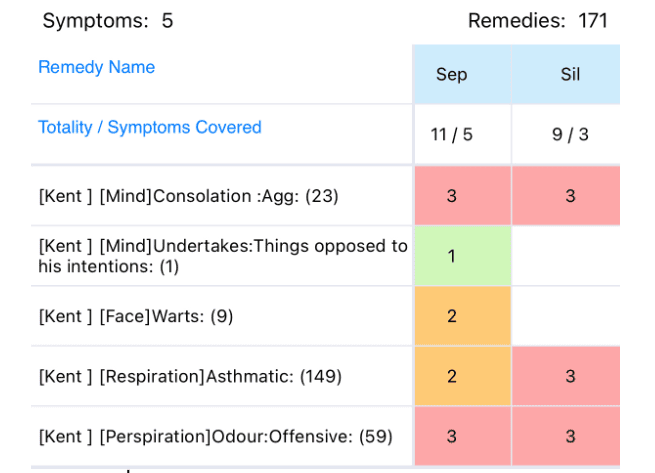
- Undertakes things opposed to her intentions.++
- Desire to be independent.+++
- She will be ameliorated by being constantly occupied.++
- Consolation aggravation ++
- Desire for pickles ++
- Offensive perspiration +
- Complaint of asthma – shortness of breath along with wheezing sound.+++ (must take inhaler – salbutamol 3 times per day).
- Aggravation on climbing stairs++
- Aggravation in morning and evening.
- She also has complaint of warts on face
- She has 3 warts on chin along with a complaint of itching.
Repertorial Analysis
Prescription
Rx. Sepia officinalis 200 one dose state
Sac lac 4 pills TDS for 15 days
Follow Up (16 October
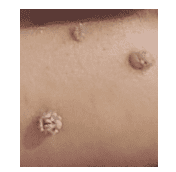
Improvement in complaint of asthma 30%
She takes inhaler 2 times per day
Warts on face size reduced
Itching on warts as it is
Prescription:
Rx: Sepia 1M one dose stat
Sac lac 4 pills TDS for 15 days
Follow Up (1 November)
Improvement in complaint of asthma 70%
She take inhaler( salbutamol )twice a week
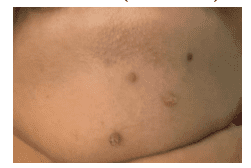
Warts on face size reduced
Itching on warts reduced
Prescription:
Rx: Sac lac 4 pills TDS for 15 days
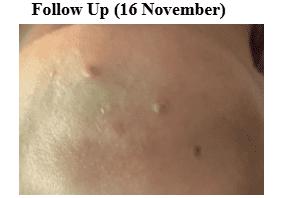
Patient improved in complaint of asthma
She doesn’t take any steroids (salbutamol) in last 15 days
Warts size reduced
No itching in complaint of warts.
Conclusion
Homoeopathy offers a holistic and individualized approach to the management of bronchial asthma. Homoeopathy not only provides symptomatic relief during acute episodes but also works on the underlying susceptibility, thereby promoting long-term improvement and better quality of life for individuals suffering from asthma. By treating the patient as a whole and addressing the root cause of the disease, homoeopathic treatment can successfully control asthma, minimize recurrence, and enhance the patient’s quality of life without significant adverse effects.
Reference
- Davidson’s Principles and Practice of Medicine.
- Harrison’s Principles of Internal Medicine
- Boericke W. Pocket Manual of Homoeopathic Materia Medica.
- Phatak SR. Materia Medica of Homoeopathic Medicines.
- K. George Mathew – Medicine Prep Manual for Undergraduates.
- Parveen Aggarwal – Emergency Medicine Prep Manual.