

Keeping your teeth straight isn’t just about the braces or aligners you once wore, it’s the retainer that protects all that time, money, and effort you invested. Yet many people unintentionally damage theirs through seemingly harmless daily habits. I’ve seen it happen far too often: someone feels their retainer isn’t fitting quite right, or it starts looking cloudy, or it suddenly takes on a less-than-pleasant smell, and before long, they’re facing a replacement. And this is exactly why proper retainer care matters from the start, especially if you’re following guidance similar to what you’d normally find in a resource on understanding different types of retainers from here, which plays a big role in keeping your smile stable long term.
Whether you’re using a clear Essix retainer, a Hawley acrylic-and-wire model, or a fixed bonded retainer, your hygiene can make or break the device’s lifespan. And let’s be honest: replacing a retainer isn’t cheap. Australian orthodontic guidance consistently highlights how poor hygiene or improper storage can quickly undo orthodontic progress. According to the Australian Dental Association, maintaining good oral hygiene with orthodontic appliances helps reduce the risk of bacterial build-up and oral infections , something many people overlook until problems start appearing.
Below, you’ll find the habits that cause the most trouble, why they matter, and what you can do to protect your retainer (and your results) for years to come.
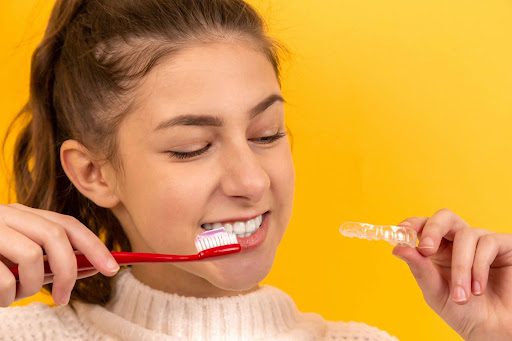
Why Retainer Care Directly Impacts Long-Term Dental Results
Once you finish orthodontic treatment, your teeth aren’t “set” in their new positions straight away. They’re still prone to subtle shifting for months or even years after your braces or aligner trays come off. Your retainer is the only thing standing between you and relapse, and if the retainer becomes warped, cracked, unclean, or uncomfortable, you’re far more likely to stop wearing it consistently.
Many people underestimate how fragile retainers actually are. They’re not designed to withstand boiling water, harsh scrubbing, alcohol-based soaks, or being squashed in a pocket or bag. One careless moment can distort the shape, and once it’s warped, it won’t fit the way it should.
The result? Teeth begin drifting out of alignment, and correcting that shift can cost significantly more than simply maintaining the retainer in the first place.
It’s also worth noting that hygiene isn’t just about appearance. A poorly cleaned retainer becomes a breeding ground for bacteria and fungi, which can irritate your gums, cause bad breath, or lead to oral infections. According to Healthdirect Australia, microbial growth on dental appliances can escalate quickly without proper daily care.
That’s why understanding the correct care habits, and avoiding the most damaging ones, is essential if you want your orthodontic investment to truly last.
Types of Retainers and Their Specific Care Needs
Retainers may look simple, but each type has its own vulnerabilities. Knowing what yours can handle (and what it absolutely can’t) is the first step towards building better cleaning habits.
Hawley Retainers (Acrylic and Wire)
These are the classic acrylic-and-wire retainers many people recognise. The metal wire is fairly sturdy, but the acrylic base is surprisingly sensitive to heat. Hot water, dishwashers, and even leaving the retainer out in direct sunlight can cause the acrylic to shrink or crack. While these retainers handle gentle brushing better than clear plastic ones, they still need a specific approach:
- Never use boiling or very hot water
- Avoid harsh scrubbing that could bend the wire
- Soak weekly in non-alcoholic retainer-safe solutions
- Keep them in a ventilated case away from heat sources
Clear Plastic Retainers (Essix and Similar)
These are the slim, almost invisible retainers that snap over your teeth. They’re lightweight and discreet, but one of the most fragile types when it comes to hygiene mistakes. Their plastic surface is very easy to scratch, and once micro-scratches form, bacteria cling to them more readily. Abrasive toothpaste is one of the biggest culprits here. Equally, alcohol-based mouthwashes break down plastic over time, causing brittleness and tiny cracks.
Key care notes:
- Rinse daily and clean with mild, non-abrasive soap
- Avoid toothpaste entirely
- Keep away from direct sunlight or heat
- Soak weekly using non-alcoholic tablet-based cleaners
Fixed/Bonded Retainers
These are permanently attached behind your teeth, fantastic for preventing relapse, but they depend entirely on proper flossing. Because they sit against the inner surfaces of your teeth, plaque can accumulate quickly around the bonding points.
Essential habits include:
- Daily flossing using floss threaders or a water flosser
- Removing trapped food debris to prevent decay
- Professional cleaning every six months
- Keeping a soft-bristle brush angled towards the wire during brushing
Overall, understanding what your retainer is made of and how it reacts to heat, abrasion, or chemicals is the foundation of good retainer hygiene.
Critical Hygiene Mistakes That Destroy Retainers
It’s surprisingly easy to damage a retainer without realising it. Many of the most common habits come from good intentions but bad technique. Once you know what to watch out for, you’ll be able to protect your device far more effectively.
Using Boiling or Hot Water
A retainer should never be exposed to heat. Even warm water can soften some plastics enough to alter their shape. Once a retainer warps, the fit becomes compromised, and that reduced tension means your teeth are no longer held in place. With Hawley retainers, the acrylic base can shrink or develop stress fractures when exposed to hot running water or left in a hot car.
Brushing with Toothpaste or Abrasive Products
Many people assume that toothpaste is the obvious cleaning choice, but with retainers, it’s one of the biggest mistakes you can make. Toothpaste contains micro-abrasives designed to polish enamel, not delicate plastic. When used on clear retainers, it creates a cloudy, rough surface that traps bacteria and carries a noticeable odour.
You’ll often find that once the scratches appear, they’re impossible to reverse without replacing the retainer entirely.
Soaking in Mouthwash or Alcohol-Based Solutions
Mouthwash seems like a sensible choice at first glance; after all, it’s designed to kill bacteria. The problem is that most mouthwashes are alcohol-based, and alcohol gradually breaks down the structure of plastic. If you’re using a clear or Essix retainer, the material becomes dry, brittle, and prone to cracking. Even Hawley retainers aren’t immune; the acrylic base can weaken or become discoloured with repeated exposure.
Many people don’t realise the damage until the retainer suddenly develops hairline fractures or starts tasting strangely chemical. Once that happens, you’re usually looking at a replacement.
Infrequent or Irregular Cleaning
Life gets busy, and it’s easy to fall into the habit of giving your retainer a quick rinse and calling it a day. But within 48 hours, bacteria begin forming a sticky biofilm that clings to the surface. Over time, this biofilm traps odours, stains the plastic, and can even contribute to gum irritation or infections.
If you’ve ever noticed a sour smell that doesn’t go away even after brushing, that’s usually the first sign that bacteria have found a comfortable home on your retainer. Consistency is everything here; a few minutes each day makes a significant difference.
Storing Retainers in Napkins, Pockets, or Unventilated Cases
This is one of the most common and costly mistakes. Wrapping a retainer in a napkin at a café or restaurant feels harmless, but it’s one of the easiest ways to lose it. Many retainers have been accidentally tossed in the bin because someone forgot it was wrapped up with their meal leftovers.
Pockets aren’t any safer. Heat from your body or sunlight can warp the plastic, and the pressure from sitting or moving around can distort its shape. Meanwhile, storing a wet retainer in a fully closed, unventilated case traps moisture, allowing bacteria to thrive.
A ventilated case, kept out of direct heat, is the safest option every time.
Hygiene Protocols Endorsed by Australian Orthodontists
Australian orthodontists tend to agree on one key point: simple, gentle, consistent care is far more effective than harsh cleaning methods. The following practices align with guidance commonly shared across orthodontic clinics and professional bodies throughout Australia.
- Rinse your retainer daily and use a soft-bristle brush with mild, fragrance-free soap
- Avoid toothpaste and alcohol-based products entirely
- Soak weekly using a non-alcoholic, tablet-based retainer cleaner
- Store only in a ventilated case
- Keep retainers away from sunlight, car dashboards, heaters, or any warm surfaces
- Use floss threaders or water flossers to maintain fixed retainers
- Book professional scaling every six months to prevent tartar around bonded wires
These habits take only a few minutes but protect both the device and your long-term orthodontic results.
Signs Your Retainer Is Suffering from Poor Hygiene
Retainers rarely become unusable overnight. There are always early signs that something isn’t right, and catching them early can prevent further damage.
Look out for:
- A cloudy, dull, or scratched appearance on clear plastic
- A persistent odour even after rinsing
- A looser fit, often due to warping
- Irritated gums or an unusual taste when wearing it
- Visible calcium deposits, mould spots, or patchy discolouration
If any of these sound familiar, it’s worth reassessing your cleaning habits before the problem gets worse.
How to Restore and Extend the Life of a Retainer
Not all damage can be fixed, and unfortunately, no amount of boiling, reshaping, or at-home hacks can undo warping. Once the fit is compromised, the safest option is to speak with your orthodontist about a replacement.
However, you can prevent further deterioration by:
- Switching immediately to mild soap and non-abrasive cleaning methods
- Stopping all alcohol-based soaking
- Using weekly retainer-safe tablets
- Booking adjustments if metal wires feel bent or loose
- Considering keeping a backup retainer for travel or emergencies
With consistent care, many retainers can last several years longer than people expect.
Summary of Best Practices
Here’s a simple overview you can keep in mind:
Do
- Clean daily with mild soap
- Soak weekly in non-alcoholic solution
- Store in a ventilated case
- Floss around fixed retainers daily
- Keep away from heat
Don’t
- Use toothpaste
- Soak in mouthwash
- Leave retainers wrapped in napkins
- Expose them to sunlight or hot cars
- Attempt to reshape a warped retainer
These basic dos and don’ts form the backbone of long-term retainer maintenance across all types.
Expert Insights & Clinical Backing
As many orthodontists often explain, retainers are far more fragile than they appear. One paraphrased summary from Orthodontics Australia reflects this perfectly:
“Most patients don’t realise how much heat and alcohol can damage their retainers. A bit of daily care saves hundreds of dollars in unnecessary replacements.”
That simple, practical approach is what orthodontic professionals recommend across Australia: gentle, regular cleaning and thoughtful storage.
Final Advice: Protect Your Orthodontic Investment
If you’ve ever looked at your retainer and wondered whether a small shortcut would make a difference, the answer is almost always yes, just not in the way you want. Every careless moment adds up. But the good news is that good habits add up, too.
Taking a minute or two each day to clean your retainer, store it properly, and avoid shortcuts will protect the smile you worked so hard to achieve. Think of it as part of your daily oral care routine, not an optional extra.
When in doubt, speak to your orthodontist, especially if your retainer feels uncomfortable, looks worn, or doesn’t sit as securely as before. A quick check-up now is far cheaper than a full correction later.

