Abstract
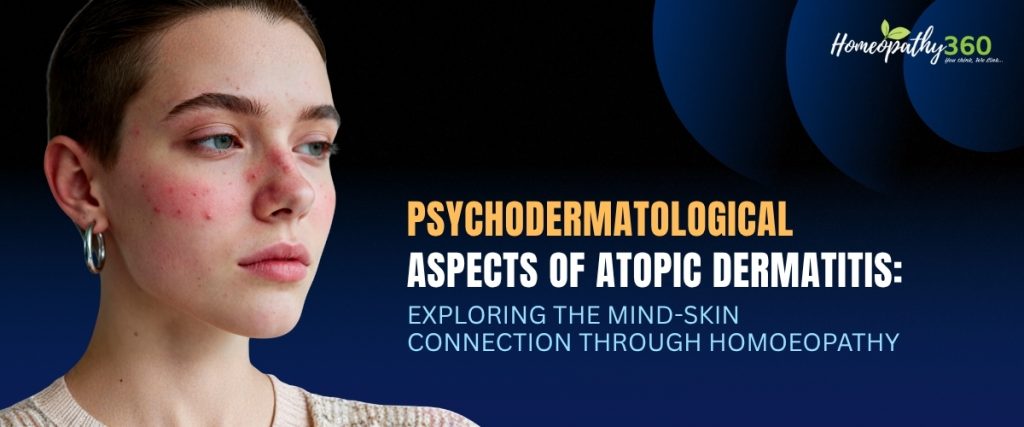
Atopic dermatitis (AD) is a chronic inflammatory skin disorder characterized by pruritus, xerosis, and recurrent eczematous lesions. Beyond its physical manifestations, AD significantly affects psychological well-being and quality of life. Individuals with AD frequently experience anxiety, depression, sleep disturbance, social stigma, and reduced self-esteem. The persistent itch–scratch cycle, visible skin lesions, and unpredictable disease course contribute to emotional distress and psychosocial impairment. This article reviews the psychological burden associated with atopic dermatitis and highlights its impact on mental health, social functioning, and overall quality of life.
Introduction
Atopic dermatitis is a common chronic dermatological condition affecting approximately 15–20% of children and 1–3% of adults worldwide. It is characterized by intense itching, dry skin, and relapsing inflammatory lesions. Although AD is primarily considered a dermatological disorder, its chronic nature and visible symptoms often lead to significant psychological and social consequences. The psychological impact can affect patients of all ages and may extend to family members and caregivers.
Psychological Effects of Atopic Dermatitis
1. Anxiety and Depression
Patients with AD have a higher prevalence of anxiety and depressive disorders compared to the general population. Chronic itching, visible skin lesions, and fear of flare-ups may lead to persistent emotional stress. Studies indicate that individuals with moderate to severe AD are particularly vulnerable to mood disturbances and psychological distress.
2. Sleep Disturbance
Sleep problems are among the most common psychological consequences of AD. Persistent pruritus frequently worsens at night, causing repeated awakenings and poor sleep quality. Sleep deprivation can contribute to
irritability, impaired cognitive performance, and worsening emotional health.
3. Low Self-Esteem and Body Image Issues
Visible lesions on exposed areas such as the face, neck, and hands can negatively affect body image and self-confidence. Many individuals feel embarrassed about their appearance, which may lead to feelings of shame or reduced self-worth.
4. Social Isolation and Stigma
People with AD may avoid social interactions due to concerns about their appearance or fear that others might think the disease is contagious. Social stigma and misunderstanding can lead to withdrawal from social activities and reduced participation in school, work, or community life.
5. Impact on Children and Families
Children with AD often experience behavioral issues, irritability, and difficulty concentrating at school due to itching and sleep loss. The condition also places a psychological burden on caregivers, who may experience stress, fatigue, and anxiety related to managing the disease.
6. Reduced Quality of Life
The chronic and relapsing nature of AD can significantly impair quality of life. Daily treatment routines, trigger avoidance, and persistent symptoms can interfere with normal functioning, productivity, and emotional well-being.
Management of Psychological Impact
Addressing the psychological burden of AD is an essential component of comprehensive treatment. Strategies may include:
● Psychological counseling or cognitive behavioral therapy (CBT)
● Stress management and relaxation techniques
● Patient education about disease management
● Support groups for patients and caregivers
● Integrated dermatological and psychological care
Homoeopathic Management
Homoeopathic physician should carefully evaluate the psychological background of the patient. During case taking, special attention given to:-
1. Emotional triggers
2. Personality traits
3. Behaviour reactions
Explain the chronic but manageable nature of the disease, reduce anxiety about recurrence,encourage the patient to avoid excessive scratching, build self confidence ,specially in adolescents, provide emotional reassurance. With this counselling the homoeopathic remedy also helps to treat like
1. Sulphur
Psychological traits:
● Intellectual but careless about appearance
● Egoistic, philosophical
● Irritable when interrupted
● Lazy yet mentally active
Skin features:
● Burning itching worse at night
● Dry, rough skin
● Heat aggravation
Often used in chronic eczema with scratching due to mental restlessness.
2. Natrum Muriaticum
Psychological traits:
● Introverted, reserved
● Dwells on past grief
● Avoids consolation
● Sensitive and easily hurt
Skin features:
● Dry eczema
● Cracks in skin
● Worse from emotional stress
Common in eczema triggered by grief or emotional suppression.
3. Graphites
Psychological traits:
● Timid, indecisive
● Sad, weepy
● Slow thinking
Skin features:
● Thick, rough skin
● Sticky discharge from lesions
● Eczema in folds (ears, eyelids)
Often seen in chronic eczema with emotional insecurity.
4. Arsenicum Album
Psychological traits:
● Anxiety about health
● Restlessness
● Fear of death
● Perfectionistic
Skin features:
● Burning itching
● Worse at night
● Better by warmth
Often indicated when eczema worsens with anxiety and restlessness.
5. Pulsatilla
Psychological traits:
● Gentle, emotional
● Needs company and reassurance
● Weeps easily
● Changeable mood
Skin features:
● Mild itching
● Worse in warm rooms
● Better in fresh air
Useful when emotional dependency and mood changes accompany eczema.
6. Nux vomica
Psychological traits-
● Anger with habitual malicious, spiteful disposition
● Inclined to find fault and scold, morose, stubborn
● Oversensitive to external impressions, noise, smell
● Light and music are unbearable and effect him much
● Anxiety with irritability
● After anger, chilliness alternating with heat
● Great laziness and aversion to occupy oneself.
Skin features-
● Dry, rough skin
● Redness with itching and sometimes burning
● Worse in cold weather
● Chillblains (cold indused lesion)
● Extremely sensitive to touch, cold air, even slight stimuli may cause discomfort
These approaches can help patients cope more effectively with the emotional challenges associated with chronic skin disease.
Conclusion
Atopic dermatitis is not only a physical condition but also a disorder with profound psychological implications. Anxiety, depression, sleep disturbance, social stigma, and reduced self-esteem are common among individuals affected by AD. Recognizing and addressing these psychological aspects is essential for improving overall patient outcomes and quality of life. A multidisciplinary approach involving dermatologists, psychologists, and caregivers can provide more effective and holistic management of the condition.
Co-Author- Dr Geeta Tiwari
References
1. Silverberg JI. Comorbidities and the impact of atopic dermatitis.
Annals of Allergy, Asthma & Immunology.2019;123(2):144-151. 2. Drucker AM, Wang AR, Li WQ, et al. The burden of atopic dermatitis: Summary of a report for the National Eczema Association. Journal of Investigative Dermatology. 2017;137(1):26-30.
3. Lewis-Jones S. Quality of life and childhood atopic dermatitis. British Journal of Dermatology. 2006;155(1):10-14.
4. Chamlin SL, Chren MM. Quality-of-life outcomes and measurement in childhood atopic dermatitis.Immunology and Allergy Clinics of North America. 2010;30(3):281-288.
5. Kim DH, Li K, Seo SJ, et al. Quality of life and disease severity in patients with atopic dermatitis in Korea.Annals of Dermatology. 2012;24(2):158-166.
6. Allen, H. C. (2024). Allens’ keynotes: Rearranged & classified. B Jain.
7. Wikipedia, Q. (2011). Haus Lippe: Pauline, Stammliste Des Hauses Lippe, Bernhard II., Adolf Zu Schaumburg-Lippe, Armin Prinz Zur Lippe, Gerhard II. Zur Lippe (B. Gruppe, Ed.). Books LLC, Wiki Series.