

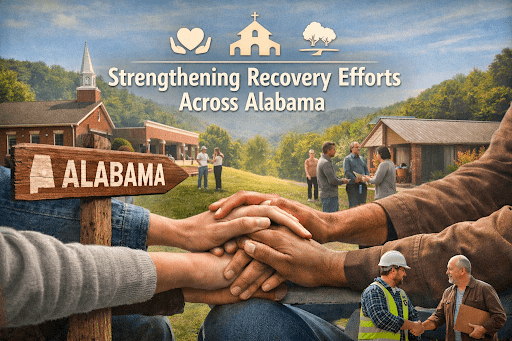
Recovery from substance use is often described as a personal journey, but in reality, it rarely happens alone. Behind every success story is a network of people, places, and community resources working quietly in the background. Across Alabama, local support systems are playing a growing role in helping individuals move beyond addiction and build stable, meaningful lives.
From community-based recovery groups to faith organizations, peer networks, workforce programs, and family education efforts, the recovery landscape is evolving. What’s becoming clear is that long-term healing doesn’t depend on treatment alone—it depends on what happens after, and who is there to help along the way.
This shift toward community-centered recovery is strengthening outcomes across the state and creating a more sustainable path forward for individuals and families alike.
Recovery Is a Community Effort, Not a Single Event
For many years, addiction care was viewed primarily through a clinical lens. Treatment programs were seen as the main solution, with less attention given to the environment people returned to afterward. Today, that perspective is changing.
Research and lived experience both show that recovery is strongest when people have:
- Stable housing
- Supportive relationships
- Access to employment or education
- A sense of belonging and purpose
- Ongoing emotional and peer support
In many parts of Alabama, local communities are stepping up to fill these needs. The growing network surrounding Alabama drug rehab efforts now extends well beyond clinical settings, creating a continuum of care that supports people through every stage of recovery.
The Power of Peer Support
One of the most influential developments in recent years has been the rise of peer-led recovery support. Peer specialists—individuals with lived experience in recovery—offer something that traditional services sometimes cannot: understanding without judgment.
Across Alabama, peer support groups and recovery communities are helping people:
- Stay accountable during early sobriety
- Navigate everyday challenges without returning to substance use
- Build confidence and self-worth
- Feel less isolated
Peer support works because it replaces shame with connection. When someone sees another person who has faced similar struggles and built a stable life, recovery begins to feel possible.
Local recovery meetings, sober events, and peer mentorship programs are becoming essential components of the recovery ecosystem, helping individuals stay engaged long after formal treatment ends.
Faith and Community Organizations as Recovery Anchors
In many Alabama communities, faith-based and civic organizations have long served as trusted sources of support. These groups are now playing an increasingly active role in recovery efforts.
Their contributions often include:
- Hosting recovery meetings or support groups
- Providing transportation to appointments or meetings
- Offering food assistance or temporary housing support
- Creating safe spaces for social connection
- Supporting families affected by addiction
Because these organizations are deeply rooted in local neighborhoods, they often reach people who might not otherwise seek help. Their presence helps normalize recovery and reduce stigma, making it easier for individuals to ask for support.
Family Education: Strengthening the Home Environment
Addiction affects entire families, not just individuals. Without guidance, loved ones may struggle with confusion, guilt, or frustration. In some cases, well-intentioned actions can unintentionally enable unhealthy patterns.
Across Alabama, family education programs are helping relatives and partners learn:
- How addiction affects behavior and decision-making
- Healthy ways to set boundaries
- How to communicate effectively during recovery
- Strategies for rebuilding trust
- Ways to support recovery without taking control
When families understand the recovery process, home environments become more stable and supportive. This reduces stress, lowers relapse risk, and improves long-term outcomes.
Employment and Purpose: A Critical Piece of Recovery
One of the biggest challenges people face after treatment is rebuilding their professional lives. Employment isn’t just about income—it provides structure, confidence, and a renewed sense of identity.
Local workforce initiatives and community partnerships across Alabama are helping individuals in recovery:
- Access job training programs
- Build resumes and interview skills
- Connect with recovery-friendly employers
- Re-enter the workforce after gaps in employment
Having meaningful work reduces financial stress and helps individuals reconnect with their communities. More importantly, it reinforces a powerful message: recovery isn’t about returning to the past—it’s about building a future.
Housing Stability and Recovery Outcomes
Safe, stable housing is one of the strongest predictors of long-term recovery success. Without it, individuals face increased exposure to stress, instability, and environments that may trigger relapse.
Across Alabama, community efforts are expanding access to recovery-friendly housing options, including:
- Transitional living environments
- Sober living homes
- Community housing partnerships
- Local support networks for residents
These environments provide structure, accountability, and a substance-free setting where individuals can focus on rebuilding their lives. When housing is stable, recovery becomes far more sustainable.
Reducing Stigma Through Local Awareness
Stigma remains one of the biggest barriers to recovery. Fear of judgment often prevents people from seeking help, while community misunderstanding can make reintegration difficult.
Local awareness campaigns, recovery events, and community education efforts are helping shift the conversation. Increasingly, addiction is being recognized as a health condition rather than a moral failing.
Across Alabama, communities are:
- Hosting recovery celebrations and awareness walks
- Sharing recovery stories in local media
- Offering educational workshops
- Encouraging open conversations about mental health and substance use
As stigma decreases, more people feel safe asking for help, and individuals in recovery experience greater acceptance and support.
Integrating Mental Health and Recovery Support
Many individuals struggling with substance use also face anxiety, depression, trauma, or other mental health challenges. Community-based mental health services are becoming more integrated into local recovery systems.
This holistic approach allows individuals to address underlying issues rather than focusing only on substance use. Counseling, support groups, and trauma-informed care help people develop healthier coping skills, improving both emotional stability and recovery outcomes.
Rural Communities and the Importance of Local Access
Much of Alabama is rural, which can make access to services more challenging. In response, many communities are developing localized solutions, such as:
- Mobile outreach programs
- Telehealth support
- Community transportation networks
- Local recovery hubs
These efforts ensure that individuals don’t have to travel long distances to stay connected to care. Local accessibility is especially important during early recovery, when consistency and support are critical.
The Role of Connection in Long-Term Healing
At its core, recovery is about connection—connection to people, purpose, and community. Isolation is one of the strongest predictors of relapse, while belonging is one of the strongest protective factors.
Across Alabama, recovery efforts are increasingly focused on helping individuals build:
- Healthy social networks
- Positive daily routines
- Community involvement
- Opportunities to give back
Many people in long-term recovery eventually become mentors, volunteers, or advocates, strengthening the support system for others who are just beginning their journey.
A Stronger Recovery Landscape Through Local Collaboration
What makes Alabama’s approach especially effective is collaboration. Healthcare providers, community leaders, nonprofits, faith organizations, and local volunteers are working together rather than operating in isolation.
This coordinated effort ensures that individuals moving through Alabama drug rehab programs have access to the ongoing support they need to maintain progress and avoid setbacks.
Instead of viewing recovery as a short-term intervention, communities are treating it as a long-term process—one that requires continued care, encouragement, and opportunity.
Moving Forward: Recovery as a Community Priority
The growing strength of local support systems across Alabama reflects a broader shift in how recovery is understood. Success is no longer measured only by treatment completion, but by long-term stability, quality of life, and community reintegration.
When neighborhoods invest in recovery, the benefits extend beyond individuals. Families heal. Workforces grow stronger. Healthcare costs decrease. Communities become safer and more connected.
Recovery doesn’t happen in isolation—it happens in homes, workplaces, churches, community centers, and everyday conversations.
And across Alabama, those local connections are making lasting recovery not only possible, but sustainable.
