Abstract
Iron deficiency anaemia (IDA) is a common health concern among women in the perimenopausal age group, primarily attributed to menstrual irregularities, hormonal fluctuations, and increased iron loss. Conditions such as menorrhagia and dysfunctional uterine bleeding during this transitional phase significantly contribute to declining haemoglobin levels. IDA adversely affects physical capacity, mental well-being, and overall quality of life.
This case report presents a 38-year-old perimenopausal female who reported menorrhagia, fatigue, and pallor. Laboratory investigations confirmed iron deficiency anaemia. The patient was treated with an individualized homoeopathic medicine, prescribed on the basis of totality of symptoms, with repetition as required. Over a period of five months, there was a marked reduction in menstrual blood loss along with significant improvement in haemoglobin levels and general well-being.
Keywords: Iron deficiency anaemia, Menorrhagia, Perimenopause, Individualized homoeopathic medicine.
Introduction
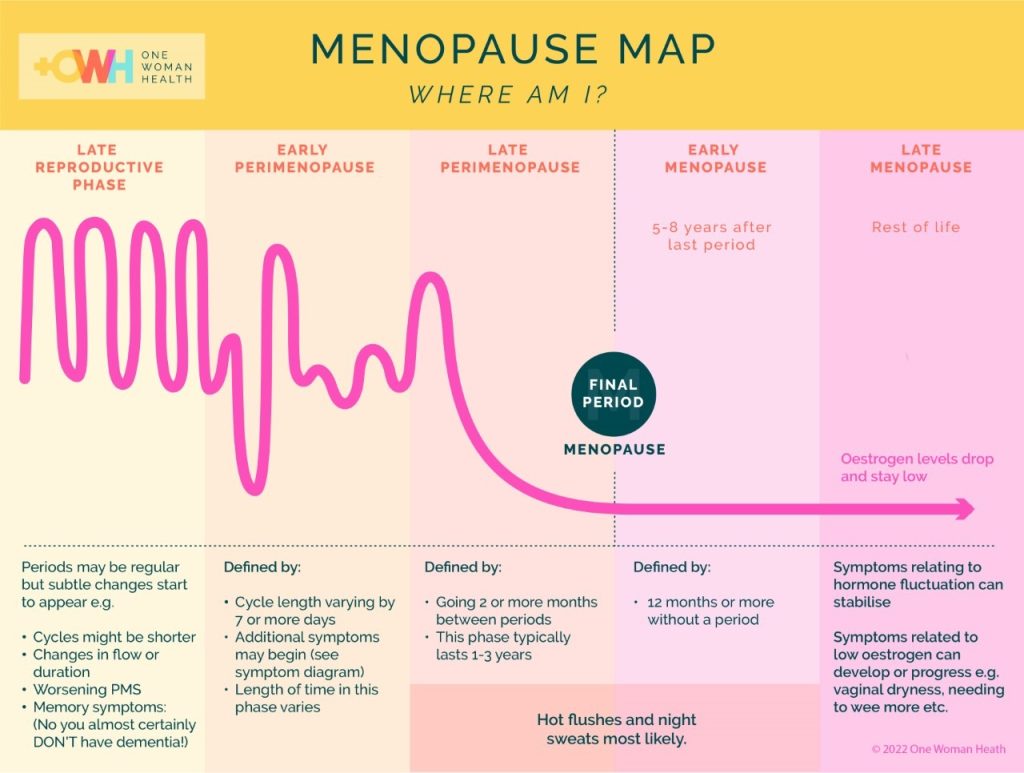
Iron deficiency anaemia (IDA) is the most prevalent nutritional anaemia worldwide and remains a major health concern among women, particularly during the perimenopausal age group. This transitional phase is characterized by hormonal fluctuations, menstrual irregularities, and increased vulnerability to iron depletion. Women frequently present with menorrhagia and abnormal uterine bleeding, leading to chronic depletion of iron stores and the development of nonspecific symptoms such as fatigue, reduced work capacity, dizziness, and impaired cognitive function.
In the years preceding menopause, serum estradiol levels decline significantly. Normally ranging between 50 and 300 pg/mL before menopause, this decline disrupts folliculogenesis and may result in anovulation, oligo-ovulation, premature corpus luteum formation, or luteal insufficiency. Sustained or unopposed estrogen exposure can contribute to endometrial hyperplasia, leading to menstrual abnormalities. Additionally, shortening of the menstrual cycle occurs due to a reduced follicular phase, further increasing the risk of excessive blood loss.
From a homoeopathic perspective, individualized constitutional treatment aims not only at correcting haemoglobin levels but also at addressing the underlying hormonal imbalance, emotional stressors, and overall vitality of the patient.
Commonly indicated homoeopathic medicines in IDA include:
Lecithinum, Ferrum metallicum, Ferrum lacticum, Ferrum phosphoricum, etc.
Case Report
Patient Information
• Name: ABC
• Age / Sex: 41 years / Female
• Religion: Hindu
• Marital Status: Divorced
• Occupation: Employed
• Socio-economic Status: Middle class
Chief Complaints
A 41-year-old female presented with complaints of irregular menstruation for the past 4–5 cycles.
• Menstrual cycles occurring every 15–20 days
• Profuse menstrual bleeding lasting 6–8 days
• Passage of large, dark clots with dark red blood
• Severe fatigue and weakness
• Breathlessness on minimal exertion
LMP: 04/09/2025
Menstrual History
The patient reported excessively heavy menstrual bleeding, requiring approximately 8– 10 fully soaked sanitary pads during the day and one to two pad changes at night. Bleeding was associated with lower abdominal pain and backache beginning two days prior to menses. During menstruation, she experienced severe lower abdominal cramps, marked fatigue, and exhaustion. Post-menstrual weakness was profound and persistent.
Associated Complaints
• Breathlessness on walking short distances or climbing stairs
• Persistent tiredness with unrefreshing sleep
Family History
• Father: Healthy
• Mother: Healthy
Physical Generals
• Appetite: Adequate (three meals/day)
• Desire: Ice cubes (++ )
• Thirst: Increased, prefers cold water
• Sleep: Unrefreshing
• Perspiration: Hot flushes occasionally
• Thermal reaction: Ambithermal
Patient as a Person
The patient was married after completing her 12th standard education and delivered a male child two years later. Initially, married life was satisfactory; however, it deteriorated following her husband’s job loss and subsequent alcohol dependence. Financial support from her mother in-law enabled his continued alcohol consumption. She reported being subjected to physical abuse, leading to significant emotional trauma, helplessness, and despair. She described her marital life as “hell” and felt solely responsible for household and childcare duties. Approximately three years prior to consultation, she legally separated from her husband and began living independently with her child. To support her family, she started a roadside food stall selling vada pav. Ongoing financial stress, coupled with single-handed responsibility, resulted in persistent irritability and anger over trivial matters.
Physical Examination
• Skin: Pale
• Eyes: Pale conjunctiva
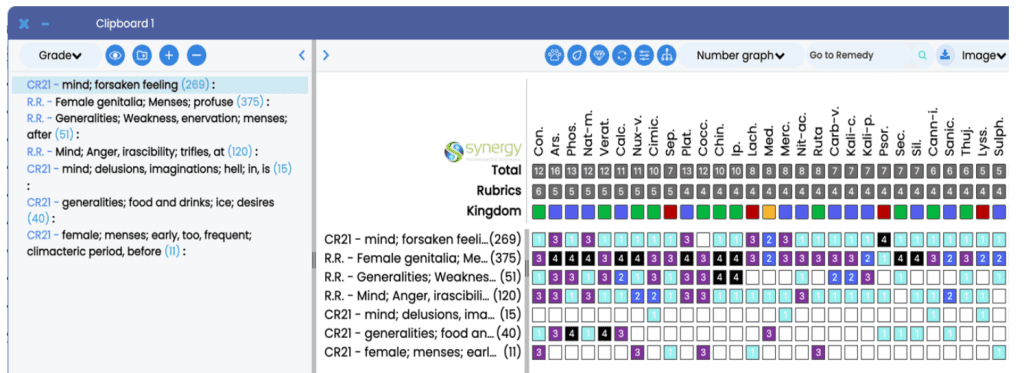
Totality of Symptoms
• Anger over trifles
• Feeling of being alone and unsupported
• Perception of life as miserable
• Financial anxiety
• Desire for ice cubes (++ )
• Hot flushes
• Profuse menstrual bleeding
• Menses too early and frequent before climacteric period
• Marked weakness after menses
• Large dark clots with dark red menstrual blood
Investigations
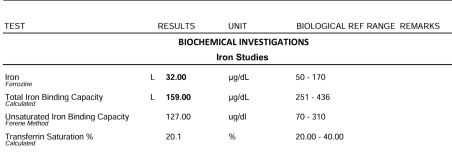
Baseline investigations were performed on 09/09/2025, confirming iron deficiency anaemia (reports attached).
Rubrics
Prescription
Date: 07/09/2025
• Conium maculatum 200C – once daily for 7 days
• Saccharum lactis – twice daily for 15 days
Advice: Iron profile investigations.
Follow-Up
First Follow-Up (21/09/2025)
• LMP: 20/09/2025
• Menstrual flow still profuse (8–10 pads/day)
• Abdominal cramps persistent
• Generalized weakness continues
• Hot flushes mildly reduced
Prescription:
• Conium maculatum 200C – 3 doses once daily for 3 days
• Saccharum lactis – twice daily for 15 days
Second Follow-Up (06/10/2025)
• Weakness improved
• Perspiration reduced
• Pallor reduced
Prescription:
• Saccharum lactis – twice daily for 15 days
Third Follow-Up (13/10/2025)
• LMP: 11/10/2025
• Menstrual flow reduced (5–6 pads/day)
• Abdominal cramps reduced
• Breathlessness persists mildly
• No pallor observed
Prescription:
• Conium maculatum 200C – single dose
• Saccharum lactis – twice daily for one month
Fourth Follow-Up (13/11/2025)
• LMP: 08/11/2025
• Menstrual flow further reduced (3–4 pads/day)
• Mild cramps only
• No weakness during menses
Prescription:
• Saccharum lactis – twice daily for one month
Fifth Follow-Up (14/12/2025)
• LMP: 06/12/2025
• Menstrual flow normalized (2–3 pads/day)
• Minimal abdominal pain
• No weakness or breathlessness
• Pallor absent
Advice: Repeat iron profile.
Outcome
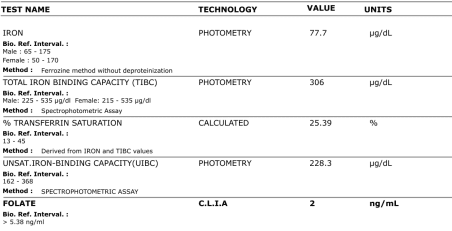
Repeat investigations performed on 17/12/2025 showed significant improvement in haemoglobin and iron profile parameters.
Discussion
Iron deficiency anaemia during the perimenopausal period commonly develops due to the combined influence of hormonal instability, recurrent heavy menstrual bleeding, and prolonged emotional stress. In the present case, frequent and excessive menstruation along with sustained psychological and financial stress significantly contributed to progressive anaemia and reduced vitality. Such presentations emphasize the importance of treating the individual as a whole rather than focusing solely on laboratory parameters.
Homoeopathic management was guided by the totality of characteristic symptoms, including early and profuse menses before the climacteric period, post-menstrual weakness, desire for ice, hot flushes, irritability, and feelings of isolation. Conium maculatum was prescribed based on its correspondence with both the physical and emotional symptom profile of the patient.
Following constitutional treatment, a gradual reduction in menstrual blood loss and marked improvement in general health were observed, followed by normalization of iron parameters. This case illustrates the usefulness of individualized homoeopathic treatment in managing iron deficiency anaemia associated with perimenopausal menstrual disturbances.
Conclusion
This case highlights the effectiveness of an individualized homoeopathic approach in the management of iron deficiency anaemia associated with perimenopausal menstrual disturbances. Constitutional prescribing not only corrected haemoglobin levels but also addressed emotional stress, hormonal imbalance, and overall vitality. The outcome demonstrates the potential role of homoeopathy in managing stress-related menstrual disorders and improving quality of life in perimenopausal women.
Co-Author-
Dr. Harsh Chevli, Assistant professor of department of Practice of Medicine,
C D Pachchigar Homeopathic College of Medicine and Hospital, Udhna Darwaja, Bhatar Road, Surat, Gujarat., 395001
References
1. Dutta DC. Textbook of Gynecology. 7th ed. New Delhi: Jaypee Brothers Medical Publishers; 2016. p. 84–102.
2. Boericke W. Pocket Manual of Homoeopathic Materia Medica. New Delhi: B Jain Publishers; 2007.
3. Allen HC. Keynotes and Characteristics with Comparisons. New Delhi: B Jain Publishers; 2005.
4. Kent JT. Lectures on Homoeopathic Materia Medica. New Delhi: B Jain Publishers; 2003.
5. Hahnemann S. Organon of Medicine. 6th ed. New Delhi: B Jain Publishers; 2002.
6. World Health Organization. Worldwide prevalence of anaemia 1993–2005: WHO Global Database on Anaemia. Geneva: WHO; 2008.
7. Hallberg L, Hultén L, Lindstedt G. Iron deficiency and iron deficiency anaemia in women. Scand J Haematol Suppl. 1981;28:1–92.