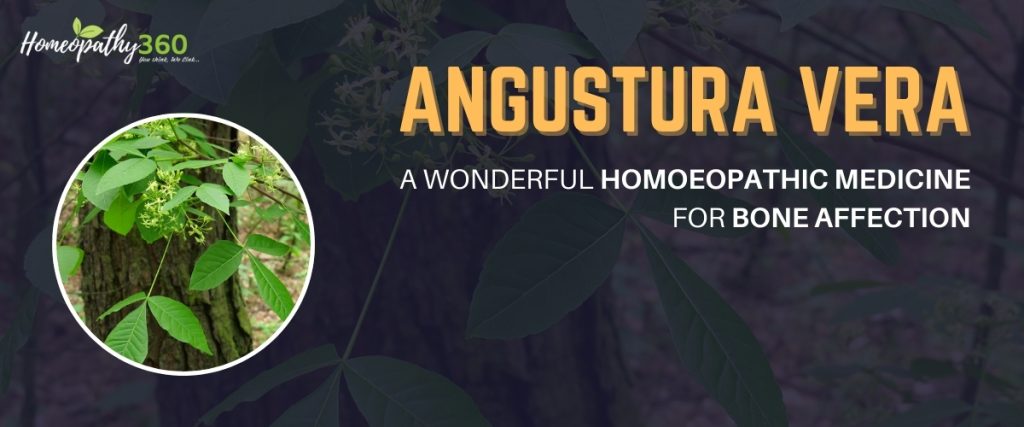
Angustura Vera
Medicine Prepared from : Bark of Galilea caspari
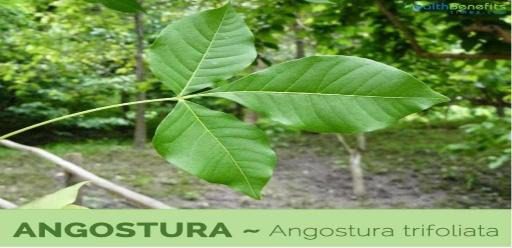
Kingdom : Plant
Common name : Galilea officinalis , Angustria trifoliata
Family : Rutaceae
Description of Plants:.
It is a medicinal plant native to South America. Angostrua is an ambiguous tree or shrub which grows between 10 meters and 20 meters in height. The plant has a straight stem irregularly branched, covered with smooth plenteous chunky external grey bark with a musty smell and bitter taste. Angostura was used in the treatment of fevers, where it was believed to be as effective as quinine. Its bark has got amazing soothing and anti-inflammatory properties that are useful in providing quick and safe recovery from numbness, palsy and tremors. Bark helps in improving appetite, assisting in digestion, weight loss and alleviating stomach pain.
Preparation: The bark is processed into a homoeopathic tincture or dilution (Angustura vera).
Historical note: Introduced by Hahnemann in his Materia Medica Pura (1817).
Homoeopathic therapeutic value in bone affection
- This remedy was first introduced by Hahnemann in his materia Medica pura in the year 1817.
- A Wonderful remedy for the Avascular necrosis of long bones especially head of femur. Caries of long bones and Great difficulty in walking
- Excessive crackling at the joints and Excessive heaviness at the thighs
- Cramps – hip joint and knee joint < standing, walking
- Inflammation of joints and Numbness of lower limbs when crossing the legs
- Caries, very painful ulcer which affect the bone
- Drawing , tension and stiffness at joints and Bony growth, shine bone
- Tearing as it in the bones < at rest, < exertion, < Pressure & > cold application and extension
- Pain as at dislocation or of cramp in the coxo-femoral joint in the legs and feet
- Pain from fatigue, in the thighs and in the legs when walking as they were going to break. Pressive drawing in all parts of lower extremities
- Pain in the joint at the foot on putting it down produces lameness.
- Sensation of weakness and at stiffness in the whole body, as if the marrow of the bone were stiff
- Caries and painful ulcers which affect the bones and perforate them even to the marrow
- Cramping pain and bruised feeling in legs and When stepping, pain in inner side of ankles, necessitating limping
Clinical Application
- Avascular necrosis of long bones.
- Chronic joint pain and stiffness.
- Bone caries with inflammation.
Key Symptoms:
Musculoskeletal Issues: Great difficulty in walking, crackling in joints, stiffness, and tension in muscles and joints.
Bone Affections: Caries of long bones, painful ulcers affecting the bone.
Digestive System: Bitter taste, irresistible desire for coffee, atonic dyspepsia, and belching with cough.
Nervous System: Oversensitivity, headache with facial heat, and paralysis.
Comparisons with Other Remedies
- Ruta graveolens: More for periosteal Pain, bone bruises, and strain (mechanical trauma focus).
- Symphytum officinale: Targets bone fractures, repair, and neuralgia (repair and trauma focus).
- Calcarea phosphorica: For slow bone healing, nutritional deficiencies, and joint pain in growing individuals.
Recommended Dosage:
The sixth potency is commonly used in homoeopathic practice
Reference
- www. Wikipedia.org
- www.abchomoeopathy.com
- www.heathbenifitstimes.com
- A Pocket manual at homoeopathic materia Medica and repertory by William Boricke
- A Dictionary of Practical Materia Medica by J.H.cleark
- Materiamedica.in
- Homeoint.org