Abstract
Alcohol dependence is a long-standing condition that negatively influences not only the affected person but also their family, especially the spouse. Among family members, depression is one of the most frequently seen consequences. This paper discusses how homeopathy can support the management of depression in such spouses, with an emphasis on individualized prescriptions based on the totality of symptoms, repertorial study, and materia medica references.
Keywords
Depression , homeopathy , Natrium muriaticum
Introduction
Alcoholism has wide-ranging effects on physical, psychological, and social health. Its impact, however, is not confined to the drinker alone; it often disrupts the lives of those closely associated with them. Spouses are particularly vulnerable to reactive depression due to their constant emotional involvement and social responsibilities. Clinical features may include hopelessness, prolonged sadness, somatic complaints, and psychosomatic disorders [1].
Homeopathy, with its holistic and individualized approach, aims to relieve not only the overt symptoms of depression but also the hidden emotional distress, coping capacity, and constitutional makeup of the affected spouse [2, 3].
The supportive role of homeopathy in depression linked to alcohol dependence in a partner includes: Reducing feelings of sadness and emotional pain [2],enhancing adaptability and emotional resilience. Addressing somatic expressions such as headaches, gastric complaints, and palpitations [4]. Promoting better sleep and reducing fatigue caused by prolonged stress [5].
Certain rubrics from classical repertories are especially useful in such cases [5]:
• Mind: Grief – ailments from
• Mind: Sadness—Chronic alcoholism in family, from
• Mind: Anxiety – family matters, about
• Mind: Weeping—involuntary, tearful mood
• Sleep: Sleeplessness—from worry, grief
• Generalities: Weakness – nervous; stress after
A repertorial analysis often highlights medicines such as Ignatia, Natrum muriaticum, Sepia, Aurum metallicum, Pulsatilla, and Kali phosphoricum as prominently indicated [6].
In different homoeopathic Materia medica different medicines which are useful for managing depression is given for example: Ignatia amara is well suited to grief, emotional shocks, silent suffering, mood changes, and insomnia .Natrum muriaticum: For introverted individuals with unexpressed grief, prolonged sadness, and headaches triggered by suppressed emotions. Sepia officinalis is good for irritability, emotional indifference, family aversion, and depression linked with hormonal imbalance . Aurum metallicum is indicated in deep despair, feelings of worthlessness, and suicidal tendencies .Kali phosphoricum is very beneficial in nervous exhaustion, weakness, and depression following prolonged strain. Pulsatilla is Suited to tearful, emotionally dependent individuals who seek consolation, often with hormonal fluctuations [6].
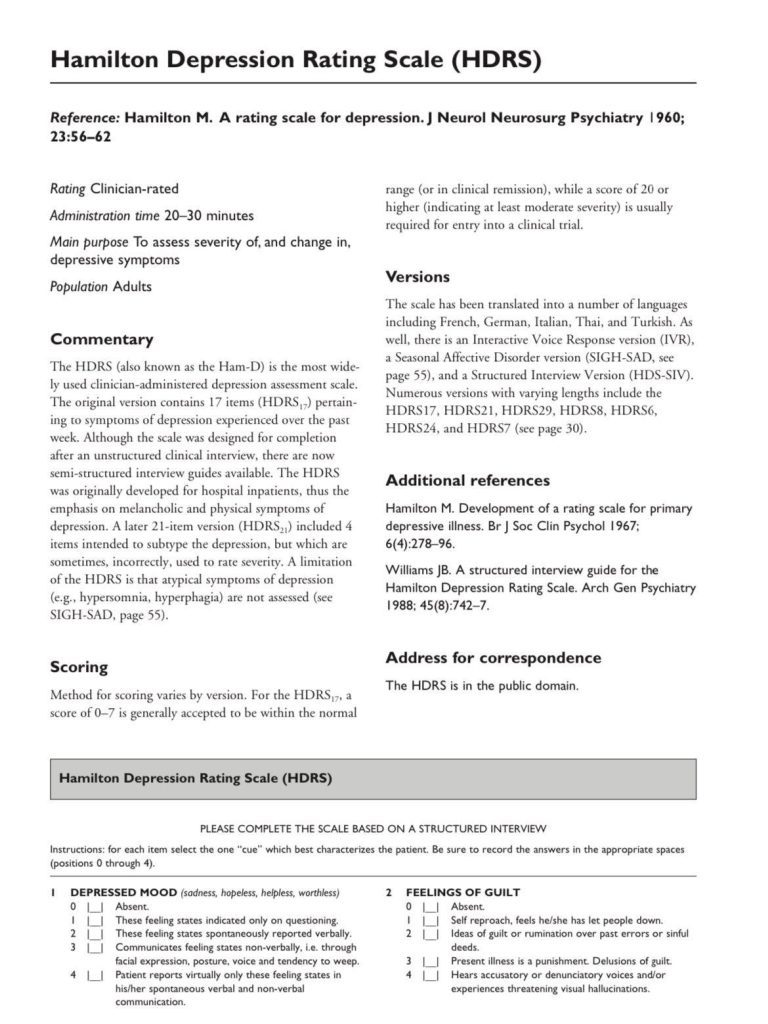
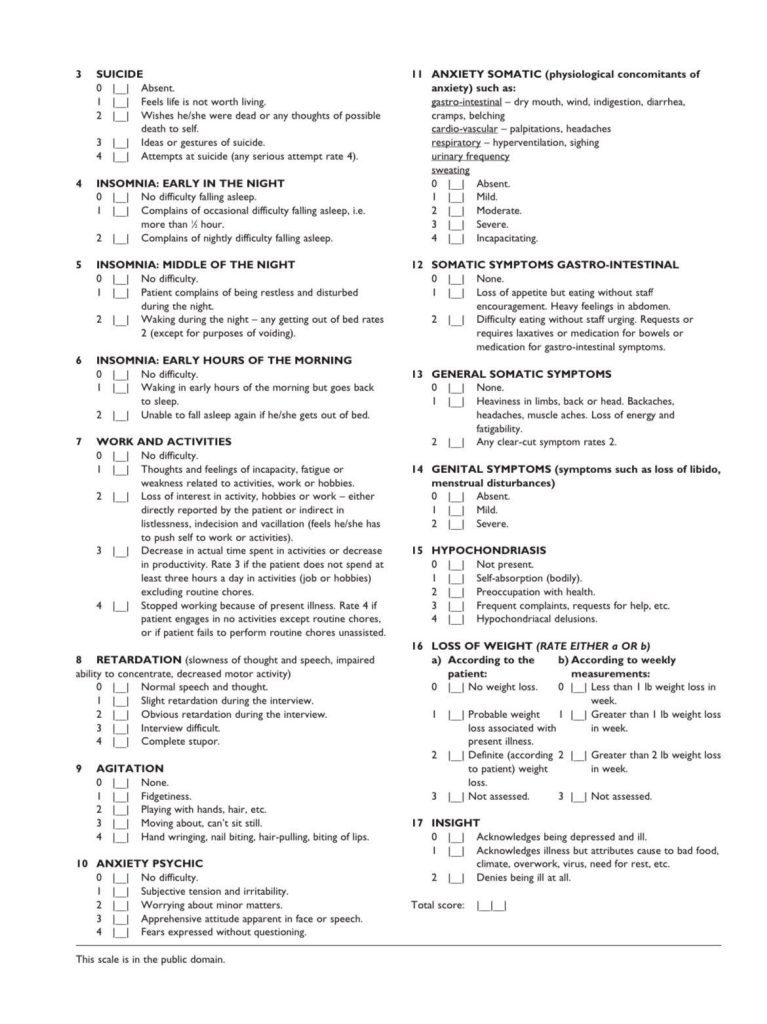
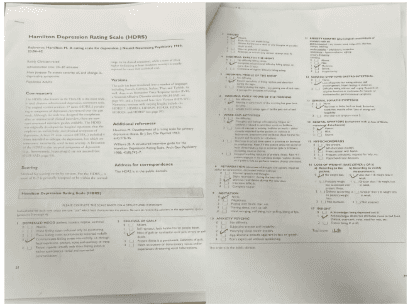
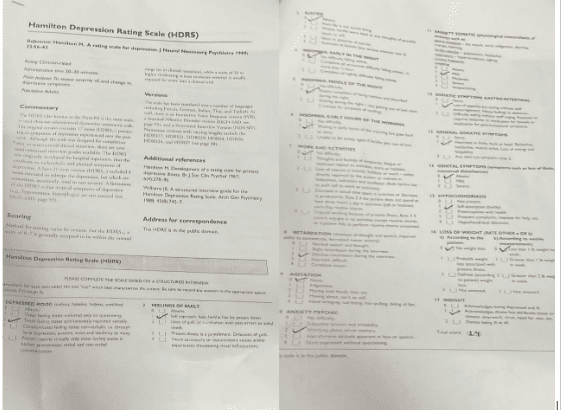
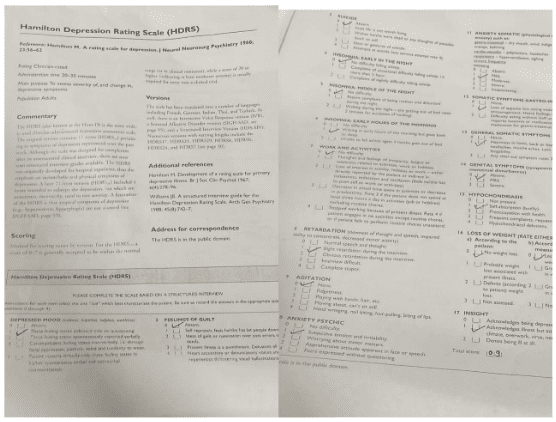
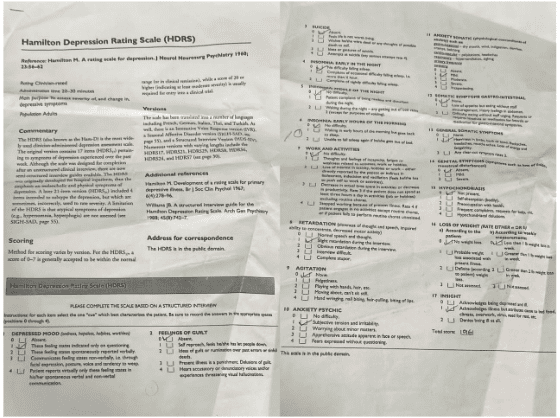
I am explaining the efficacy of homoeopathic medicines in the management of depression among spouses of alcoholic individuals with an example of a case. I used Hamilton depression rating sacle for the assessment of severity of depression [7]
HOMOEOPATHIC CASE
Patient Profile
• Age/Sex: 31-year-old female
• Marital status: Married for 5 years
• Presenting complaint: Persistent low mood and sadness since 6 months, gradually worsening due to husband’s chronic alcoholism and physical + mental abuse.
Presenting Symptoms
Persistent sad mood
Increased weakness
Feeling of worthlessness and helplessness .
Loss of interest in day to day activities
Disturbed sleep due to anxious thoughts
Reduced appetite with no desire to eat
Anxiety with palpitation , headache < morning , bed time
History of presenting complaints
Complaints started gradually a few years after her marriage and aggravated for 6 months. Husband is an alcoholic which she got to know after marriage only. He used to abuse her both mentally and physically. He even uses bad words against her and is very suspicious of her. Now she has lost all interest in day-to-day activities. lack of appetite and desire to eat. What she has towards her husband now is just hatred with self guilt and worthless feeling. Feeling as if she is alone and helpless. Sleep is disturbed due to anxious thoughts. It takes a long time to fall asleep and wake up in the middle of night. She cannot weep infront of anyone. Anxious thoughts are also present along with palpitation and headache.< morning and bed time
Past history :
| Age (years ) | Disease | Treatment | Result |
| 12 | Migraine | Homeopathy | Relieved |
| 25 | Haemorrhoids | Homeopathy | Relieved |
Family history : father had hypertension he is no more passed away from heart attack . mother is having insomnia and taking homoeopathic medication since 4 years .
Menstrual history : menarche at the age of 14 years , regular menses . backache present during first 2 days of flow
Obstetrical history : she has 1 , three year old male child . it was a normal delivery. No history of abortion .
Other symptoms considered for remedy selection :
Reserved nature
Hot patient
Great thirst for ,large quantities of water
Desire to add salt in extra while eating
White dandruff with itching
Miasmatic Background
• Psoric: Suppressed grief, hypersensitivity, silent suffering, weeping.
• Sycotic: Suppression, fixed ideas of hatred, brooding over past insults.
• Syphilitic: Hopelessness, destructive thoughts (possible if suicidal ideation progresses).
→ Predominant miasm : Psora-Sycosis complex, with risk of syphilitic evolution if condition worsens (self-destructive despair).
Probable Diagnosis
• Major Depressive Disorder (MDD) – according to DSM-5
DSM-5 Criteria for Major Depressive Disorder (Satisfied in this case)
At least 5 or more symptoms present during the same 2-week period (nearly every day), causing distress and functional impairment:
1. Depressed mood most of the day (sadness, grief, hopelessness).
2. Markedly diminished interest/pleasure in marriage, relationships, and daily activities.
3. Psychomotor retardation / helplessness (expressed as inability to act or leave situation).
4. Fatigue / loss of energy (secondary to emotional stress).
5. Feelings of worthlessness or excessive guilt (common in abused women).
6. Diminished ability to think or concentrate (mental dullness from grief).
7. Recurrent thoughts of hopelessness (not suicidal yet, but despairing).
→ Criteria A met (≥5 symptoms).
→ Criteria B (clinically significant distress in social, marital, occupational functioning) met.
→ Not attributable to substances/medical condition.
Final DSM-5 diagnosis: Major Depressive Disorder, recurrent, moderate to severe, situational (domestic abuse).
Analysis of symptoms according to Dr J T Kent
Mental generals :
- Ailments from – after being abused both physically and mentally
- Prolonged grief
- Hatred towards husband situation
- Feeling of helplessness
- Cannot weep even though she is sad
Physical generals
Hot patient
Thirst for large quantities of water
Desire salt
Particulars
White itchy dandruff
REPERTORIAL ANALYSIS
- MIND -AILMENTS FROM – abused, after being
- MIND -GRIEF – prolonged
- MIND -HATRED
- MIND-HELPLESSNESS, feeling of
- MIND-WEEPING – cannot weep, though sad
- STOMACH – THIRST – large quantities for
- GENERALS – FOOD & DRINKS – desire for salt
REPERTORIAL RESULT
Natrum mur – 21/7
Phosphorus – 10/5
Ignitia -9/5
Staphysagria 8/6
Carciniocin – 7/6
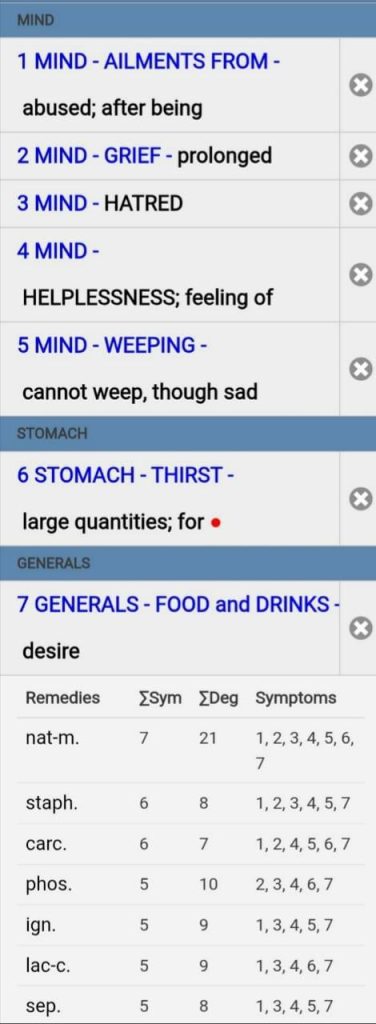
REPERTORIAL CHART (SYNTHESIS REPERTORY )
Homeopathic Remedy Selection
Keynote Totality Fitting Natrum muriaticum
• Ailments from grief, abuse, disappointed love
• Prolonged silent grief, dwells on past hurts
• Hatred and resentment but cannot openly express.
• Helpless, reserved, cannot weep though sad.
• Thirst for large quantities of water.
• Strong craving for salt.
• Reserved, dignified, suffers in silence.
Remedy: Natrum muriaticum 200C / 1M (single dose, wait and watch)
→ Followed by placebo and observation.
→ Repetition only if relapse / symptoms return.
Follow up
| Date | Symptoms | Prescription |
| 4/8/25 | Persistent sadness and low mood Loss of interest in day to day activities Disturbed sleep Anxiety Weakness Guilt and worthlessness HAMD SCORE =19 | Rx NATRIUM MURIATICUM 1M /1 DOSE (Early morning empty stomach)Rubrum / 2 Dram tds Advised CBT , yoga , meditation . |
| 19/8/25 | Persistent sadness and low mood reduced in intensity Loss of interest in day to day activities reduced in intensity .Sleep improved Anxiety persist Weakness Guilt and worthlessness HAMD SCORE =14 | Rx Rubrum /1 DOSE ( Early morning empty stomach) Phytum/ 1 dram tds Advised to continue CBT , yoga , meditation . |
| 1/9/25 | Persistent sadness and low mood reduced very much in intensity Sleep improved Anxiety persist Weakness reduced NO guilt and worthlessness HAMD SCORE =09 | |
| 17/9/25 | Self satisfaction Doing all the day to day activities without any negative feeling .Occasional anxiety HAMD SCORE =06 | Rx Rubrum 1 dram / tdsAdvised to continue meditation and yoga. |
(4/8/25)
⸻
(19/8/25)
(1/9/25)
(17/9/25)
Conclusion :- depression is very much evident among spouses of alcoholic individuals. Early diagnosis and management is very much needed in this condition. Homeopathy is very effective in the management of depression if we ae prescribing upon its principles. A good result by natrum muriaticum , was noted during the follow-up of the case.
REFERENCES
1. Pilkington K, Kirkwood G, Rampes H, Fisher P, Richardson J. Homeopathy for depression: a systematic review of the research evidence. Homeopathy. 2005;94(3):153–163.
2. Adler UC, Paiva NMP, Cesar AT, Adler MS, Molina A, Padula AE. Homeopathic individualized Q-potencies versus fluoxetine for moderate to severe depression: a double-blind, randomized non-inferiority trial. Evid Based Complement Alternat Med. 2011;2011:520182.
3. Pilkington K. Anxiety, depression, and homeopathy: a review of the clinical evidence. Eur J Integr Med. 2007;2(2):76–82.
4. National Center for Complementary and Integrative Health (NCCIH). Homeopathy: An Introduction. https://www.nccih.nih.gov
5. Kent JT. Repertory of the Homoeopathic Materia Medica. 6th ed. New Delhi: B. Jain Publishers; 2004.
6. Boericke W. Pocket Manual of Homoeopathic Materia Medica. 9th ed. New Delhi: B. Jain Publishers; 2005.
7. Ufl.edu. [cited 2025 Sept 26]. Available from: https://dcf.psychiatry.ufl.edu/files/2011/05/HAMILTON-DEPRESSION.pdf