Abstract:
Background: Heart Failure with reduced Ejection Fraction is a global health challenge. Conventional treatments often manage symptoms but struggle to significantly reverse myocardial damage. This study explores the efficacy of individualized homeopathy in enhancing Left Ventricular Ejection Fraction (LVEF%).
Methods: A longitudinal study of 24 patients (Ages 16–76) with reduced EF was conducted. Treatment was based on the homeopathic principle; Progress was monitored via 2D-Echocardiography.
Results: All 24 cases showed a significant increase in LVEF. Notable cases include a 16-year-old improving from 15% to 27% and a 52-year-old improving from 10-15% to 35%.
Conclusion: Individualized homeopathic intervention is an effective, non-invasive, and safe method to improve cardiac pumping power.
Introduction:
The pumping efficiency of the heart, measured as Ejection Fraction (EF), is the gold standard for assessing cardiac health. When the EF drops below 25%, the body fails to receive adequate oxygenated blood, leading to dyspnoea, oedema, and cardiac cachexia. This research focuses on the clinical documentation of 24 patients whose heart function was improved through homeopathic constitutional management.
Ejection Fraction (EF):
Ejection Fraction (EF) is a vital clinical metric used to evaluate the pumping efficiency of the heart. It represents the percentage of blood expelled from the ventricles (the heart’s lower chambers) during each contraction.
Essentially, it tracks how well the heart supplies oxygenated blood to the rest of the body.
How it is Measured?
The heart functions in cycles. Between beats, the ventricles fill with blood. During a beat, the heart squeezes to push blood out. EF is the ratio of blood pumped out compared to the total volume that was initially in the chamber.
Standard EF Reference Ranges:
A “normal” EF does not mean 100%. A healthy heart typically pumps out a little more than half of the blood in the chamber.
- Normal LVEF% – 52% – 72%
- Mildly Reduced- 41% – 51%
- Moderately Reduced 30% – 40%
- Severely Reduced Under 30%
LVEF vs. RVEF: Most assessments focus on the Left Ventricular Ejection Fraction (LVEF) as it is responsible for systemic circulation. The Right Ventricular Ejection Fraction (RVEF) tracks blood flow to the lungs.
Significance: Monitoring EF is crucial for diagnosing heart failure and determining the effectiveness of cardiac treatments or medications.
Case Objective:
Project Title: Successful Clinical Observation and Improvement in Left Ventricular Ejection Fraction (LVEF%) in 24 CHF Patients:
Primary Case Objectives: Quantitative LVEF% Improvement: To analyse and document a specific increase in Left Ventricular Ejection Fraction (LVEF) in 24 patients through targeted homeopathic intervention.
Restoration of Myocardial Efficiency: To demonstrate how the homeopathic protocol strengthens the heart’s pumping capacity and improves overall hemodynamic stability.
Symptomatic Remission Monitoring: To evaluate the reduction in clinical signs of heart failure, specifically targeting shortness of breath, peripheral oedema, and chronic fatigue.
Standardization of Complementary Care: To establish a safe, non-invasive clinical model that can be used alongside conventional treatments to improve patient survival rates.
Originality and Methodological Indicators:
Evidence-Based Observation: This report is based exclusively on pre- and post-treatment echocardiogram (echo) data from 24 unique cases.
Comparative Analysis Framework: We utilized a comparative study model comparing cardiac function before and after the treatment period.
Functional Grade Improvement: We tracked each patient’s functional classification, documenting their transition to a stable, functional life.
Safety Monitoring: A dedicated safety assessment confirmed cardiac support without pharmacological side effects.
Methodology:
Study Design: This is a retrospective and prospective clinical case series. This clinical observation involved a group of 24 patients with congestive heart failure (CHF). The main inclusion criterion was documented reduced left ventricular ejection fraction (LVEF%).
Inclusion Criteria: Patients with reduced LVEF% as determined by 2D-echo, presenting with symptoms such as fatigue, oedema, cough, and shortness of breath.
Intervention: According to the principles of homeopathy, the “totality of symptoms” was considered holistically, encompassing physical, mental, and pathological reports.
Evaluation: The primary outcome measure was the change in LVEF percentage, which was recorded by independent diagnostic centres to maintain objectivity.
Baseline Assessment: At the beginning of the study, a comprehensive clinical profile was created for each patient. This included a physical examination and a mandatory baseline echocardiogram (2D echo) to record initial cardiac pumping capacity and myocardial status.
Homeopathic Intervention (Therapeutic Approach): The methodology focused on individualized homeopathic therapy. Instead of a generic medication, treatments were selected through a rigorous process, analysing each patient’s unique physical and mental symptoms within the totality of symptoms. Potency selection was based on the patient’s sensitivity and the severity of the cardiac pathology. Standard dietary advice and fluid management were strictly followed.
Data Collection and Comparative Analysis: The effectiveness of the methodology was measured by comparing pre-treatment echo reports with post-treatment echo reports.
Case Series Data and Results:
The following table summarizes the data of the patients treated in this study:
| CASE NO: | AGE | BEFORE LVEF%Baseline EF (%) | AFTER LVEF%Post-Treatment EF(%) |
| 1. | 62 | 35%-40% | 45% |
| 2. | 39 | 25-30% | 40% |
| 3. | 71 | 20% | 35% |
| 4. | 16 | 15% | 27% |
| 5. | 47 | 25% | 34% |
| 6. | 68 | 20% | 25-30% |
| 7. | 55 | 30% | 55% |
| 8. | 52 | 10-15% | 35% |
| 9. | 68 | 35% | 40% |
| 10. | 70 | 25% | 40% |
| 11. | 63 | 50% | 55% |
| 12. | 64 | 25% | 40% |
| 13. | 50 | 45-50% | 60% |
| 14. | 76 | 30% | 35% |
| 15. | 65 | 50% | 75% |
| 16. | 76 | 30-35% | 60% |
| 17. | 65 | 20% | 45-50% |
| 18. | 57 | 20%-25% | 32% |
| 19. | 62 | 25% | 35% |
| 20. | 65 | 50% | 75% |
| 21. | 18 | 15-20% | 30% |
| 22. | 60 | 15% | 30% |
| 23. | 55 | 25% | 60% |
| 24. | 22 | 50% | 60% |
Investigation:
CBC- Complete Blood Count
ESR- Erythrocyte Sedimentation Rate CRP- C-Reactive Protein.
Serum -Pro BNP URINE-R
USG-W/A 2D ECHO
LFT- liver function test RFT- renal function test HBA1C
ECG
Chest X-Ray (PA View)
Pathophysiological analysis:
In cases 3, 4, 6, 8, 18, and 22, the ejection fraction (LVEF%) was between 10-20%, and a clinically significant increase in LVEF was observed. This improvement was seen in patients aged 16 to 76 years, demonstrating that homeopathic medicines are effective even at such low ejection fraction levels across a wide age range; the 2D echocardiogram provides clear evidence of this. This is a major victory for homeopathy, and it has proven its efficacy.
Age-Related Response:
The study observed that younger patients (Case 4, 16 years) showed faster regenerative capacity, but even
geriatric patients (Case 3,10,14,16- 76 years) responded positively, indicating that the homeopathic stimulus is effective regardless of age.
Materia Medica Correlation: Commonly used remedies in these cases included: Crataegus , Terminalia Arjuna, Phosphorus, Acid Phos, Mercurius Solubilis, Natrium Muriaticum, lycopodium, Arnica, pulsatilla, Bryonia etc.
Conclusion:
This case series of 24 patients provides substantial clinical evidence that individualized homeopathic treatment can significantly improve Ejection Fraction. This study encourages the integration of homeopathy into mainstream cardiology to provide a better quality of life and reduced mortality for heart failure patients.
Discussion:
The clinical outcomes of this study, conducted on 24 patients, demonstrate a positive correlation between the administered homeopathic protocol and the recovery of myocardial function. The main observation was a consistent increase in left ventricular ejection fraction (LVEF%), suggesting that the treatment works at the cellular level and enhances the contractility of the heart muscle.
This intervention supports the regenerative capacity of the myocardium. The physiological improvement was not limited to diagnostic reports; it was also clinically evident through the stabilization of the patients’ heart rate and a significant reduction in fluid retention (edema).
Furthermore, the data suggest that homeopathy can act as a powerful synergistic therapy. The fact that all 24 patients showed improvement to varying degrees without any “aggravation” or side effects highlights the high safety profile and therapeutic potential of this approach in the management of chronic heart failure.
CONCLUSION:
The clinical study conducted on these 24 patients provides compelling evidence that targeted homeopathic intervention significantly improves Left Ventricular Ejection Fraction (LVEF%) in patients with Congestive Heart Failure. The consistent growth in heart pumping efficiency, combined with the marked reduction in clinical symptoms, demonstrates that this treatment is both effective and sustainable. This study concludes that integrating such specialized protocols into cardiac care can drastically improve patient survival rates and enhance the overall quality of life.
Acknowledgement:
The authors would also like to thank Dr. Vijay Kumar for technical assistance in preparing the manuscript.
Conflict of interest:
The authors declare no conflict of interest.
REFERENCES:
- Hahnemann, S. (1921). Organon of Medicine (6th ed.).
- Boericke, W. (1927). Pocket Manual of Homoeopathic Materia Medica.
- Yancy, C. W., et al. (2013). “ACCF/AHA Guideline for the Management of Heart Failure
- World Health Organization (WHO). “General Guidelines for Methodologies on Research and Evaluation of Traditional Medicine.”
- Allen, T. F.. The Encyclopaedia of Pure Materia Medica.
- Braunwald, E. Heart Disease: A Textbook of Cardiovascular Medicine. Elsevier Health Sciences.
- https://my.clevelandclinic.org/health/articles/16950-ejection-fraction ( 2D – ECHO) (BEFORE & AFTER )
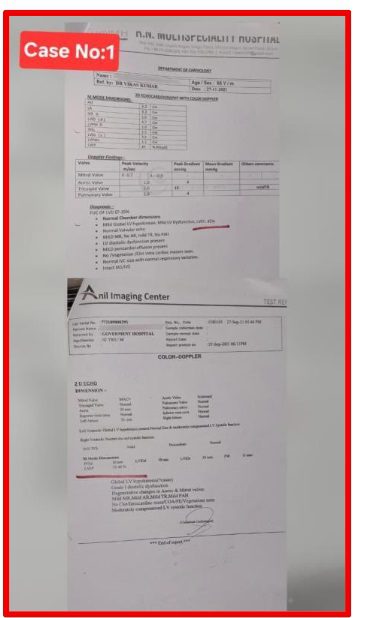
Case Number : 1 ( 2D – ECHO) (BEFORE & AFTER )
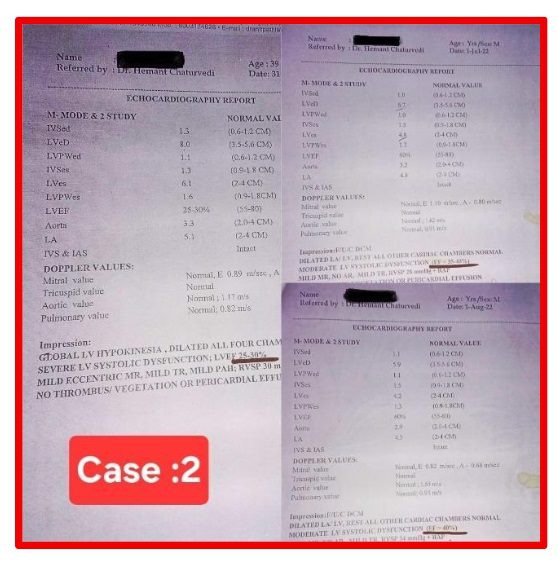
Case Number : 2 ( 2D – ECHO) (BEFORE & AFTER )
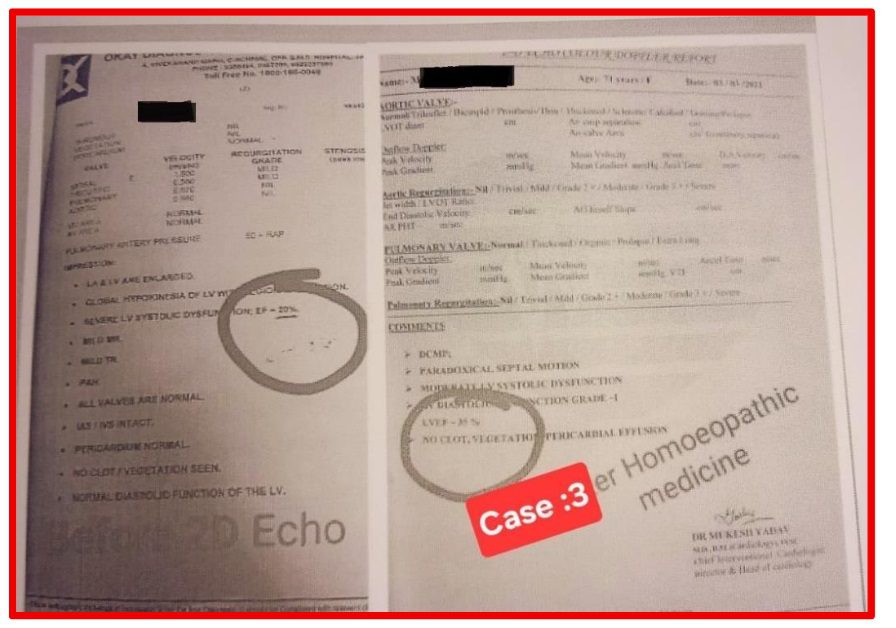
Case Number : 3 ( 2D – ECHO) (BEFORE & AFTER )
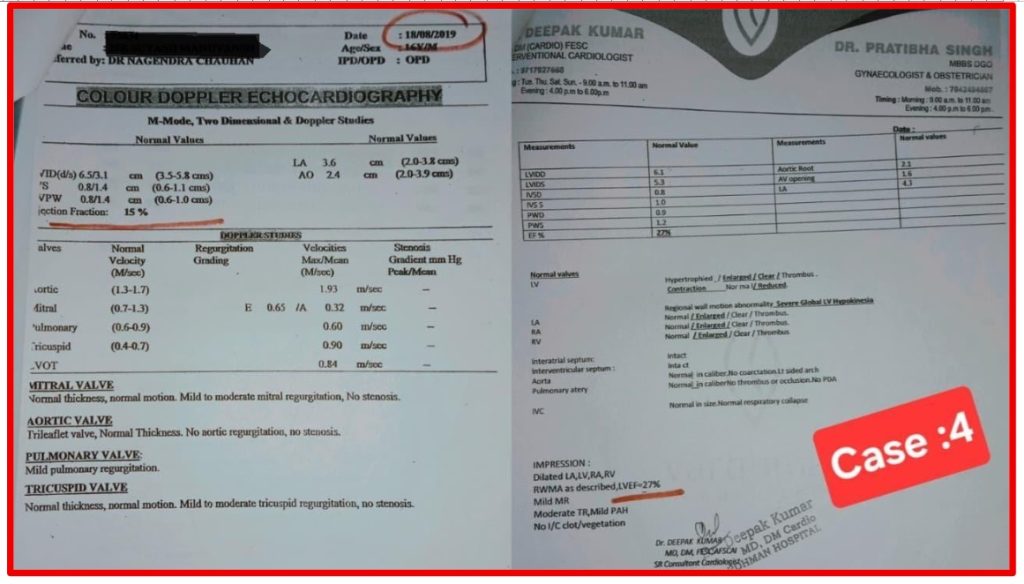
Case Number : 4 ( 2D – ECHO) (BEFORE & AFTER )
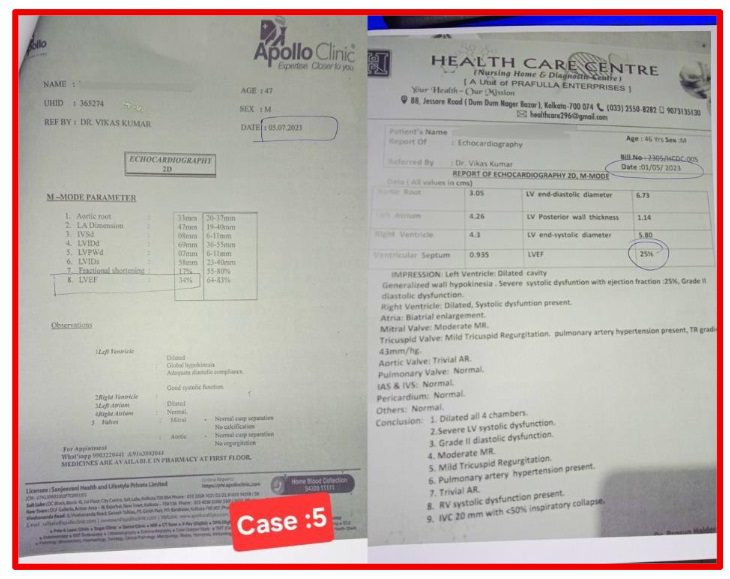
Case Number : 5 ( 2D – ECHO) (BEFORE & AFTER )
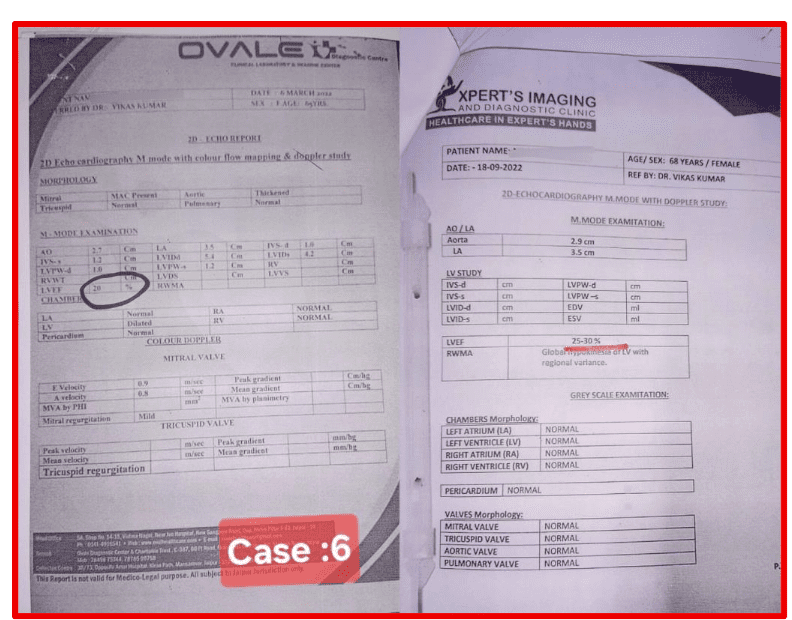
Case Number : 6 ( 2D – ECHO) (BEFORE & AFTER )
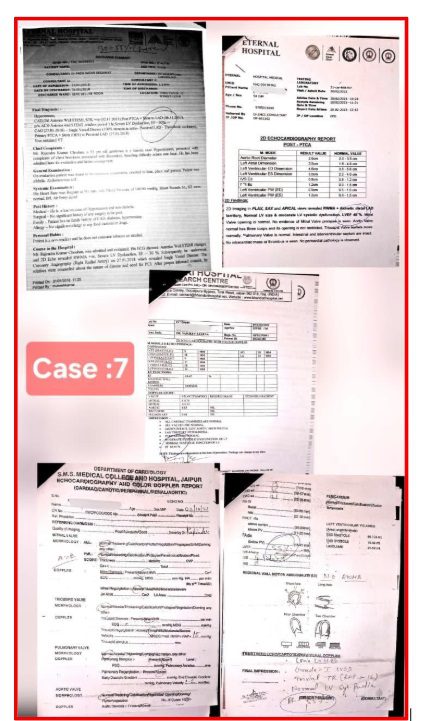
Case Number : 7 ( 2D – ECHO) (BEFORE & AFTER )
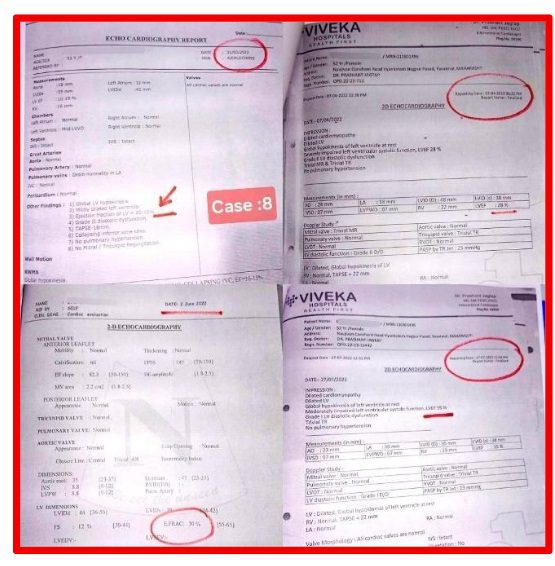
Case Number : 8 ( 2D – ECHO) (BEFORE & AFTER )
………………………………………………………………………………………………………………..
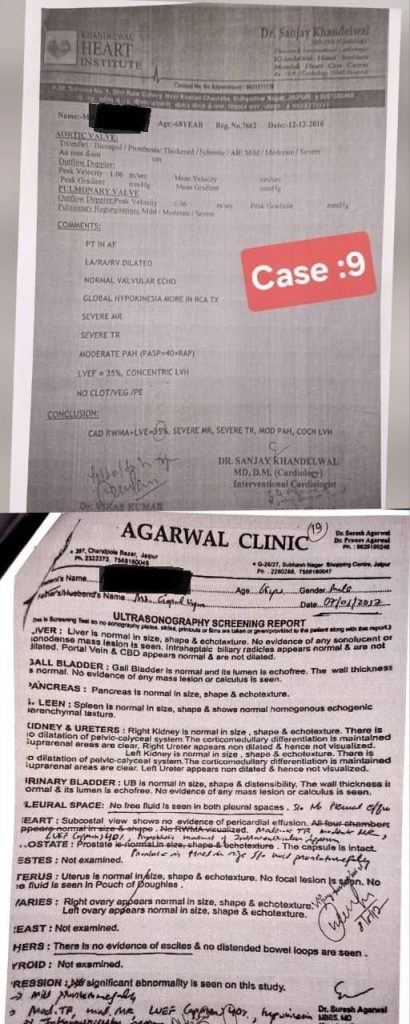
Case Number : 9 ( 2D – ECHO) (BEFORE & AFTER )
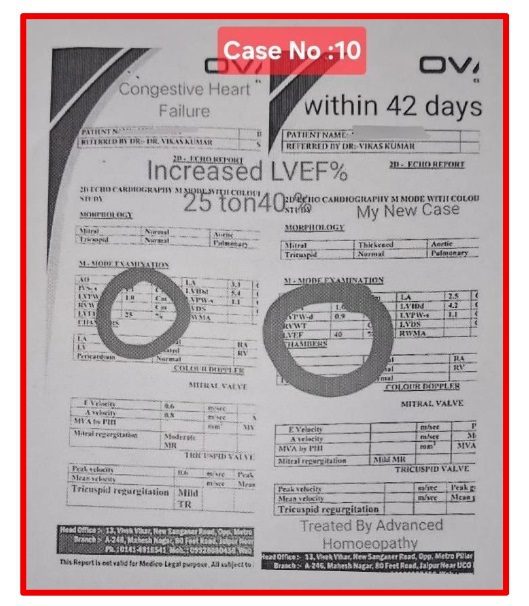
Case Number : 10 ( 2D – ECHO) (BEFORE & AFTER )
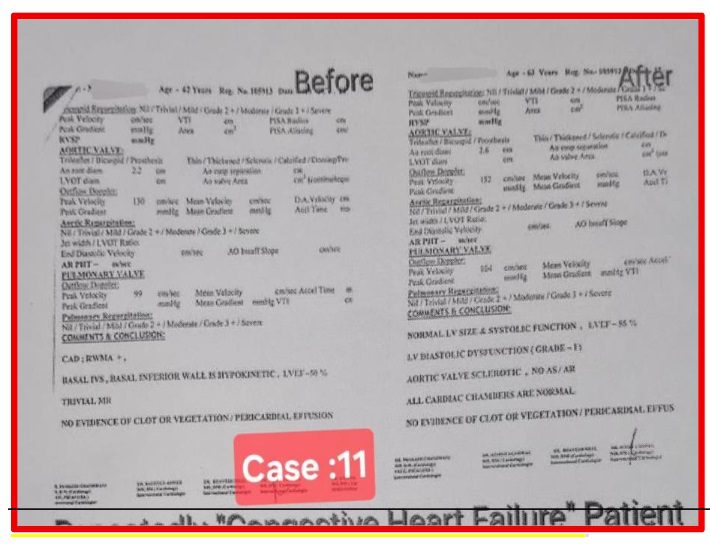
Case Number : 11 ( 2D – ECHO) (BEFORE & AFTER )
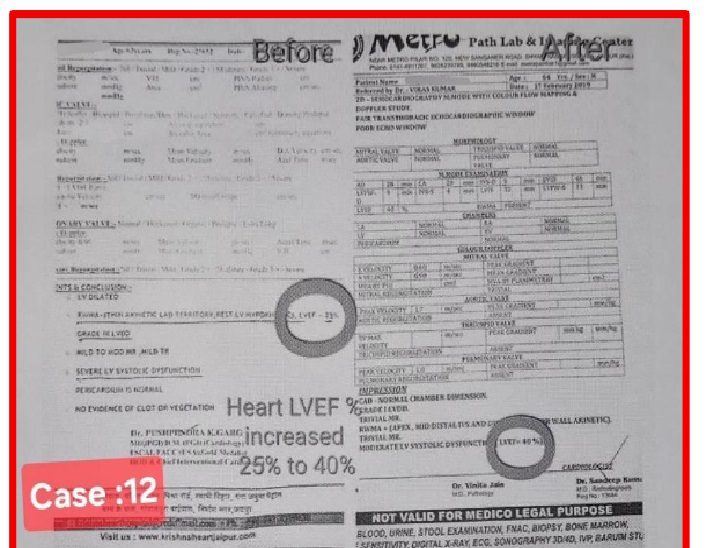
Case Number : 12 ( 2D – ECHO) (BEFORE & AFTER )
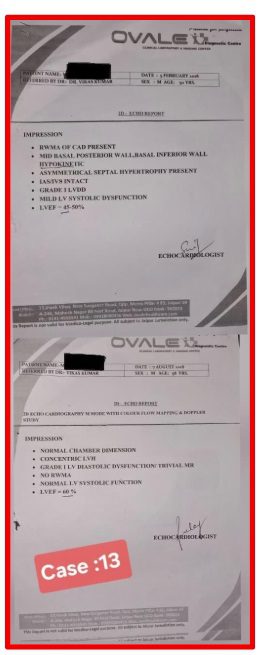
Case Number : 13 ( 2D – ECHO) (BEFORE & AFTER )
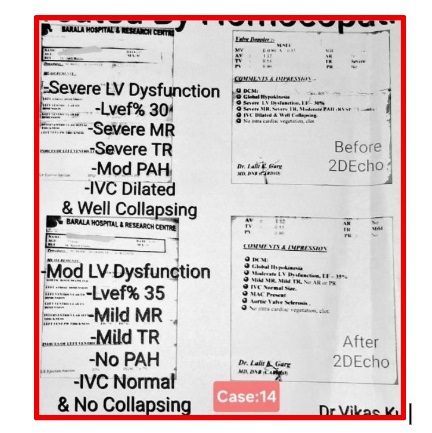
Case Number : 14 ( 2D – ECHO) (BEFORE & AFTER )
……………………………………………………………………………………………………
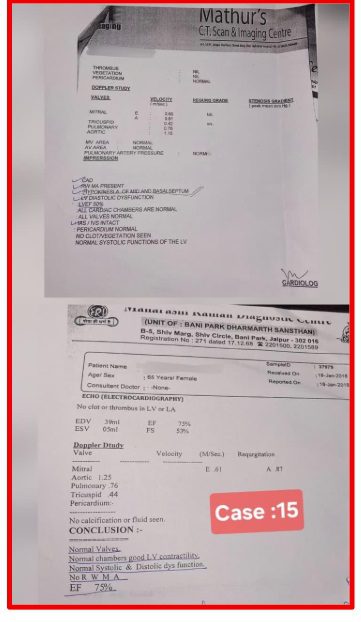
Case Number : 15 ( 2D – ECHO) (BEFORE & AFTER )
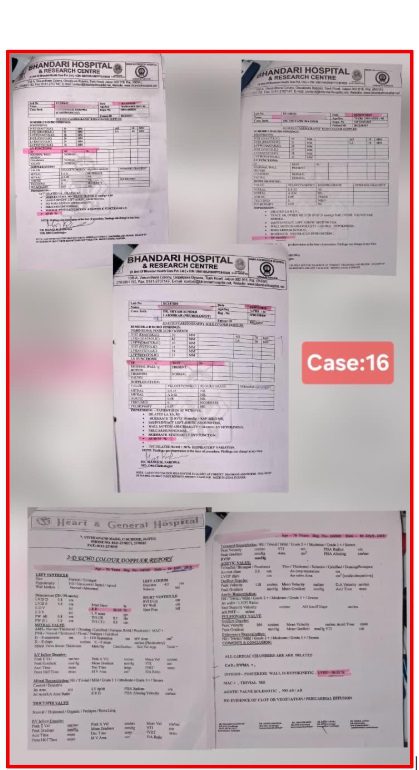
Case Number : 16 ( 2D – ECHO) (BEFORE & AFTER )
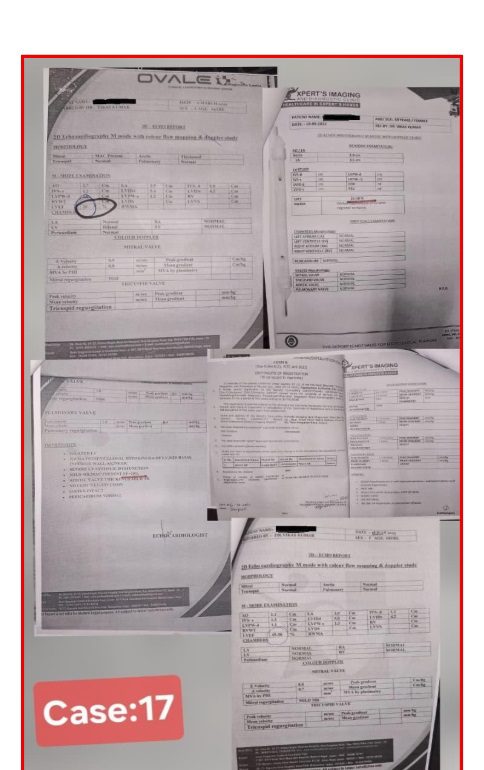
Case Number : 17 ( 2D – ECHO) (BEFORE & AFTER )
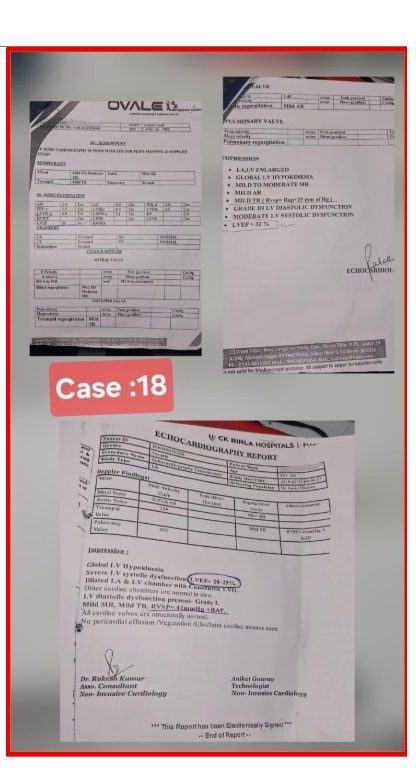
Case Number : 18 ( 2D – ECHO) (BEFORE & AFTER )
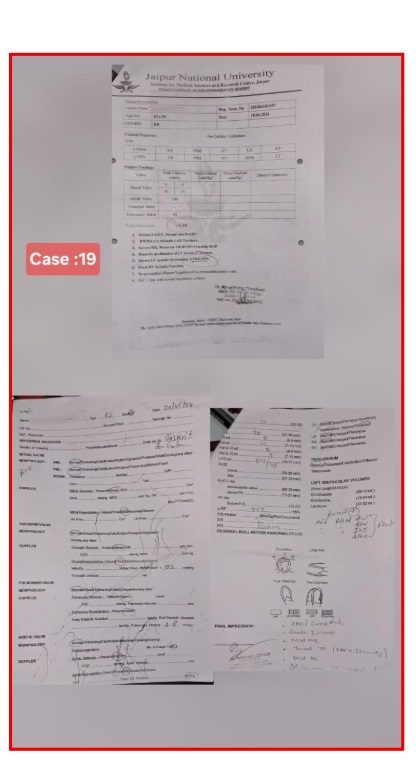
Case Number : 19 ( 2D – ECHO) (BEFORE & AFTER )
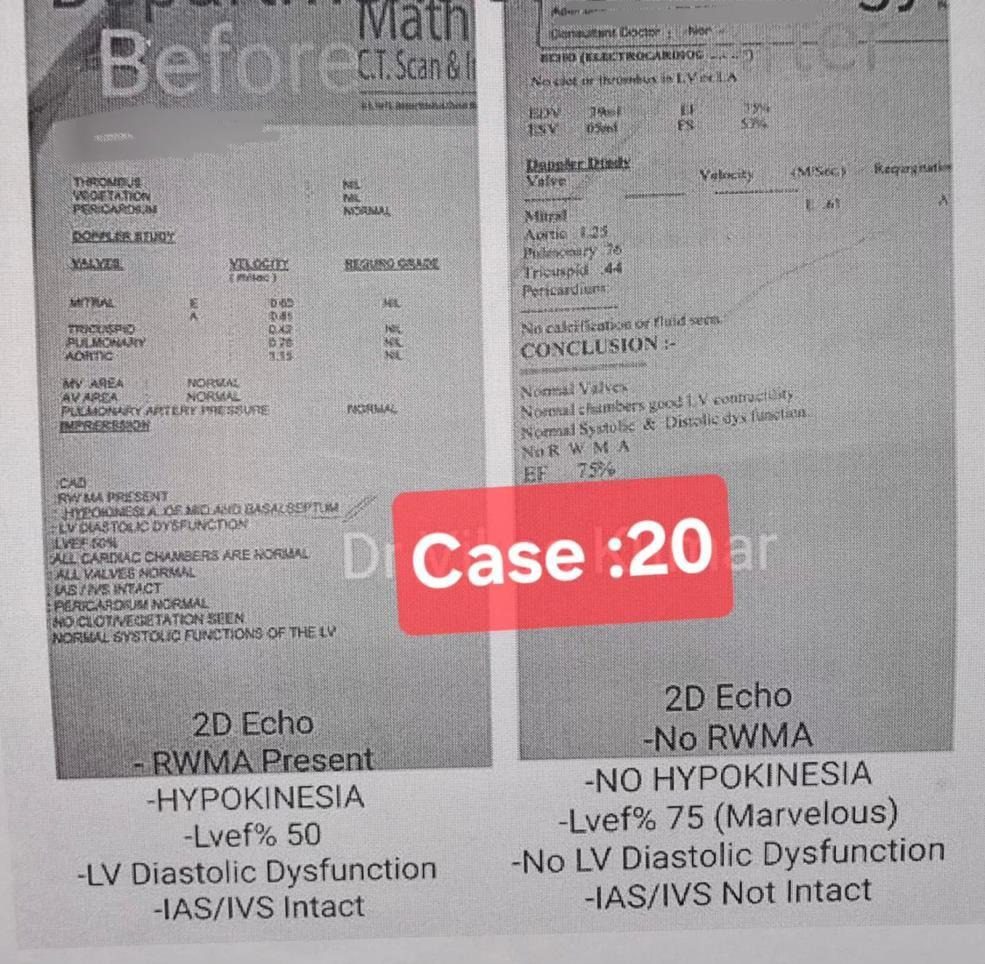
Case Number : 20 ( 2D – ECHO) (BEFORE & AFTER )
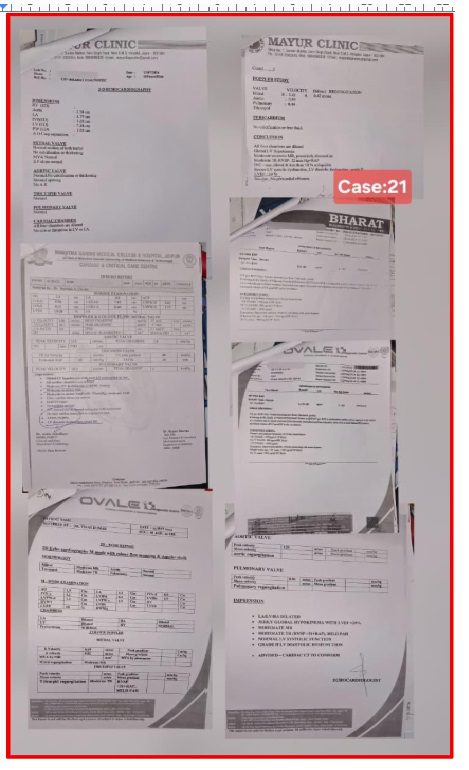
Case Number : 21 ( 2D – ECHO) (BEFORE & AFTER )
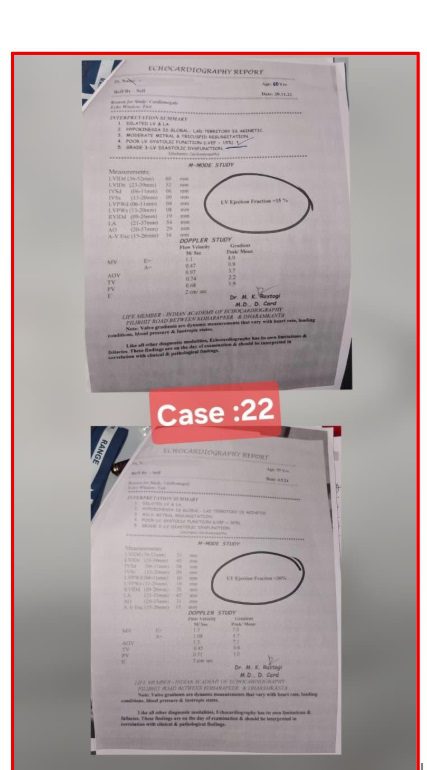
Case Number : 22 ( 2D – ECHO) (BEFORE & AFTER )
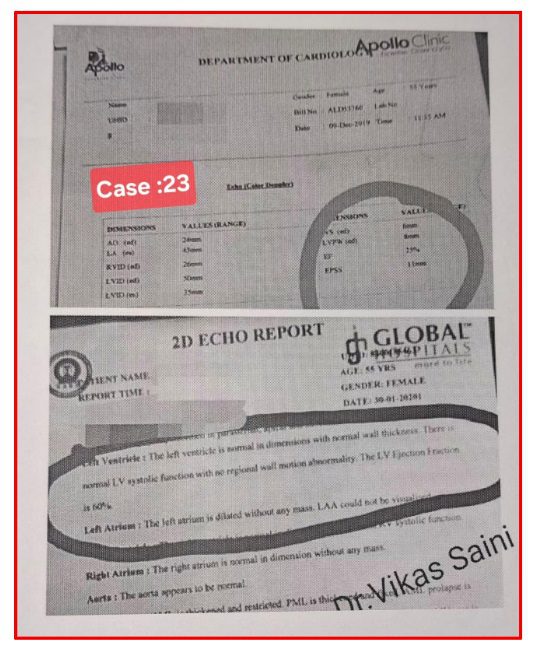
Case Number : 23 ( 2D – ECHO) (BEFORE & AFTER )
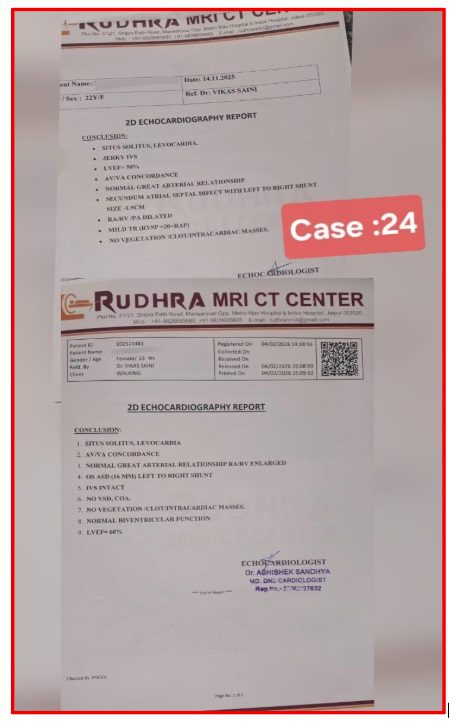
Case Number : 24 ( 2D – ECHO) (BEFORE & AFTER )
About the Author:
DR. VIKAS SAINI
Homoeopathic General Physician, HealthCare Administrator, Health Consultant, Dietitian, Columnist, Author.